











Cold emails, event appearances, and aggressive sales teams are all strategies that businesses use to attract clients. But up to 80% of B2B buyers start their research on Google, and 70% return to the platform at least three times before deciding (National Research Group).
Further, the average prospect has already completed 61% of their buyer journey before they speak to a salesperson. They ask Google to recommend services, research those services, check reviews, and take around 12 weeks to decide.
So, if you're relying on ads or salespeople to do the talking for you, you're not even in the conversation.
In this guide, we'll look at why B2B buyers start their research on Google, how search behaviour influences purchasing decisions, and what businesses can do to attract and convert buyers throughout the decision-making process.
TL;DR
Google is central to B2B purchasing: Up to 80% of B2B buyers begin their research on Google, often researching suppliers long before contacting sales teams.
Buyers want independence: They use Google to understand problems, compare solutions, check reviews, and assess risks before deciding.
Multiple stakeholders influence purchases: B2B buying decisions involve different departments, each searching for information relevant to their priorities.
AI is changing the research process: Google AI Overviews and AI Mode help buyers compare solutions faster, making SEO, AEO, and GEO increasingly important for visibility.
Visibility alone isn't enough: Businesses need credible content, clear positioning, straightforward website experiences, and strong trust signals to convert research into enquiries.
Focus on qualified leads, not just rankings: Effective B2B SEO should attract the right decision-makers and generate measurable commercial opportunities.
The B2B Buyer Journey Has Changed
The B2B buying process used to be linear. People would look for solutions, talk to sales teams, and decide whether to invest in one. But today's business buyers are tech-savvy and reliant on digital platforms.
And that's where a lot of businesses go wrong: they're following sales and marketing tactics that are outdated and geared towards a different type of buyer.
Research from Forrester shows that up to 71% of all B2B buyers are Millennials and Gen Z. These people want convenience, instant information, and autonomy when making decisions.
Plus, most grew up in a digitally-focused world, which means the internet is often their first port of call when looking for information, products, and services.
1: Buyers Don't Just Want Solutions
Today's B2B buyers aren't just looking for a solution; they want to understand what's causing the problem in the first place. Rewind to over 30 years ago, and the quickest way to get advice was to contact a professional.
For example, if a company struggled with a dip in leads and client relationships, they'd have to reach out to a consultant or research company to diagnose the issue.
Today, a simple Google search can provide information, while the platform's AI Mode enables businesses to assess and diagnose the root cause themselves.
Then, if they require more input, they call a professional.
Put simply, this means fewer opportunities to turn general enquiries into qualified leads, because the point at which B2B buyers enter the consideration stage has changed dramatically.
2: Google Simplifies the Research Process
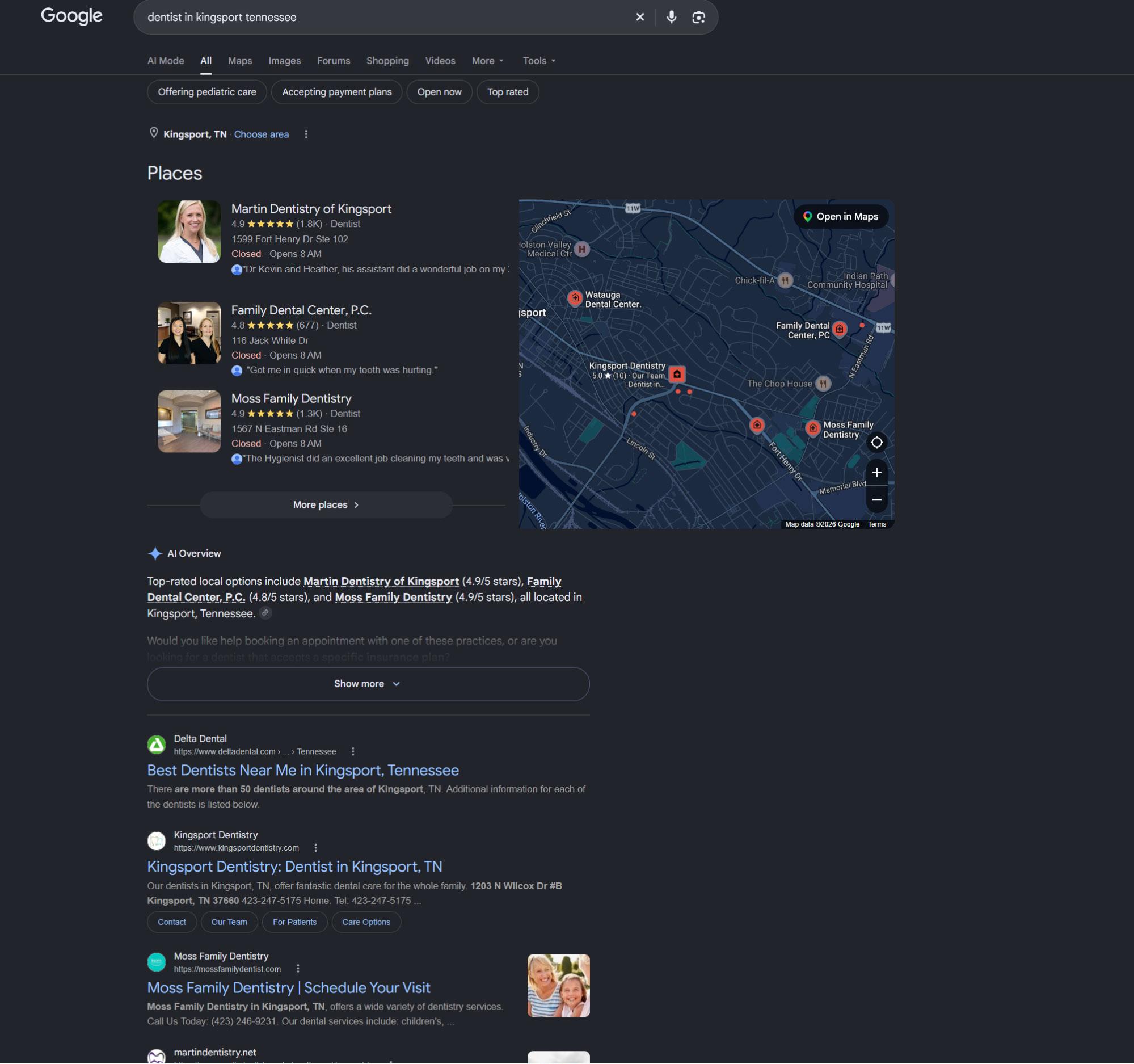
Once a business knows its problem and how to fix it, the research process begins. Again, Google makes this easier, because they can type in a query and view the results:

Today, Google AI Overviews and AI Mode simplify research and comparisons even more, as users can type in niche queries and get a clear comparison.
For example, if they see a blog post comparing different project management tools, they can then access Google's AI Mode and ask, "Is ClickUp, Trello, or Asana best for a small business that works with multiple contractors and freelancers?"
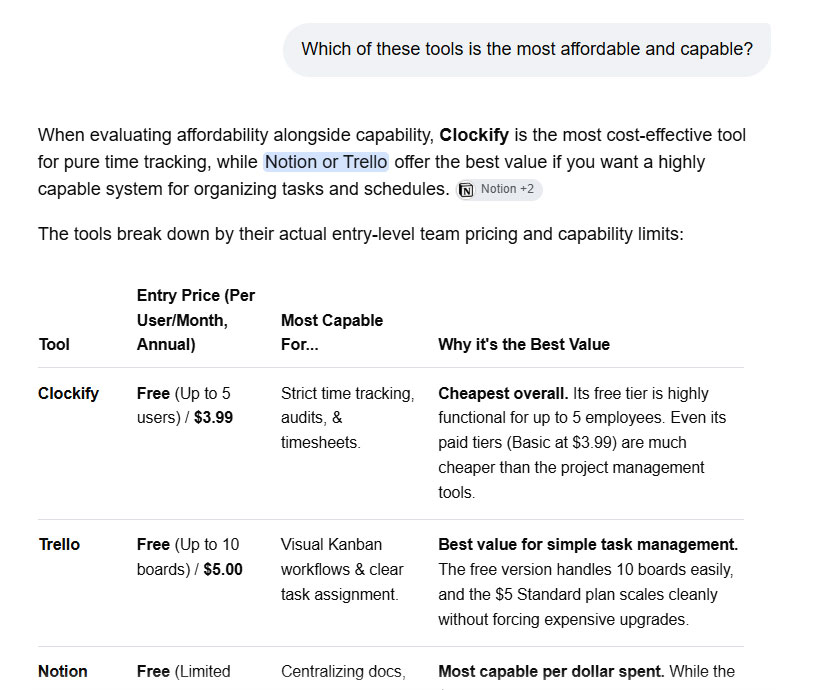
What happens then? The business will usually click through to the different websites and do further research. This process can take anything from a few hours to weeks. After that, the business might decide to reach out to a sales team for a free demo or more information.
3: Independent Research
Many B2B buyers prefer to do their own research before starting a sales conversation. Independent research lets people evaluate products and services and form their own opinions. This includes assessing the different tiers, reading reviews, and comparing different vendor websites.
Pushy sales teams can put prospective clients off when they're not ready to make buying decisions, while Google offers an unbiased perspective.
Once a prospective buyer is in the consideration stage, they want to learn more. According to McKinsey, 64% of B2B decision makers still want a human conversation - but this is when they're actively exploring a vendor or if the transaction is complex.
4: Risk Reduction
Word-of-mouth referrals are still one of the largest sources of income for companies, but the process has changed.
Today, when someone receives a recommendation, they don't just go to the company's website and contact them; they consider potential risks and use search engines to learn more.
B2B buying decisions also require a longer evaluation process because the stakes are higher.
Imagine a growing Ecommerce store looking for a reliable courier. They attend a trade show and receive a recommendation for "X" company. So they head to the website and look at the courier's pricing, case studies, and other information.
Everything seems positive, but they want to learn more. The next port of call is Google and independent review sites to see whether the courier is reputable. Then they use an AI tool to compare X courier with Y courier before deciding.

Google isn't just an informational channel; it's a verification process.
5: B2B Buying Decisions Aren't Limited to One Person
A typical B2C purchase involves one person or a small group with the same goal. B2B purchases are more complex because multiple stakeholders search for different information.
Marketing teams focus on a SaaS solution's reporting and automation features, while IT teams want to know it's secure and compliant. Management focuses on the tool's costs vs benefits and whether it will deliver ROI.
Businesses that create high-quality content for each decision-maker have a better chance of appealing to each use case and simplifying the consideration-to-transaction stages.
Google Supports Every Stage of the Buying Cycle
The B2B buying journey is rarely a linear process. It's a lengthy decision that involves multiple steps and weeks in between, moving through each point in the funnel.
So, whether you're a financial services firm, have a SaaS product, or operate in the professional services sector, SEO is central to reaching the right audiences at the right time.
Improving your visibility on Google and in AI-generated answers should be a priority.
Standard Google searches fall into four categories:
Informational: When someone is seeking information or has a question.
Commercial: The user is in the evaluation process.
Transactional: They're ready to make a decision.
Navigational: They're looking for a specific company or page.
Understanding intent signals means that you can create content that covers each stage of the buyer journey. But AI-generated summaries have changed the journey somewhat.
AI Overviews
Google generates AI answers, which frequently appear for informational queries. This means a user might not even scroll through the results, as they can move straight into the commercial stage through AI.
For example, if someone asks Google, "How to manage employee time better", it generates an AI overview that also includes recommendations.
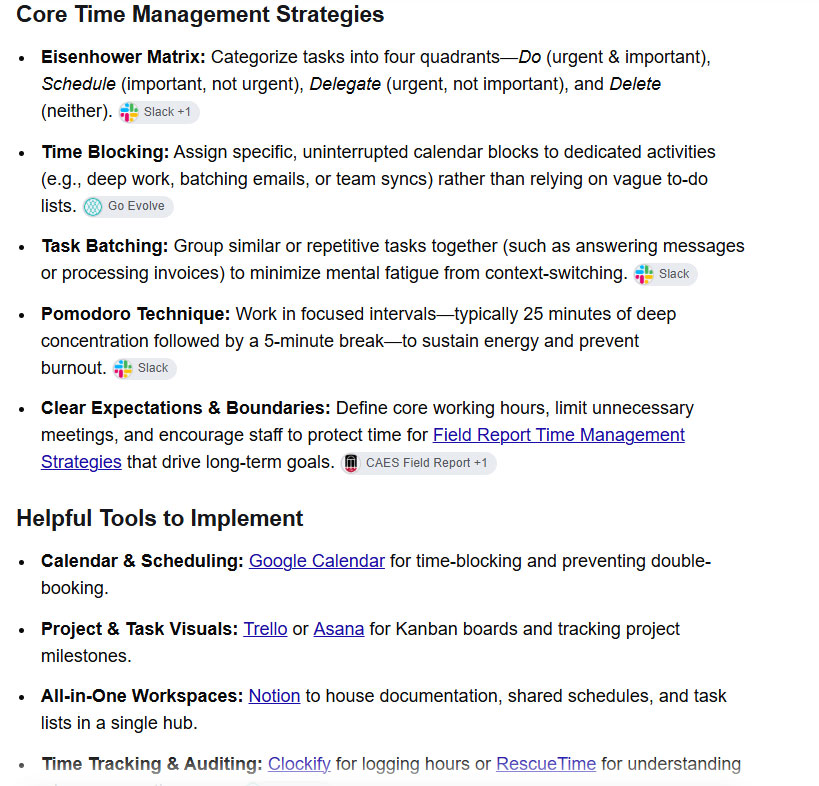
Instead of reading comparison guides, the decision maker might ask:
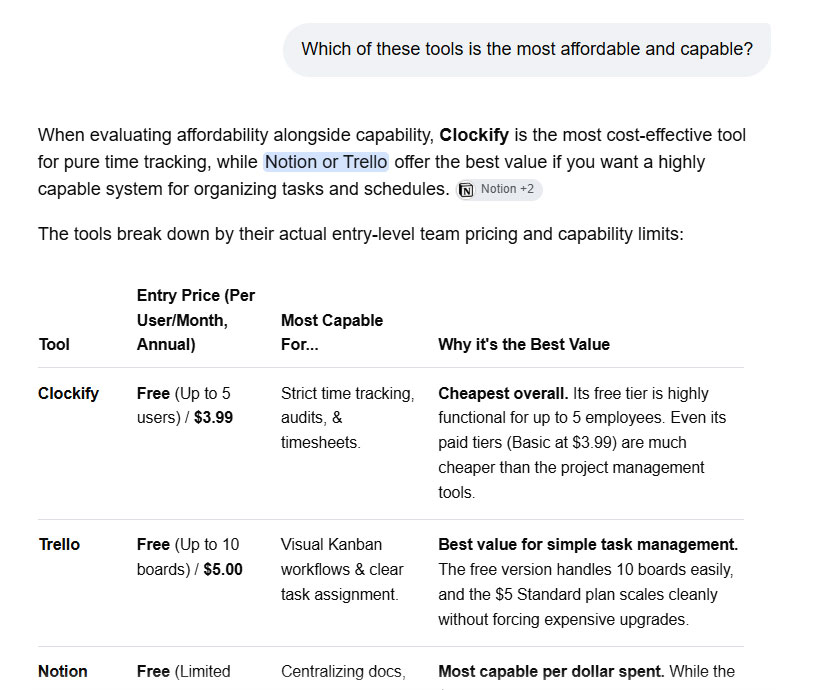
Even if a newer tool is more affordable than Clockify and has extra features, the buyer may not even know it exists.
This is why both SEO (Search Engine Optimisation), AEO (Answer Engine Optimisation), and GEO (Generative Engine Optimisation) are vital components of your marketing strategy.
Strategies to Increase Your Digital Presence
1: Focus On What Potential Buyers Are Searching For
It's no longer about finding keywords with high search volume and low competition; the terms you choose should align with purchasing research. This includes long-tail terms for niche audiences, the questions they might ask AI models, and how they evaluate each vendor.
Once you have this information, you can create quality content that aligns with each stage of the journey.
2: Focus on Credibility and Expertise
Generic claims such as industry leadership or innovative features almost always meet scepticism in the B2B world. Prospective clients and buyers value genuine expertise such as technical insights and an understanding of the problems they're facing.
Credibility shouldn't just come from testimonials and case studies. Google reviews are verified third-party testimonials, and they can bridge trust gaps. Instead of just saying what you achieved, you have advocates that are actively championing your product/service.
3: Simplify the Sales Process
A decision maker might be actively searching for your solution, but they'll go to your website to verify what you can deliver.
Confusing sites with poor information architecture and no clear positioning turn what should have been a simple process into a complex fact-finding mission. And let's face it: most companies will click away if they don't instantly see the use case and value from your website.
Simple things like clear price breakdowns, prominent CTAs, and transparency can move buyers through the sales process much quicker.
5: Measure Leads, Not Just Rankings
You're showing up in the right searches and are attracting website traffic...but is that traffic turning into sales conversations and purchases? Keyword rankings and organic traffic give you an idea that your strategy is having an impact, but they don't mean it's meeting KPIs.
Measuring qualified leads and actions gives you a more realistic overview of what you might need to change.
Is AI-Powered Search Eliminating Google?
It's a common concern, and the straight answer is no, AI isn't eliminating Google. But it is changing how people search for, review, and choose B2B vendors. Google has updated its platform to facilitate AI searches, which means optimisation is still a vital strategy.
When you understand how B2B buyers search, compare, and decide, you can address each stage of the decision-making process and show up in the right conversations at the right moment.
Assertive specialises in tailored B2B SEO and GEO strategies, delivering measurable growth through strategic optimisation. Please contact us today for a free discovery call.
FAQs
Why does Google visibility matter for B2B lead generation?
Google doesn't just help you attract website visitors; it also holds commercial value. B2B buyers today use Google to conduct independent research before contacting sales teams.
This is why everything from your content marketing strategy and Google Business Profile to your AI visibility matters. If you're not visible to search engines, you'll struggle to attract website visitors and won't make the company's shortlist.
What type of content do B2B buyers look for when researching suppliers?
It depends on what stage the B2B buyer is in. Informational content includes guides, independent research, whitepapers, and webinars, while commercial content should include case studies, use cases, videos, and any content that helps prospective buyers decide.
Lastly, there should be clear calls to action and accessible sales conversations that turn into conversions.
Why are AI citations important for B2B visibility?
While search engines are still a starting point for B2B decision-making, AI tools like LLMs and Google AI Overviews are now featured in the process. If AI systems don't cite your brand, you're missing out on highly qualified leads.