









Search intent, or user intent, is simply the reason behind a search. Let’s say we have two people on a B2B SaaS website. One arrived by typing “what is CRM” into Google, and the other typed “Salesforce alternatives". Both count as organic traffic, but they come with totally different intents, and one of them is much more qualified and far more likely to make a transaction, or in other words, convert.
The reason is they’re at completely different sections of the buyer’s journey. Someone typing “what is” sits at the top of the funnel, a long way from converting, since they’re still learning the basics. The person typing “Salesforce alternatives” already knows the category, knows the competitors, and is comparing options with a purchase in mind. To put some numbers on this, alternatives and comparison keywords like “SEO Stack vs Google Search Console” convert at an average of 8.43%, while typical top-of-funnel blog posts on topics such as "What is human resource management?" convert at 1% or less.
That’s the whole basis of how search intent impacts SaaS conversions. What a searcher types into a search engine shows you the type of visitor you’re dealing with, where they sit in the buying process, what they expect to find, and what they’re ready to do next.
TLDR
Search intent predicts SaaS businesses' revenue better than organic traffic volume.
Alternatives keywords such as “Salesforce alternatives” convert at 8.43%, while top-of-funnel informational posts convert at 1% or less.
Branded navigational searches convert at 15% to 25%, the highest rate of any intent type.
Commercial keywords convert between 2.4% and 8.4%. Category terms convert at 4.85%, head-to-head comparisons at 5.45%, and alternatives at 8.43%.
Transactional traffic converts at 4% to 10% on self-serve trial pages and 2% to 5% on pricing pages.
Product sandboxes raise time on page by 340% and conversions by 2.8 times.
Developer documentation converts at 5 to 12 times the rate of educational posts.
Desktop traffic converts at 3.4% against 2.0% on mobile, and desktop visitors stay twice as long.
AI search sends fewer visitors but stronger buyers, with AI Overview traffic converting at 2.6% against 1.7% for standard organic.
Paid non-brand keywords cost about $207 per lead. Organic relevant pages built around intent capture the same buyers without per-click spend.
Trial friction filters intent. No-card trials convert 7.6% to 8.5% of visitors but only 17% to 18% to paid. Card-required trials convert 2.2% to 2.7% of visitors and about 49% to paid.
Freemium converts 12.8% to 14.1% of visitors to signups but only 3.4% to 3.7% to paid plans.
How the Four Types of Search Intent Influence Conversions
We can understand search intent a lot better by sorting search queries into four distinct groups.
Informational Intent
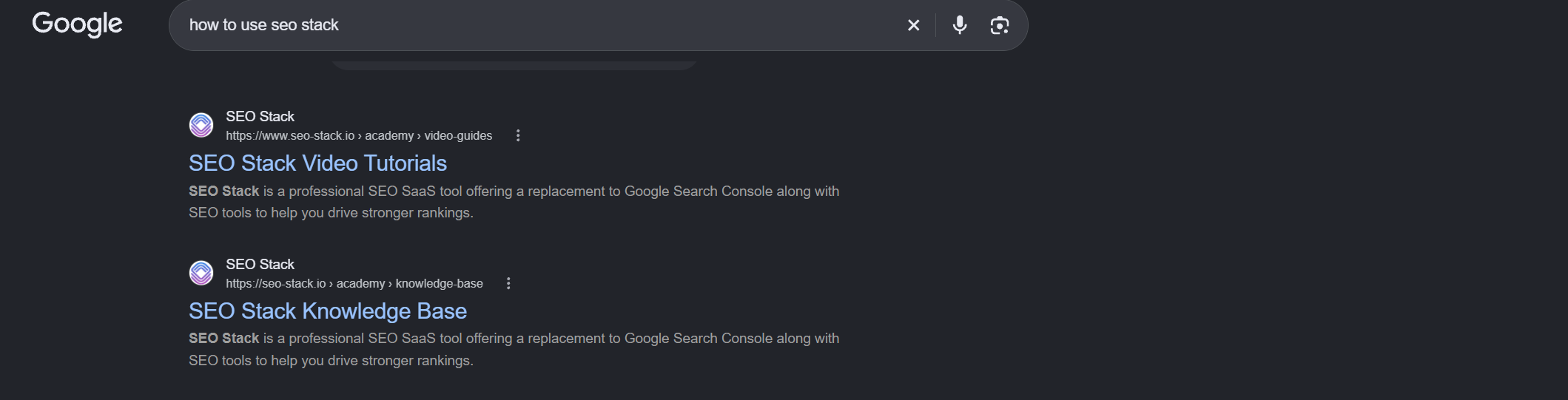
Informational searches, like "How to write a standup update” or “What is Google Search Console?", come from people who want to understand a subject, fix an immediate problem, or learn how to do a specific task. These searches are great for introducing your brand to people who might need your software down the road, but at the same time, they bring in visitors who’ll never become customers, because their needs have nothing to do with buying a product. Some of them are students looking for material for a research paper, for example. And this is why typical blog posts targeting these high-volume informational keywords generally convert at 1% or less.
Since most of these visitors aren’t ready to buy, and the queries are so broad, the first conversion goal might be a template download or a visit to a relevant product tutorial. If we ask every informational visitor to book a sales demo right away, we add far too much friction at this point.
Navigational Intent
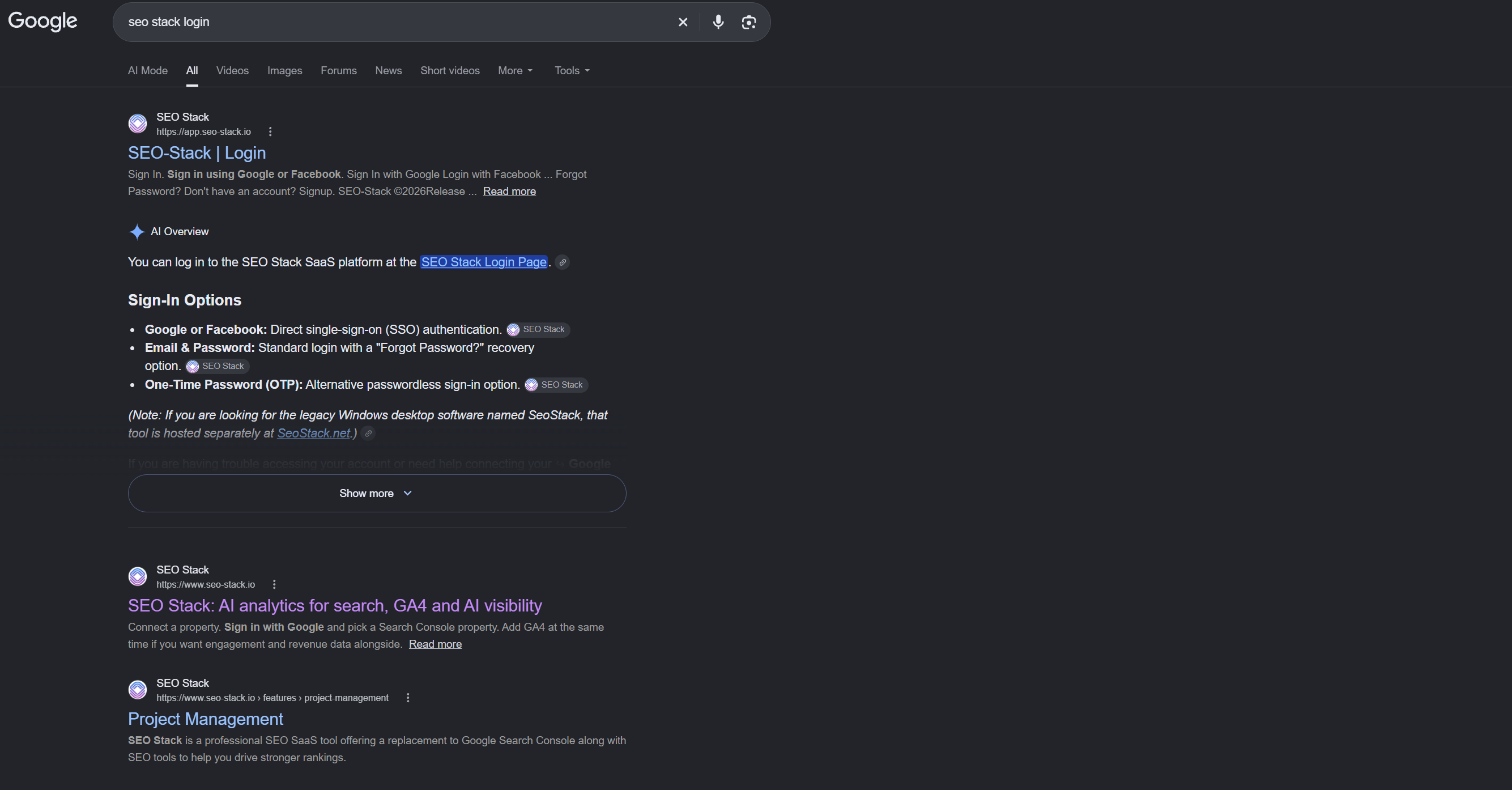
Navigational searches happen when people are actively trying to reach a particular company, product, or page. They already know the brand, so their expectations are highly specific right from the start.
For instance, someone searching for exact pricing for a specific tier needs to land directly on the pricing page to get that clear information immediately, and sending this visitor to a generic blog post creates a frustrating and completely unnecessary detour.
We always want to make the right destination easy to find with a very clear next step, and since these people already know us and know exactly what they want, branded navigational search actually converts at 15% to 25%. That is the highest rate across the whole conversion spectrum. The reason we really need to exercise caution when it comes to tracking returns from this data is that a branded search does not automatically indicate a brand new sales opportunity. Existing customers often run navigational searches just to find support documentation or get into their account portals, so the conversion tracking needs to separate those routine visits from new signups to give us an accurate picture of new demand.
Commercial Intent
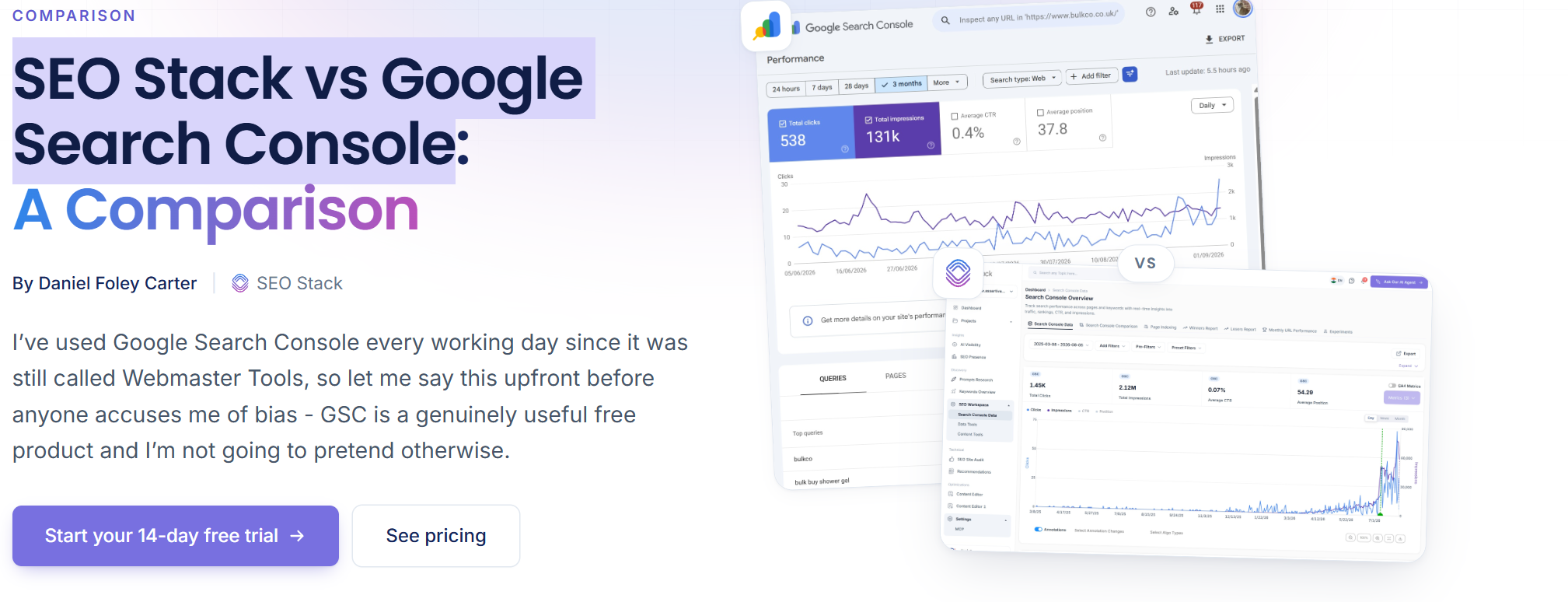
Then we move into commercial investigation, which happens when people are actively researching a purchase. They are comparing tools, hunting for direct alternatives, or checking whether a product fits the specific needs of their industry. This is exactly where dedicated comparison pages, category pages, and use case landing pages make a massive difference because these visitors want detail. They want to know about features, pricing, integrations, and limitations, and they need to see the situations each product suits best. The more directly our pages answer those needs, the easier the buying decision gets for the visitor.
The conversion numbers here usually sit in the range of roughly 2.4% to 8.4%. Breaking that down, category keywords such as "best accounting software" convert at 4.85%, while keywords comparing two specific tools like "Salesforce versus Pipedrive" do a little better at 5.45%. Alternatives keywords like "Salesforce alternatives" really lead the pack at 8.43%. Interestingly, once you add a layer of specificity to a category keyword such as "accounting software for small businesses", the rate drops to 2.77%, and keywords built around specific jobs to be done, like "how to run standups in Slack", come in at 2.44%.
Transactional Intent
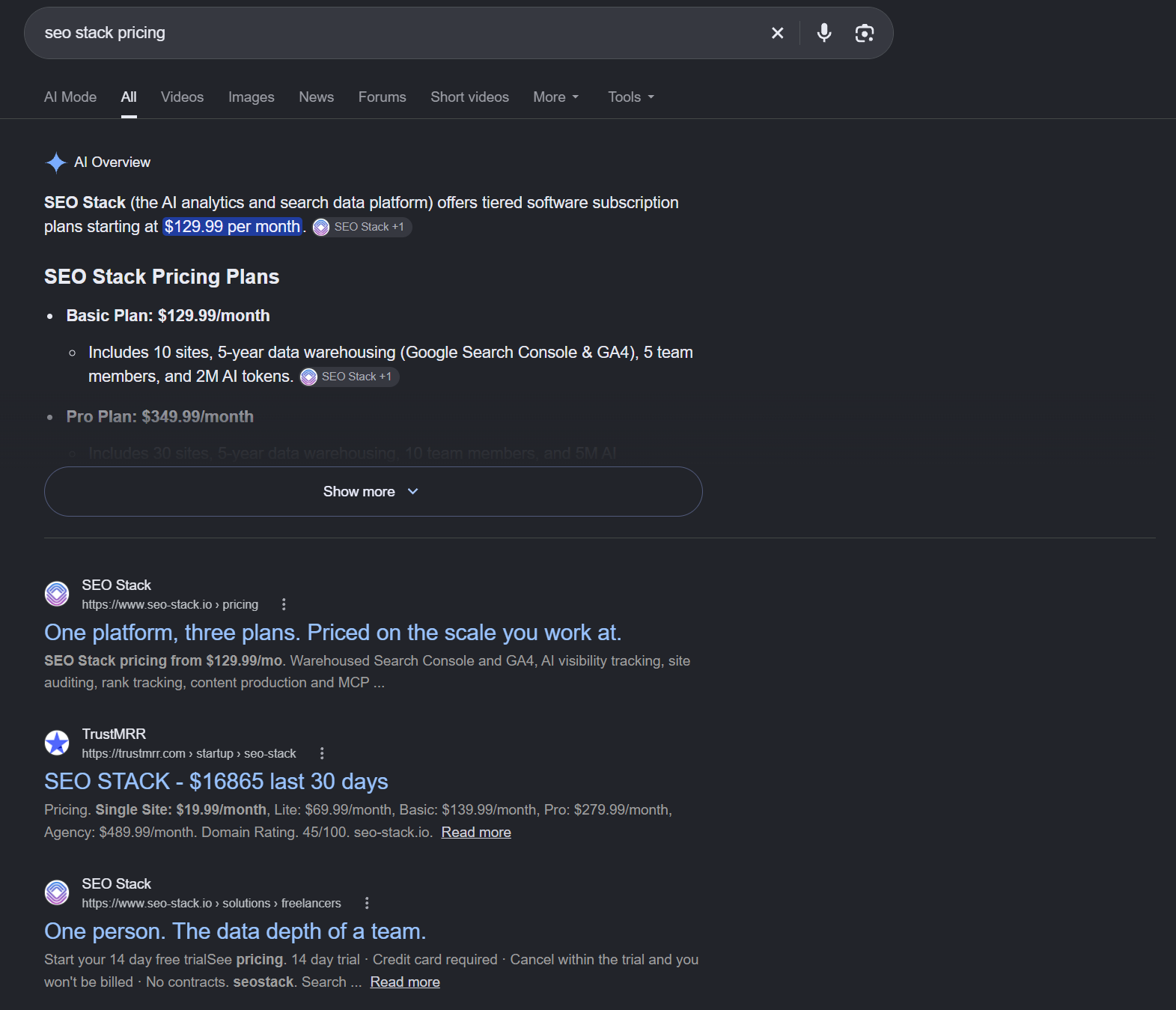
Finally, transactional searches signal that a buyer is completely ready to take a specific and measurable action. We see this with searches like "SEO Stack Pricing" or "buy subscription management software", where the visitors are much closer to a final buying decision.
They should be able to move toward the action we want without navigating through any unnecessary steps. In practice, this means offering clear pricing, a straightforward signup process, and a plain explanation of anything that might be complicated about our billing, contract terms, or setup.
Self-serve trial pages capture this intent incredibly well by converting at rates between 4% and 10%, and dedicated pricing pages usually convert transactional searchers at 2% to 5%.
Matching Landing Pages to Search Intent Raises Conversion Rates
Search intent is just the first step that brings the target audience to your page. But how your landing page is built decides your chances of converting them. That means everything from your call to action to your messaging should perfectly match what that person wants to do.
A strong SaaS SEO strategy looks at the exact job the searcher came to do and builds a dedicated single page around that job. Any mismatch here creates immediate friction. For example, asking someone who just searched for a basic definition to book a 30 minute sales demo pushes them away instantly. On the flip side, offering a highly motivated commercial searcher a generic blog subscription just completely wastes their readiness to buy.
So your messaging has to line up with what the searcher was looking for. In one case, a dedicated comparison page built for a specific competitor search raised signups by 54%. In another, competitor keywords sent to a generic homepage converted at 1.1%, while the exact same keywords sent to dedicated comparison pages converted at 4.8%. Same searches, same intent, and more than 4 times the conversions, all because the page matched what people were looking for.
Product Sandboxes And Technical Content Convert Better Than Educational Posts
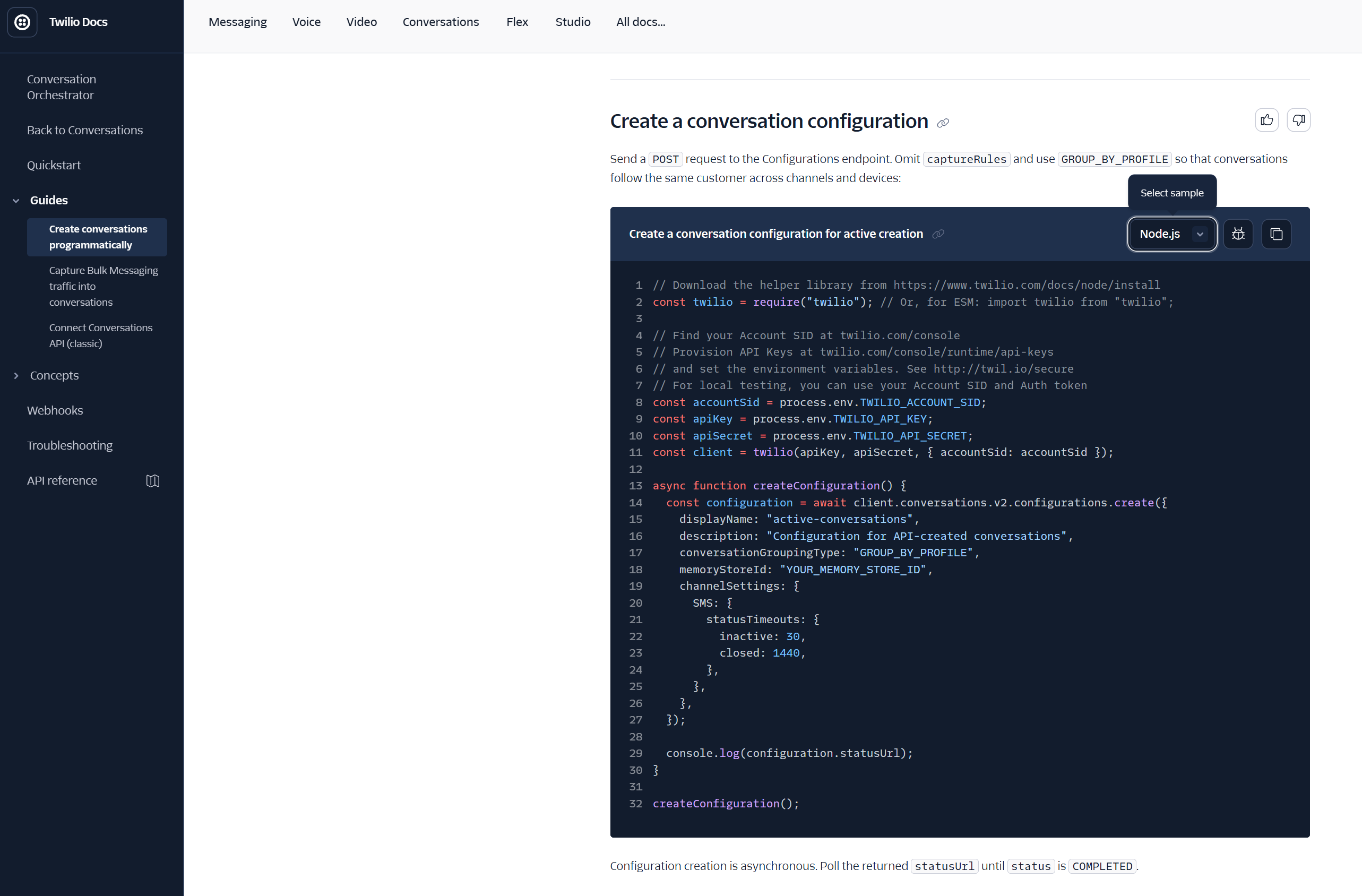
Just adding lightweight product sandboxes to your commercial web pages increases the time people spend there by 340% and lifts baseline conversion rates by 2.8 times. The reason is you're letting buyers experience the solution right away.
We see the exact same power with developer documentation, where pages written for technical buyers convert at 5 to 12 times the rate of standard educational posts. To put that into perspective, one enterprise software provider ran a massive content audit, aggressively pruned up to 70% of their surface-level educational content, and focused strictly on high-intent product evaluation. Their total organic sessions did drop by 13%. But the trade-off was completely worth it, because their qualified product demo conversions went up by 34%.
Another developer platform took a very similar route and built their entire organic entry strategy around technical tutorials and code guides. By doing that, they grew their organic marketing qualified leads by 350% and cut their customer acquisition costs by roughly 30% at the same time.
Desktop Searchers Convert Better On Complex SaaS Purchases
Conversion rates also depend on the device the searcher is using. Mobile devices dominates the web, but mostly for broad discovery. A manager riding the train home might run an informational search to learn about a new tool, but they’re unlikely to sign off on a complex B2B SaaS purchase on their phone, and they’d rather wait until they’re back at a desk with a bigger screen.
The numbers totally confirm this hardware bias. Desktop visitors spend an average of 4 minutes and 46 seconds on site and reach a 50.5% scroll depth, while mobile visitors spend just 2 minutes and 20 seconds and stop scrolling at 45.2%. And because evaluating complex software takes deep reading and technical comparisons, the same gap carries straight through to conversions. Desktop search traffic converts at an average of 3.4%, which is 70% higher than the 2.0% we see for mobile search traffic.
This means your site architecture and on-page SEO must provide incredibly rich multi-column comparison tables that are specifically designed for large desktop and laptop screens.
AI Search Filters Out Low-Intent Traffic and Sends Buyers Ready to Convert
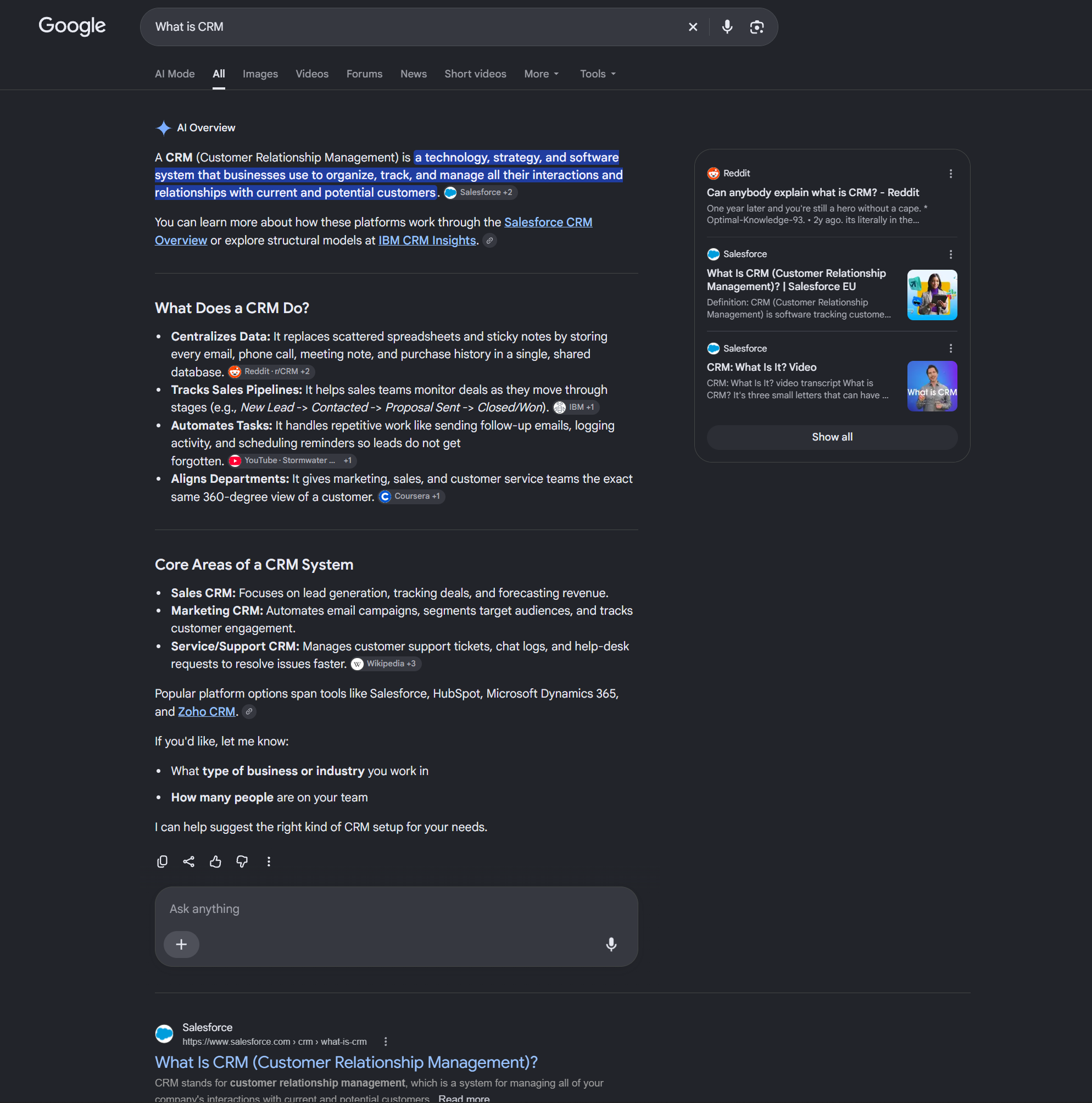
Generative AI is wiping out much of the top of the funnel by answering basic informational questions directly on the search engine results page, which is bad news for shallow, surface-level content. The result is a zero-click environment, where people get their answer without ever visiting the product pages which used to bring in this traffic. One major analysis found a 61% drop in organic click-through rates for queries that triggered an AI overview. Another broad study measured a 58% lower click-through rate for the number one position.
We can see this shift already impacting major companies. Just look at HubSpot as an example of the cost for a business built heavily on content marketing. Their organic traffic fell from an estimated 13.5 million in November 2024 to 8.6 million a month later, and their CEO Yamini Rangan noted in August 2025 that only 10% of HubSpot’s leads come from blog traffic.
This sounds scary for raw traffic numbers, but for conversions, the picture looks much better. What is happening is that AI platforms act as a highly powerful intent filter. They handle the preliminary research and remove passive evaluators entirely. So the users who ultimately click your citation links already possess deep problem awareness and a really high readiness to convert.
In fact, visitors arriving from Google AI Overviews convert to qualified leads at a baseline rate of 2.6%. That significantly beats the 1.7% conversion rate of standard Google organic search. Deep research AI engines show even stronger commercial intent. Referrals from Perplexity AI hit a 4.1% visitor-to-lead conversion rate and an incredible 19.8% lead-to-customer rate.
The big lesson here is to stop worrying about losing those low-intent informational searches. What you really want is to feed these AI engines your high intent commercial data so they explicitly recommend your product to serious buyers.
Trial Friction Reveals How Strong The Search Intent Is
The amount of friction you put on a trial decides which searchers make it through. Opt-in free trials that require no credit card achieve a really high initial visitor-to-lead conversion rate of 7.6% to 8.5%. However, those users only convert into paying subscribers at a rate of 17.3% to 18.2%. The total lack of friction just invites low intent browsers who only want to poke around.
On the other hand, opt out free trials that do require a credit card upfront see a much lower initial visitor-to-lead rate of just 2.2% to 2.7%. But because their search intent was strong enough to overcome that massive friction, those highly motivated users convert to paid plans at an incredible 48.8% to 49.1% rate.
We see very similar dynamics with the freemium software model. They capture a massive 12.8% to 14.1% visitor-to-signup rate. Unfortunately, they suffer from terrible free-to-paid conversion rates hovering between 3.4% and 3.7%. The reality is that those free users have no transactional intent because the free tier solves their problem indefinitely.
Organic Search Captures The Same High-Intent Buyers As Paid Search For Less
Paid search absolutely allows you to buy transactional intent on demand, but it comes at a very steep price. Non-brand B2B SaaS keywords convert at 2% to 5% and will cost you roughly 207 dollars per lead. Brand keywords perform much better, generating leads for about 34 dollars at a 15% to 25% conversion rate.
So what is the real takeaway here for SaaS Companies? The point is that while paid ads let you artificially skip the line and capture that bottom of the funnel intent right away, doing so burns through cash. But when you align your organic SEO strategy with user intent, you start capturing those exact same highly qualified buyers naturally. You build a sustainable pipeline that consistently brings in high-converting traffic without having to pay hundreds of dollars for every single click.
The Bottom Line on Search Intent
The intent behind a search predicts conversion success far better than search volume does. Commercial and transactional searches bring in most of the signups, trials, and qualified demos, which is where your SEO budget should go. They also produce better leads further down the sales funnel, and they hold on to far more of their clicks while AI answers absorb the low-value informational traffic. When your landing page, your call to action, and the technical path to signup all match perfectly with what the searcher came to do, your conversion rates will inevitably follow.
Turn Search Intent Into Signups With Assertive Media
Tired of traffic that never turns into customers? Assertive Media is an SEO agency specialising in search engine optimisation for SaaS. We will audit your current strategy, core web vitals, keyword strategy, locate the exact commercial and transactional searches your specific buyers are running, and build dedicated pages that match them perfectly. We also track the trials, demos, and pipeline that each of those pages brings in. Feel free to contact us today for a free audit of your SaaS website.