










Historically, most manufacturers built their business on trade shows and referral networks, and those channels definitely still hold a lot of value. They matter for closing deals and doing in-person product demos because, at the end of the day, you rarely seal a large contract until the client gets a real feel for the product.
But what's really shifted lately is buyer behaviour, specifically how these buyers handle that entire initial research phase.
B2B buyers now complete 69% of the purchase process before they even engage a seller. What's crazy is that 81% actually hold a preferred vendor in mind at first contact. They are doing heavy online research, and a massive 67% of them prefer a totally sales-rep-free buying experience altogether.
Because of that, your website really has to step up and do some useful sales work. If you rely only on an annual trade show booth, you are only reaching buyers maybe a few days out of the whole year, so the smart move is to combine both approaches.
Ultimately, what SEO for manufacturers does is get your company found online when an engineer, procurement manager, or technical buyer is looking for a supplier, a specific process, a part, or a material you provide.
TLDR
Industrial buyers finish most supplier research before contacting sales, so manufacturers missing from the search miss the shortlist.
Industrial buyers get through 69% of the buying process before they reach out to a sales rep.
The winning vendor sits on the day-one shortlist 95% of the time.
Manufacturing search engine optimisation goes after low-volume, high-value searches. We're talking capabilities, specifications, materials, applications, certifications, and part numbers.
Organic search delivers a lower cost per lead than paid advertising, averaging $415 per lead against $691 for paid search.
Half of engineers, 51%, skip paid ads and click organic listings instead.
The manufacturer’s buying cycle runs about 11.3 months
Plan on four months to a year before results show, and measure SEO success in qualified RFQs.
The basics come down to seven disciplines: keyword research, site structure, on-page SEO, technical SEO, content, link building, and international or local SEO.
What Manufacturing SEO Means
Manufacturing SEO is the practice of ranking a manufacturer's website for the searches buyers run when they source parts, processes, and suppliers. In practice, you line up your manufacturing website with the exact search queries buyers type when they're searching online.
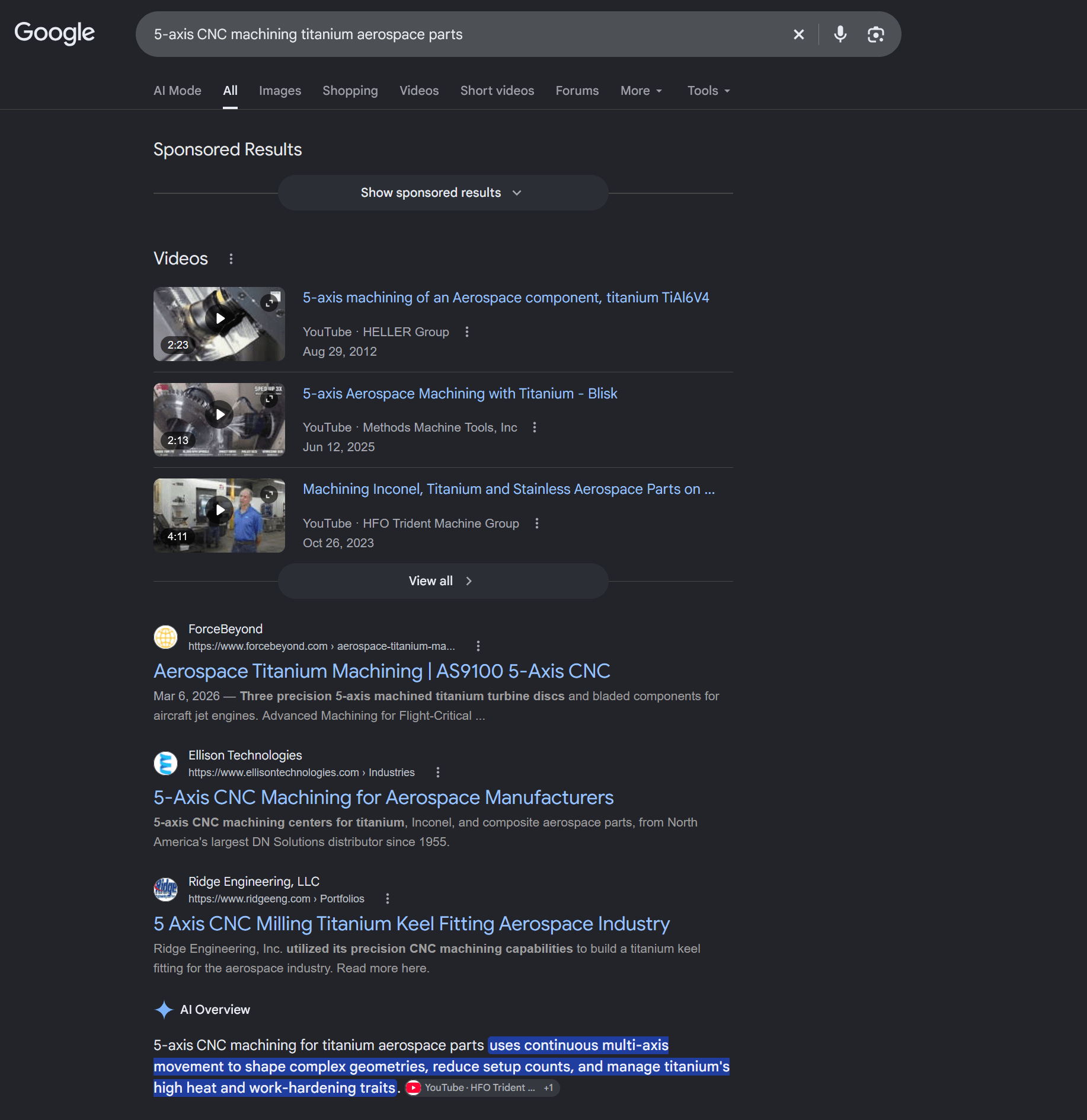
It’s all about extreme specificity. If you're a machine shop targeting precision tolerances, you wouldn't focus on broad marketing phrases. You optimise for niche keywords, something like "5-axis CNC machining titanium aerospace parts. " If you're a custom moulder, you're targeting "ISO 13485 medical injection moulding."
It is basically the digital equivalent of putting your manufacturing services right in front of a buyer the second an engineering challenge pops up.
How SEO Differs From Standard SEO
This is how B2B manufacturing SEO compares to consumer-facing SEO:
Dimension
B2C / Standard E-Commerce
B2B Manufacturing
Search Volume
Extremely high (thousands/millions per month)
Very low (often fewer than 50 searches per month for key terms), but deal values run exceptionally high.
Transaction Value
Low to moderate ($10 to $1,000)
Exceptionally high ($10,000 to multi-million dollar contracts)
Decision Makers
Typically 1 to 2 individuals
11 to 13 stakeholders across engineering, procurement, and operation; 89% of purchases crossing two or more departments
Sales Cycle Duration
Minutes to days
6 to 18 months (average of 272 days)
Primary Motivation
Emotion, immediate gratification, convenience
Your manufacturing buyer wants risk reduction, return on investment, and strict technical and regulatory compliance. They ignore generic promotional language and go hunting for raw specifications, tolerances, certifications, and material options.
Content Requirements
Emotional copy, lifestyle imagery, reviews
HTML spec tables, meaning the specifications written directly on the web page, plus CAD files, which are the computer design drawings engineers work from, ISO certifications, and material data.
Which Manufacturers Benefit From SEO
Pretty much any business in the manufacturing industry that sells complex products, specialised processes, or contract services to other commercial entities. That covers CNC machine shops, metal fabricators, injection moulders, industrial equipment OEMs, aerospace and defence suppliers, medical device makers, and chemical producers—the list goes on. Even if you sell primarily through distributors, you still gain a lot, because engineers who find your brand through organic search will actually ask their distributor for your product by name.
Why Manufacturing Companies Need SEO
Here are some valid reasons:
SEO Fits the Long Manufacturing Buying Cycle
You have to remember, the average B2B manufacturing buying cycle lasts about 11.3 months, and totally different people are searching at each stage. Your engineers are going to search first with problem and specification queries. Then, procurement managers follow up with searches on certifications, lead times, and location. Finally, the executives search last to vet your case studies, quality systems, and financial stability.
Think about a representative six-month purchasing scenario for, say, an industrial pump manufacturer. In month one, a design engineer begins by running relevant search queries for a "corrosion-resistant coating for stainless impellers" just to resolve an operational issue. In month two, she shares the manufacturer's technical material chart with her engineering team.
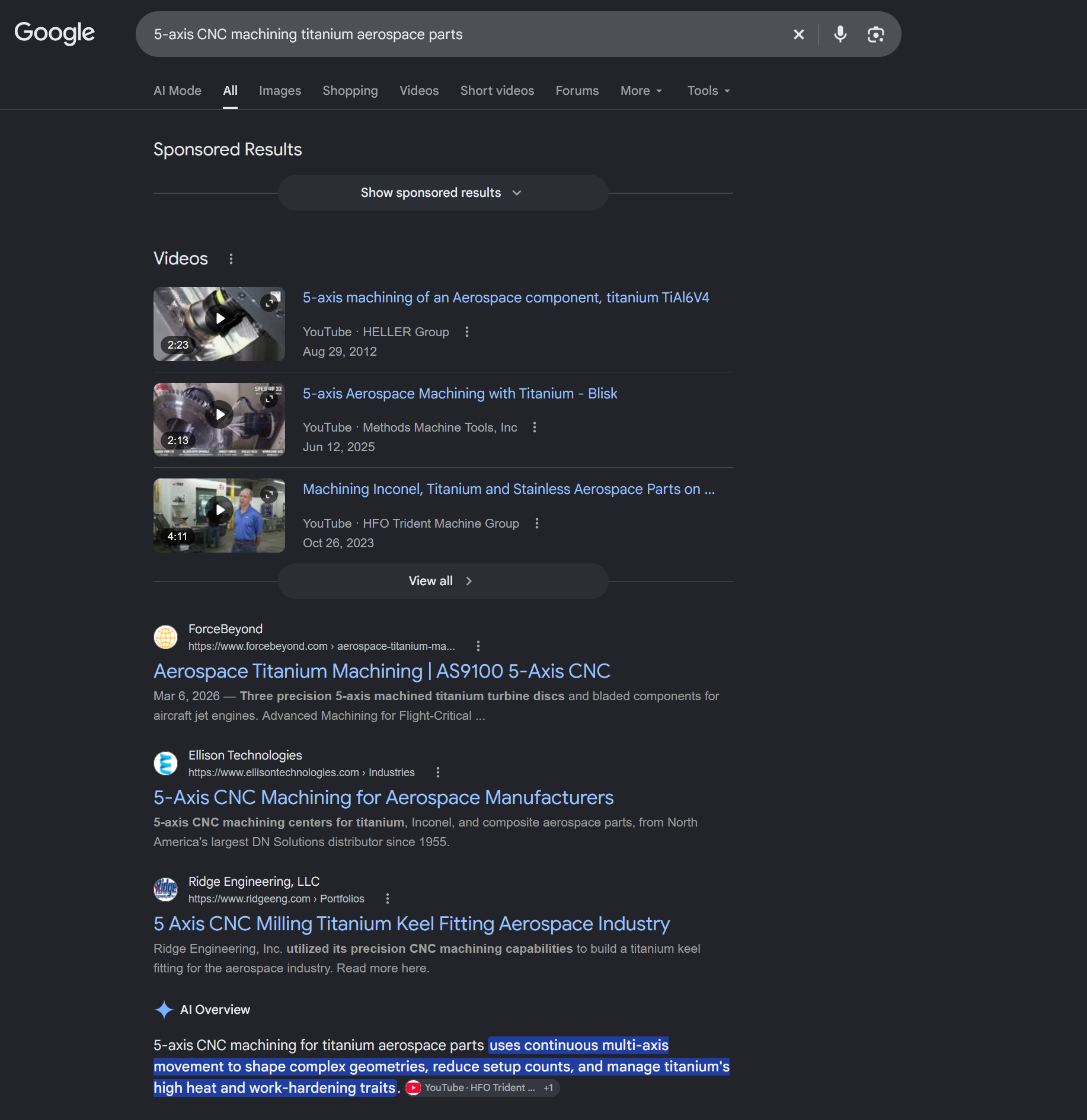
By month three, procurement managers search for an "ISO 9001 coating supplier Ohio" to verify regional capabilities. In month four, the plant manager is evaluating a published case study covering similar fluid-handling applications. By month five, the formal Request for Quote arrives. And finally, by month six, executive leadership checks the quality compliance page and actually signs the purchase order. Organic search content touches every single phase of that journey way before a sales rep even enters the conversation.
Buyers Research Suppliers Long Before Reaching Out to Sales
Engineers and procurement teams do 62% of their total buying research online. And as discussed earlier, buyers start the first contact themselves 87% of the time in industrial sectors, and the winning vendor sits on the day-one shortlist 95% of the time. So if you're missing from the shortlist on day one, you're typically out. On top of this, when two suppliers offer similar technical capabilities, 70% of technical buyers favour the brand they recognise from earlier research. Strong search engine rankings create that critical early familiarity long before the first phone call even happens.
Lower Cost Per Lead Than Trade Shows and Paid Search
The average manufacturing cost per lead through organic channels sits at about $415. Compare that to $691 for paid digital marketing ads. Physical trade shows drive acquisition costs even higher, frequently reaching $811 per lead when you account for booth space, logistics, and travel costs. Furthermore, 51% of engineers actively avoid clicking on paid search advertisements, preferring the objective trust they get from organic listings.
Plus, content just keeps generating qualified leads for years. Paid ad campaigns cease generating leads the instant the budget runs out. But an optimised technical webpage continues attracting qualified traffic and RFQs for years, mostly because the manufacturing processes, the standards, and the buyers search intent change pretty slowly. Each new piece of content creation adds to the key pages already producing qualified leads, which is why your organic cost per lead falls as your search engine optimisation strategy matures.
Visibility in AI Answers.
Almost 95% of buyers expect to use generative AI to support their decision and purchase process in the next 12 months, and AI tools pull from well-structured, well-ranked pages. But engineers still verify everything. Technical buyers rate generative AI answers about a 4.7 out of 10 for trustworthiness, which naturally sends them right back to supplier sites and trade publications to check the facts. You want your site ranking for both steps, the AI answer and the verification.
Sales Enablement.
Your capability pages, case studies, and application guides give sales reps material to send to prospects. So the same pages serve search and the sales team at once. Your reps stop writing the same explanation over and over and send a link instead.
Export Reach Without a Local Sales Office.
Country and language versions of your site put you in front of overseas procurement teams searching in their own language.
What Manufacturing SEO Involves
Executing an industrial SEO strategy really requires seven interconnected disciplines that have to work together perfectly. Let’s go through each one:
Keyword Research for Manufacturers
Everything really has to start with thorough keyword research because the terms your buyers use dictate exactly which key pages you need to build. When we do manufacturing keyword research, we extract terms from past customer enquiries and RFQs as well as product sheets and sales logs. We even pull data from Google Search Console and paid search reports. You take all of that data and separate the demand into different buckets, like capabilities such as “laser cutting services” or really tight specifications like “0.0005 inch tolerance machining. " You also want to look at applications and materials or specific part numbers and locations like “sheet metal fabrication Texas".
And you just have to accept low search volume. Ten monthly searches from procurement managers beat a thousand searches from students typing “what is CNC machining". Thorough keyword research means chasing the right buyers over the big numbers.
Once you have those target keywords, the next step is deciding exactly where those pages sit on your site.
Website Structure for Manufacturing Sites
If you have a capability page that lists twelve distinct manufacturing processes on a single URL, it will completely fail to rank for any of them. Every single core capability and material type requires its own dedicated webpage. If you have a massive product line, your catalogues must follow a clean hierarchy that divides categories and subcategories so individual product pages are within three clicks of the homepage. You also want to use targeted internal linking to connect your key capability pages directly to relevant industry applications.
On-Page SEO for Product and Capability Pages
You want to write title tags around the capability plus a qualifier, e.g., "Precision Swiss Machining, ISO 13485 Certified." You should also keep your meta descriptions heavily focused on tolerances and lead times. A really huge tip here is to put your specifications into clean HTML tables covering things like tolerances, materials, maximum part size, finishes, and certifications.
You also want to show real products with descriptive alt text and make your CAD files easy to access. Most importantly, always place your RFQ button directly after the spec table, right where the engineer is actively confirming the fit.
Written pages earn search rankings only after search engines crawl and index them, which brings in the technical SEO layer.
Technical SEO for Manufacturing Companies
Product specifications must be published directly within indexable HTML code. You can definitely offer the PDF as a download, but the text itself has to be readable right there on the page. Another big issue is faceted navigation, which are those product filters you see on e-commerce sites, e.g., filtering by material or size. That is actually the most common source of overcrawling reported to Google. Google recommends blocking unneeded filter URLs in your robots.txt file, which tells search engines which pages to skip, and returning a 404 error for filter combinations with no results.
On top of this, add structured data across all your catalogue items. Structured data is code labeling your product details so search engines read them correctly. Set canonical tags on variant pages, which tell Google which version is the main one. Compress your equipment images for site speed and website performance, and keep your sitemaps updated continuously. And if you're redesigning or carrying out a website migration, you need a technical SEO audit and 301 redirect mapping for every historical URL.
With a sound technical base, content fills the gaps the product catalogue leaves.
Content Strategy for Manufacturers
Engineers search all the time for guidance on material selection, cost drivers, and design rules. So manufacturing companies should answer those searches with application guides, material comparison charts, design-for-manufacturability tutorials, tolerance reference sheets, and documented project case studies. Have an engineer review every technical article too. Remember the 4.7 out of 10 trust score for AI answers? Technical buyers check claims against sources they trust, so your technical content has to hold up.
Strong pages then need outside signals of trust, and link building supplies those.
Link Building for Manufacturers
Search engines utilise high-quality backlinks as votes of industry confidence. Manufacturers can acquire authoritative links by simply asking their OEM customers and distributors to list them on their supplier pages. You can also claim profiles across trade associations and recognised industry directories to really strengthen your off-page SEO. Contributing technical articles to trade publications provides high-value backlinks while reaching technical buyers through their preferred sources. Even sponsoring university engineering initiatives adds legitimate authority. You just need to skip paid links entirely because they break Google spam policies and will hurt your search engine visibility.
Use Local and International SEO Where the Manufacturing Businesses Need It
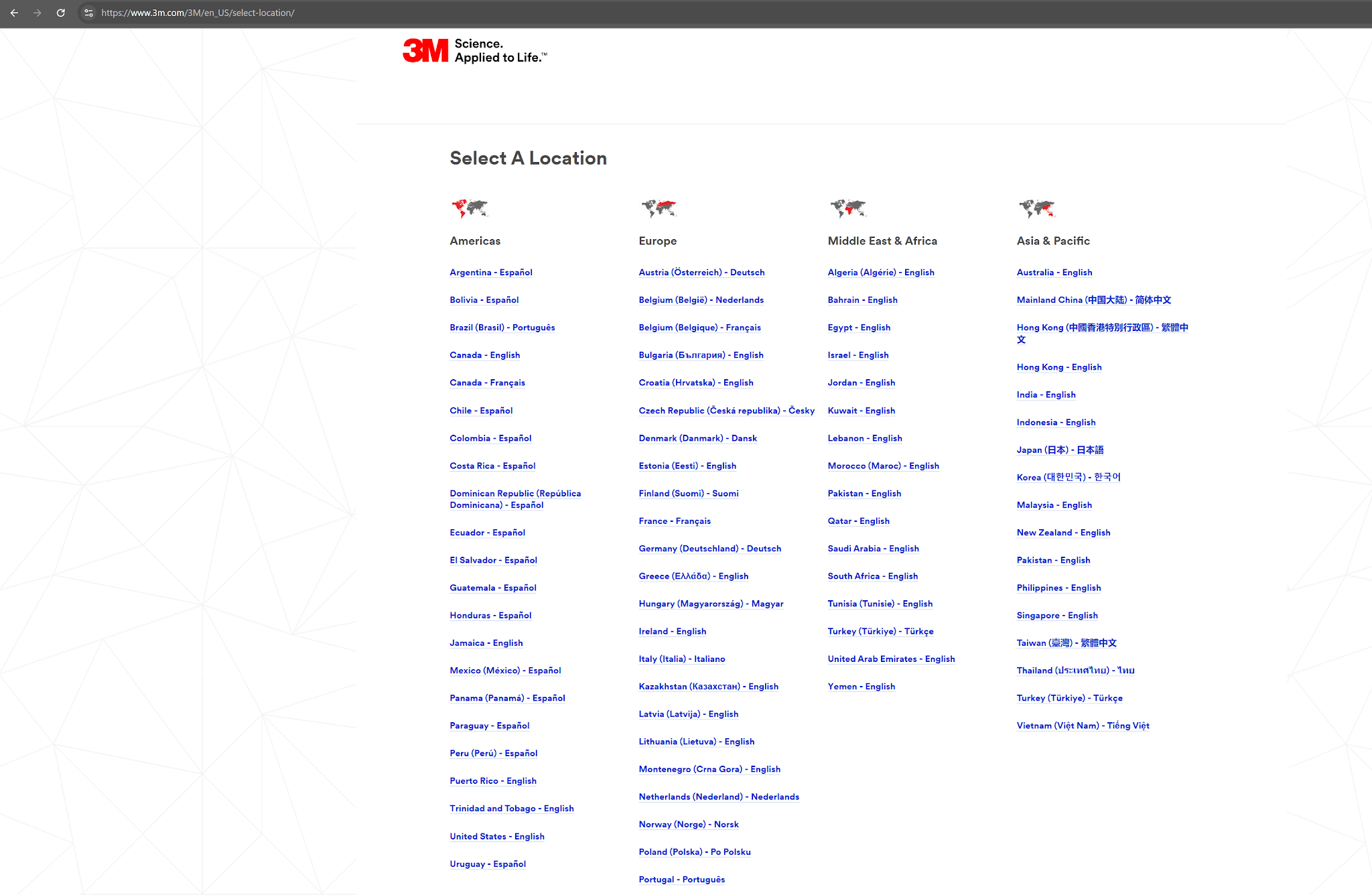
For local search engine optimisation, create a Google Business Profile for each plant, so if you run multiple locations, each one gets its own. Keep your name, address, and phone details consistent across directories, and build pages for the regions each facility serves. If you are targeting export markets, you need to build separate language or country versions with hreflang tags while commissioning keyword research from native speakers and showcasing regional certifications such as CE marking directly on those matching pages.
What Results to Expect From Manufacturing SEO
You need about 4 months to a year to deliver measurable benefits. Your timeline depends on your site's existing authority, its technical condition, the competition, and the searches you're targeting.
In months 1 to 3, you're mostly doing technical fixes, correcting crawl errors, and restructuring core pages. Around months 4 to 6, you usually see initial search visibility for long-tail specification queries, and that's when the first organic RFQs start rolling in. By months 6 to 12, your competitive capability terms start moving to the top of the search results as your content authority and backlink quality compound over time.
And always judge SEO performance by qualified search visibility, more relevant enquiries, and stronger pipeline contribution, over raw organic traffic counts.
At Assertive Media, we build specialised manufacturing SEO strategy programmes designed around generating qualified RFQs and measurable sales pipeline growth. Request a free SEO audit, and our technical team will show you where your site loses organic search traffic, where to improve online visibility, and which technical fixes will give you the highest return on investment.