










Luxury travel SEO starts with matching search intent. Affluent travellers type out full, specific requests, so targeting long-tail queries which map to each stage a wealthy traveller moves through pays off more than chasing broad terms.
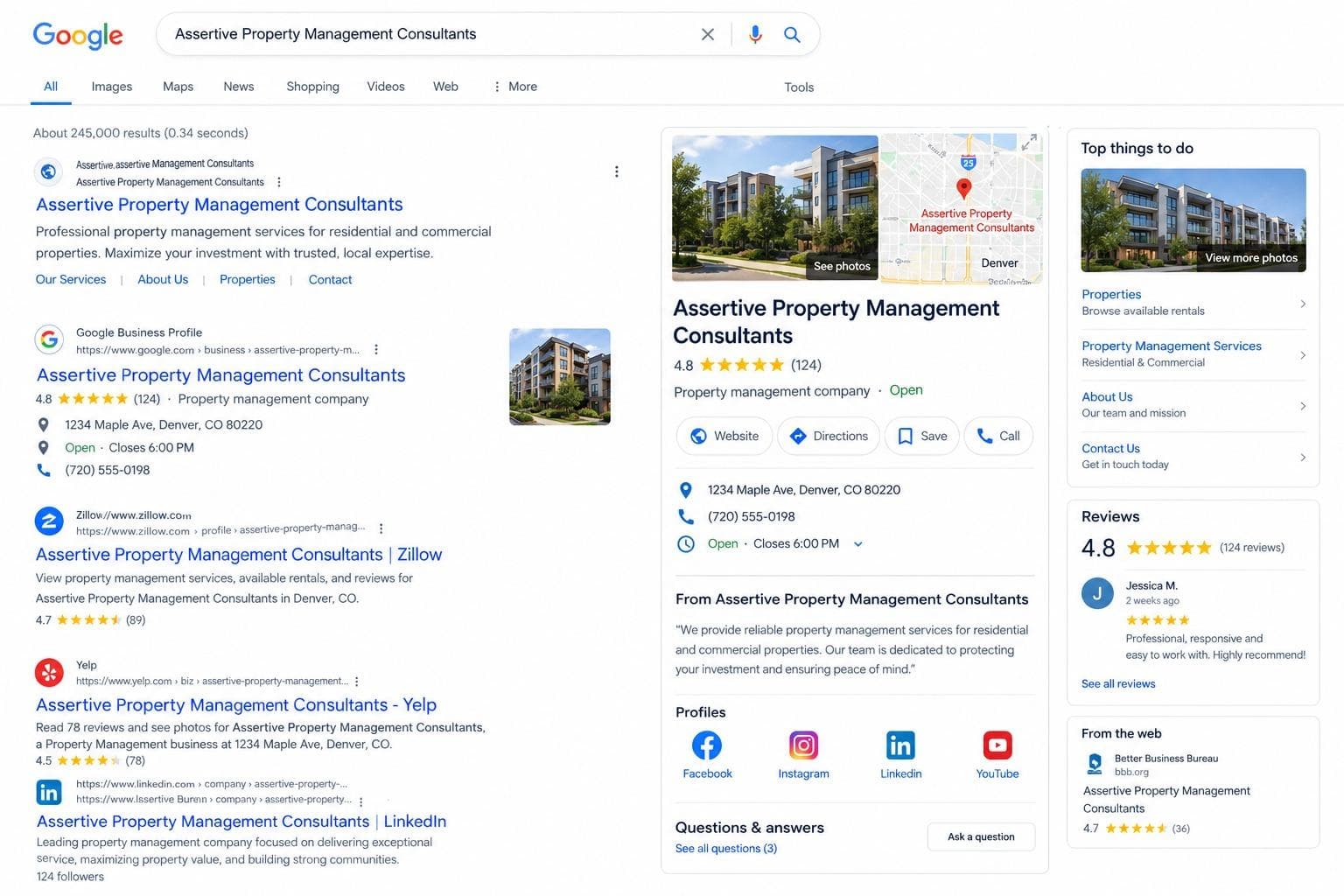
Reviews, a complete Google Business Profile, and clean schema markup carry more weight for local visibility and for AI visibility than most operators assume.
Page speed and mobile polish signal premium service before a guest reads a single line of copy.
Editorial backlinks from prestige publications build the trust needed to justify premium pricing, while mass-produced spam link building damages a luxury brand's standing.
Demonstrating genuine firsthand experience has become mandatory for ranking well, since search engines demand unique information and verified expertise over another recycled destination guide.
Every one of these levers now feeds a second audience too. AI models put together answers for travellers who never open a search results page, and earning a citation inside an AI overview takes structured data plus a consistent brand presence across high-authority editorial sites and social platforms.
Luxury Travellers Search in Complete Requests, Not Keywords
Affluent travellers face real decision fatigue when planning complex itineraries, and this fatigue pushes them toward highly structured queries instead: a full thought rather than a couple of keywords, something closer to "private Parisian townhouses with butler service" or "boutique hotels Amalfi Coast with private beach and concierge service."
A searcher looking for a private villa honeymoon package in Zanzibar represents massive commercial intent. The query might show only twenty searches a month in a standard analytics tool, yet those twenty searches carry more value than ten thousand unqualified clicks, because the traveller skips past the dreaming phase and moves right into picking a vendor. Short generic terms like "luxury hotels Italy" or "safari Africa" pull in aggregators, global travel agencies, and big publishers with domain authority, no independent brand matches, so competing there burns through budget fast.
Since a destination name alone leaves too much room for interpretation, layering location, experience type, and logistical constraints onto every landing page closes this gap, matches the way affluent travellers search, and filters out low-budget traffic at the same time. Adding the experience, say a photographic expedition, a wellness retreat, or a private charter, along with a service detail like exclusive use, a private flight in, or a named guide, narrows a page down to one traveller's exact request.
This same thinking needs to carry through the whole planning funnel, so the keyword research strategy should cover highly visual inspiration content for the early dreaming phase alongside detailed logistical breakdowns for the planning phase. Take the query "private villa Amalfi Coast with chef and pool for family." One landing page carries all three funnel stages. For the dreaming stage, show a photo of a family at dinner on a terrace above the coastline, paired with a line like "Your family gets its own villa, its own chef, and its own stretch of the Amalfi coast, a short flight from London." For the planning stage, give a short breakdown of villa size; the chef arrangement, whether meals run dinner only or three times a day, staff included; and transfer time from Naples airport. And for the booking stage, add a live calendar showing open weeks from July through September, with the price listed in pounds right beside it, so a UK visitor checks dates and cost without emailing for a quote.
Building Topic Clusters Instead of Isolated Pages
One destination page rarely earns real trust on its own, so luxury travel brands seeing sustained growth build a full ecosystem around each user experience instead. Take a safari operator as an example. The core booking page gets support from content on the best lodges for honeymooners, private charter logistics, packing lists, vaccination requirements, and the ideal month to visit each park, and every one of those supporting pages links back to the booking page, so the cluster together shows depth no single article manages alone.
Comparison content works the same way. Buyers this far along in a purchase decision search for things like Aman versus Four Seasons, or Santorini versus Mykonos private villa holiday, and a brand answering those questions directly meets a traveller much closer to booking than one still publishing broad inspiration posts.
Search Console holds another quick win worth mining. Pages ranking between positions five and fifteen often carry strong impressions with weak clicks, meaning the content ranks fine, but the title tag and meta description miss what the searcher wants, so adding a duration, an occasion, or a specific demographic to a title tag often moves a page into the top three without writing a single new paragraph.
Smaller luxury travel brands do better avoiding every destination at once. Travel websites dominating one niche first, whether polar expeditions or luxury rail, reach top positions faster than generalists, then expand from a position of real authority.
Proving Real Experience Through Information Gain
Firsthand experience and genuine travel industry expertise sit at the centre of luxury travel SEO, exactly what makes Google trust and favour content enough to rank it above everyone else covering the same destinations. Search engines reward what's called information gain and helpful content, meaning new content has to bring fresh insight or proprietary data to the conversation rather than recycling what's already out there.
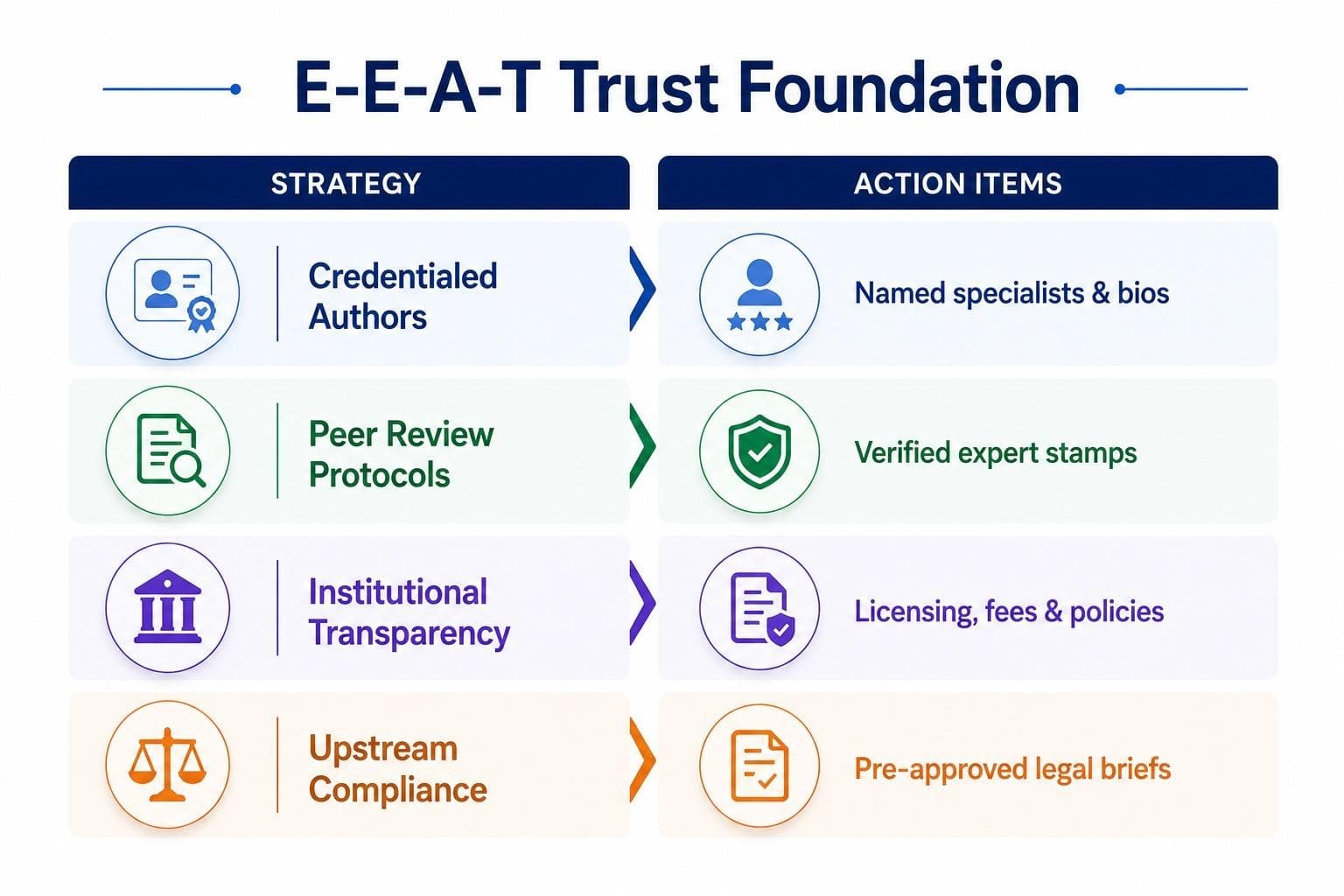
Google's quality guidance leans on experience, expertise, authoritativeness, and trust, and luxury travel sits right next to your money or your life territory given the sums involved, so these signals carry extra weight. What earns trust is long-form, editorial-style writing attributed to a named specialist, someone whose real experience with a destination or property comes through in the details. Safari content built around animal behaviour patterns, seasonal migration timing, and the tradeoffs between private conservancies and crowded parks reads as something only a seasoned professional would know.
This kind of trust starts building even before someone opens a search engine, back when they're scrolling social media, e.g., Instagram or TikTok, looking for inspiration. Content aimed at that early discovery phase means the brand already earns trust by the time comparisons start, and since the premium travel sector runs so heavily on visuals, image optimisation deserves the same attention as the written copy. A guest weighing an overwater bungalow at several thousand dollars a night wants to see every detail before reaching out. Google Image Search drives real traffic on these terms, so descriptive, keyword-rich file names and alt text on every original photograph, paired with drone footage and short video room tours, capture this visual first search behaviour directly.
Local SEO and Reviews Still Decide Who Ranks First
Local search runs as its own separate ecosystem, and it frequently outperforms regular organic website rankings for destination-based tourism businesses, which ties back to the trust signals running through this whole conversation. Business Profile signals make up roughly a third of the local ranking decision, review signals account for around a fifth, on-page factors sit close behind, and links trail at the bottom.
Treat the profile like a second homepage. Get the primary category right first, since nothing else fixes a wrong one, then fill in every field, use photography matching the property rather than stock shots, and work phrases like "private retreat" into the description wherever they fit naturally. Also, answer the questions in the Q&A section before a guest ever has to ask.
Keeping the business name, address, and phone number perfectly consistent across every directory builds the foundational trust the algorithm needs to place a brand in the map pack, and, where possible, hooking booking tools directly into the local profile captures a reservation the moment someone finds the listing.
Reviews carry more weight than most people give them credit for. Fresh reviews outweigh old ones, so a business generating a handful of new reviews every week outranks one sitting on a pile of five-year-old praise. Spread reviews across Google, Tripadvisor, and whatever luxury travel aggregators your buyers trust, and reply to each one yourself, since a fresh review paired with a personal reply raises visibility in the map pack and in AI recommendations alike.
High-end travellers read reviews closely before handing money to a brand they've never used, and this local work matters even more in a niche like VIP airport transfers or private chauffeur service, where generic search ads for luxury transport pull in people who were never going to book anyway and drain a budget fast.
Speed and Design Signal Luxury Before a Word Gets Read
A slow, clunky travel website tells an affluent visitor the actual stay will disappoint too, and that impression forms before a single word gets read. Images make up the biggest visible chunk on roughly 75% of mobile pages today, and a hero photo left to lazy load instead of preload stands as the single most common reason a luxury brand site misses its speed target.
Serving modern image formats like WebP or AVIF, setting image dimensions to prevent layout shift, and prioritising the hero image ahead of everything else on the page moves site speed a great deal.
Fewer than 66% of mobile pages currently hit a good loading score, well behind desktop, and closing that gap pays for itself through lower bounce and more request volume. A content delivery network helps close the remaining distance for luxury travel brands serving clients across several continents, since a lodge or villa marketed globally needs to load fast whether a guest browses from London or Singapore.
Schema Markup Is an Easy Technical Win Most Competitors Skip
Only about 10.6% of sites in this space carry good schema markup, which makes this one of the easiest wins sitting on the table since most competitors skip past it completely. More than a third have none at all, and among sites which do use JSON-LD, 41% tag themselves with the wrong type, marking themselves as a generic organisation instead of a hotel or lodging business. Get the lodging schema right, and a brand leaps nearly nine in ten competitors on machine readability alone.
Google's own documentation confirms structured data carries no direct ranking weight, but what it buys is eligibility, rich search engine results, the hotel pack, and clean entity data feeding the knowledge graph and every AI assistant pulling from search, all of which depend on machines understanding what the property is, where it sits, and what a stay costs. Mark up the name, address, geo coordinates, check-in times, amenities, star rating, aggregate rating, and direct booking URL in JSON LD, add FAQ schema to pages answering traveller questions, and keep the marked up data matching the visible page exactly.
Earning a Citation Inside AI Overviews and Chatbot Answers
High-net-worth travellers increasingly turn to ChatGPT, Gemini, Perplexity, and Google's AI Overviews for recommendations, and rather than relying on a brand's website alone, these systems build their answers from editorial coverage, review platforms, community discussion, and the same structured data covered a moment ago. This immediate delivery cuts into organic traffic clicks significantly, since a traveller gets an answer without ever visiting the site, which is why earning a spot inside these AI Overviews matters so much, especially since they now turn up on 57.9% of question-shaped queries, exactly the conversational, experience-led searches luxury travel attracts.
The good news is that optimising for these generative engines mostly rewards the foundational work a brand should already be doing. The systems favour a clear entity structure, current facts, strong third-party profiles, editorial mentions, a solid video presence, and high-quality content answering specific questions in plain language, so keeping a close eye on how these AI assistants describe a brand still matters since outdated information spreads fast once a model picks up a wrong detail.
One Editorial Mention Beats a Hundred Cheap Links
Traditional link building, paid directory placements, and low-quality guest posts actively damage a luxury brand's reputation, since affluent buyers judge a property by the company it keeps online, and search engines weigh authority by the prestige of the domains linking back. Roughly half of luxury travel SEO professionals now rate digital PR as the single most effective link-building tactic available, well ahead of guest posting, which trails near one in six.
A single placement in a globally recognised publication, such as Conde Nast Traveler, Robb Report, Travel and Leisure, or AFAR, works as both an algorithmic trust signal to search engines and a psychological one to a sceptical buyer weighing a premium price tag.
Earning those placements takes real newsworthiness. Journalists at major travel publications face demanding daily quotas and constantly need reliable industry insight to build their stories, so consistently providing unique data on shifting travel trends, running data stories, hosting press trips, and offering expert commentary on travel news or regional anomalies turns a brand into a preferred, trusted source over time.
Partnerships add another layer, since pursuing listings with destination marketing organisations, tourism boards, and networks like Virtuoso doubles as a trust signal for both travellers and algorithms.
Defending branded search matters just as much. Online travel agencies bid on hotel brand names and pull bookings away from travellers searching for a property specifically, so strong brand authority, earned sitelinks, and selective defensive advertising keep a brand's own name its own, while displaying verified media badges directly on booking pages pre-vets the property and helps justify a premium nightly rate to a sceptical buyer.
Recovering Bookings From OTA Commissions
None of the ranking work matters if a booking still routes through a middleman charging 15-20% off the top. Booking.com commissions average around 15%, and Expedia typically runs closer to 18-22%, so every booking recovered from an online travel agency and moved to a direct channel keeps real margin in the business.
Setting up Google's free booking links helps here too, since they display a direct rate labelled as the official site right alongside the paid metasearch listings at zero cost per click and recover a share of this traffic automatically once a connectivity partner feeds in live rates.
A fast, simple request or booking flow closes the loop from there. Plenty of buyers in this category avoid public checkout entirely, preferring a discreet request form, a private consultation, or a direct call, so every contact route needs to sit right up front, including WhatsApp, email, and click to call.
A slow, generic automatic reply to a high-value request undoes the trust every other tactic on this list worked to build, so the reply needs to land within thirty minutes, since a slower response hands the relationship straight to a competitor.
Get in touch with our luxury travel SEO specialists today to build this kind of strategy for your hotel, villa, or travel brand, starting with a full audit of your local visibility, technical performance, and AI search presence. Call 0207 965 7623 or send a message to start the conversation.