












As a hospitality service, you'll know the importance of increasing direct bookings and SEO is one of the best ways to help you do that. Instead of relying on referrals from OTAs with high commission fees, you can connect with potential guests and enjoy higher booking rates.
In this post we'll show you how SEO helps hospitality brands increase direct bookings. Whether you're a local guest house, a national restaurant, or international hospitality service, you'll know how to reduce expensive commission fees and grow a successful brand.
Why Direct Bookings Matter So Much in Hospitality
Direct bookings are vital for hospitality services, because the alternative gets expensive. Online travel agents and comparison tools usually charge a commission for every booking that goes through their website.
For example, Booking.com charges an average of 15% per booking, but this can be up to 25%. Expedia charges similar rates of 10-30% per booking (Lodgify).
While these fees might not seem much, they soon add up. Let's say a hotel has an average room rate of £100 and attracts 200 1 night bookings over the summer.
Direct bookings will result in a revenue of £20,000, but reservations through Expedia or Booking.com will only bring in £17,000.
Platforms like Uber Eats also take fees for every order. If you use the delivery service, you can expect to pay around 30% of the order total, while self-delivery is usually 13%.
When your hotel and restaurant bookings come from direct customers, you don't just save money and enhance your profitability; you have complete ownership of the guest relationship.
From contact information to upsells and preferences, direct bookings let you provide a better guest experience and take control over your brand's growth.
The best way to increase direct bookings is through SEO, because it targets high-intent visitors who are actively looking for hotels.
How SEO Increases Direct Bookings
No matter what type of hospitality business you have, implementing an SEO strategy is one of the most effective and affordable ways to attract direct bookings.
Reach High-Intent Customers
A hospitality SEO strategy lets you reach high-intent customers in real time. These people have already searched for 'the best beach holidays in Europe' or 'Mexican restaurants near me' and they're actively looking for accommodation.
When you use SEO to capture visitors in the decision making process, you can drive website traffic which turns into direct bookings.
However, instead of competing with third party platforms, you can target niche and long-tail searches.
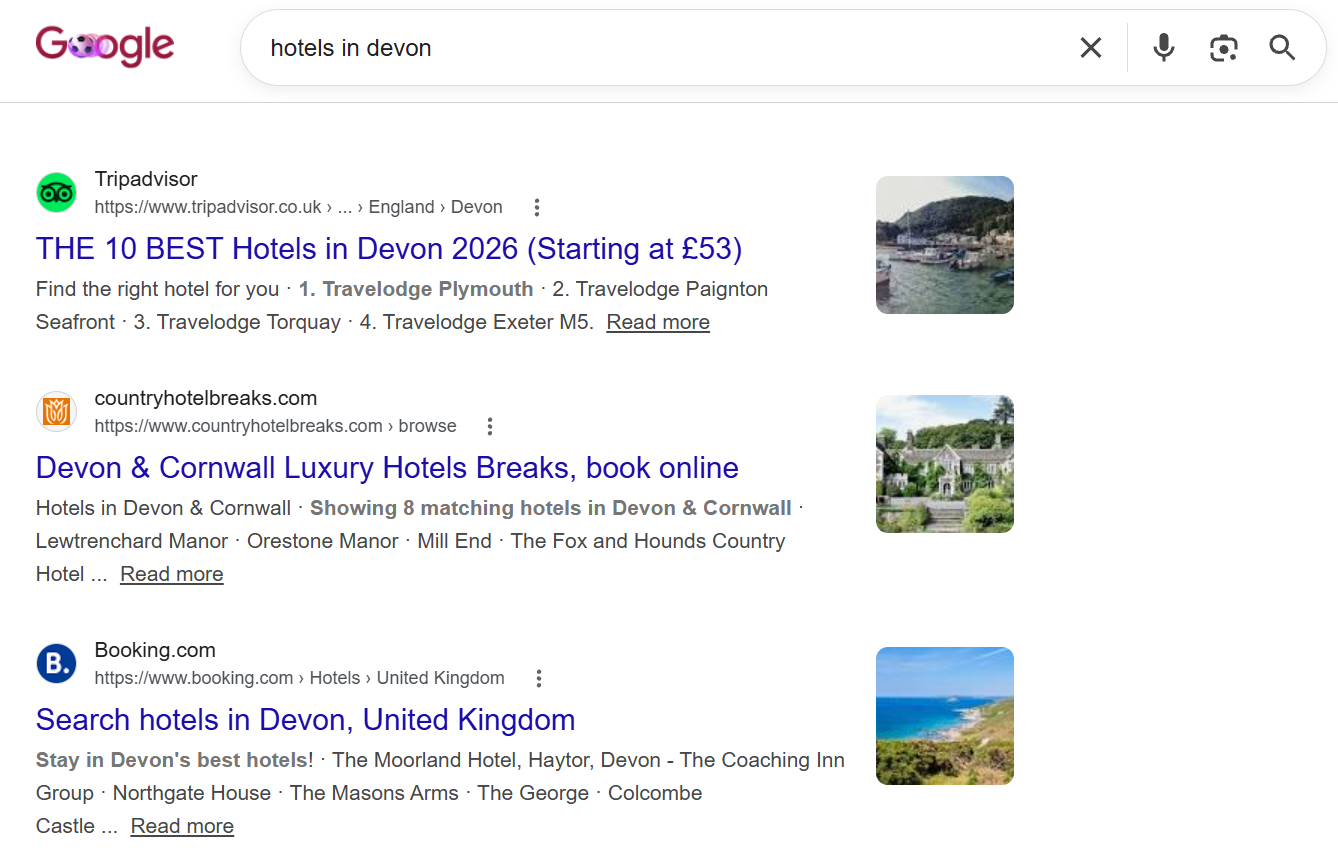
For example, let's say someone searches for hotels in Devon; you can see straight away that Trip Advisor, and Booking.com are in the top three results.
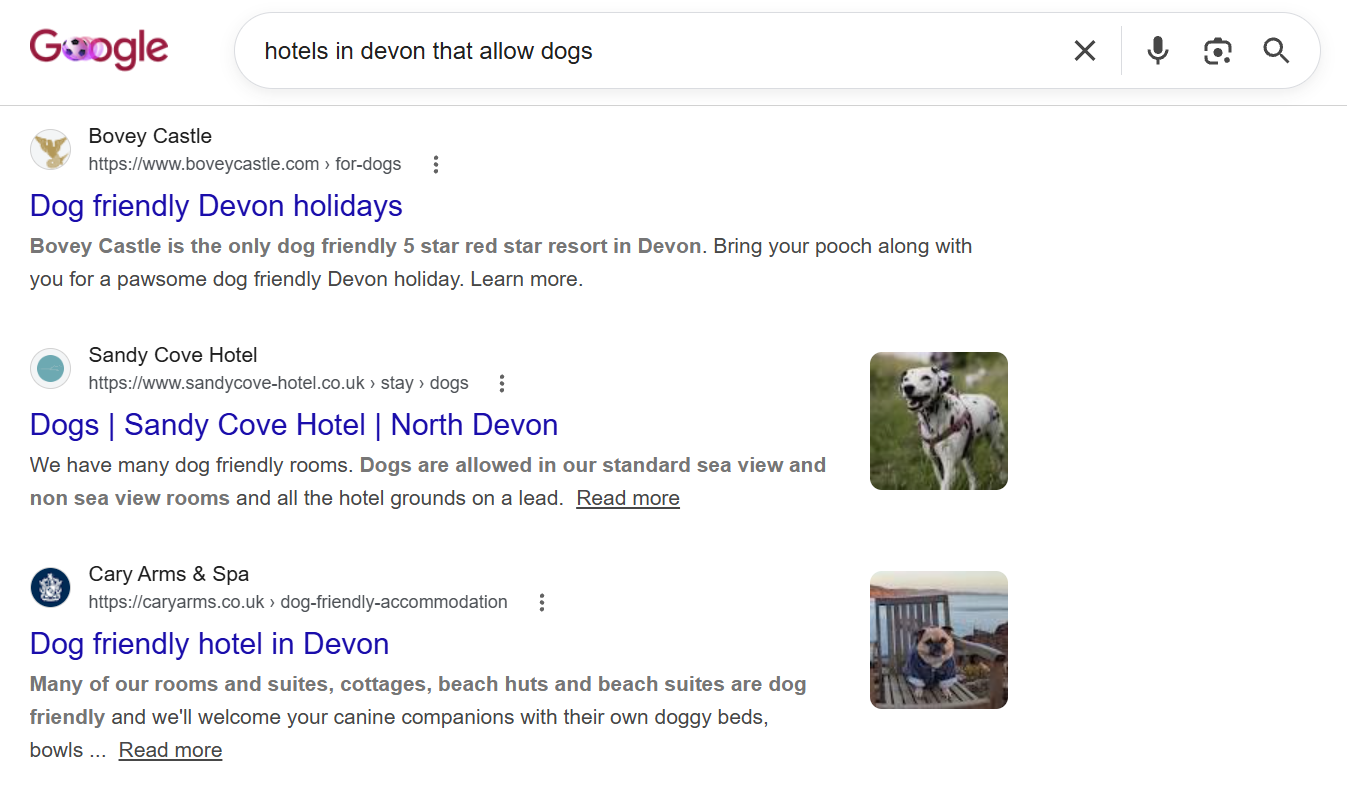
But, if we make the search more intent-focused like 'hotels in Devon that accept dogs', independent hotels appear before OTAs.
Dominating Local Search Results
While many people plan holidays and meals out ahead of time, there's always an opportunity to attract guests searching in your area. A long drive turns into an overnight stay, people need to leave their house for a few days, and others might prefer to travel but play everything by ear.
When your business shows local searches, it attracts guests who are looking for the services you offer.
Implementing a local SEO strategy can help you compete against third party platforms by providing instant information and a seamless booking experience for potential guests.
Instilling Confidence in Potential Guests
We've covered how your SEO strategy can help you capture high intent leads, but what about potential guests in the research phase? These people are looking for information, and targeting the terms they search for can drive website traffic.
However, going after high volume searches like "things to do in Tenerife" means you'll almost always be competing with larger brands and OTAs. However, when you target specific searches, you can attract potential guests.
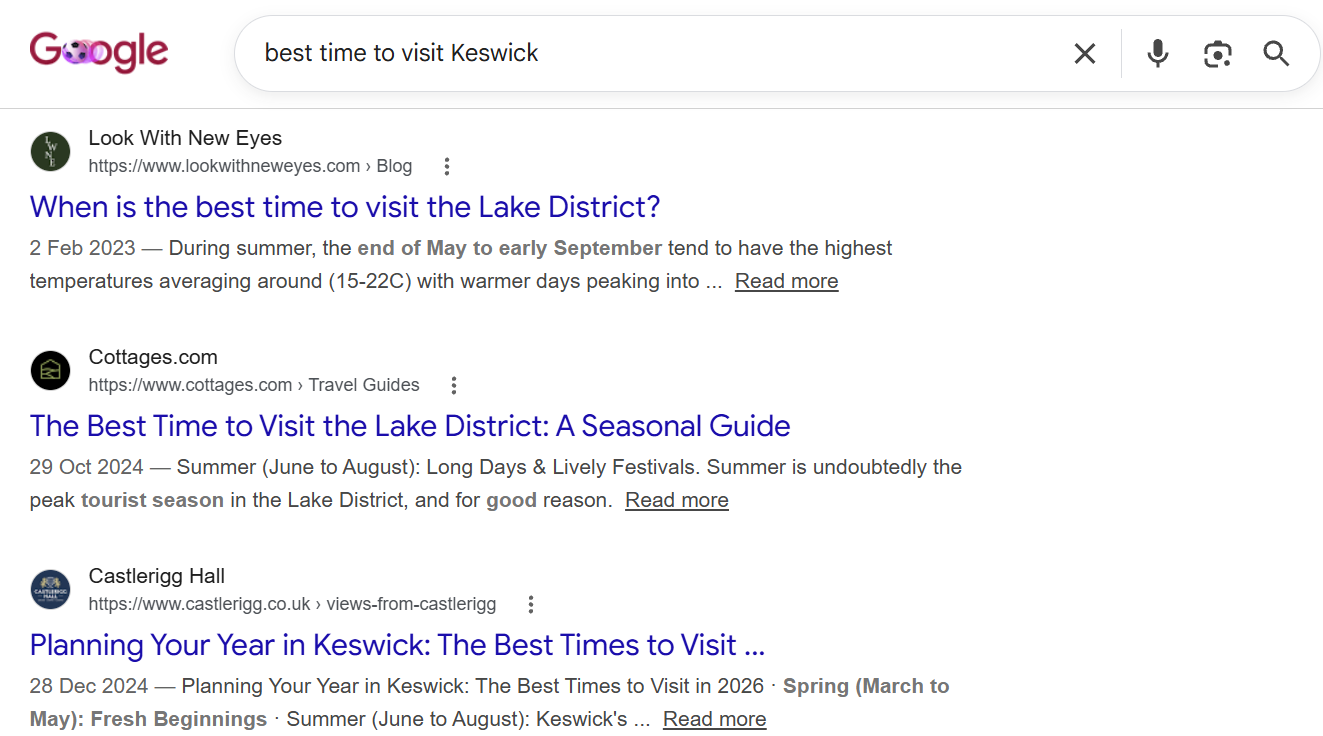
For example, instead of targeting "the best time to visit the Lake District" you can target Keswick instead, which gives you more opportunities to connect with people who are planning on visiting the area.
Focusing On User Experience
Here's something interesting; despite Booking.com frequently appearing in top search results, users tend to give it negative reviews.
With an average Trustpilot score of 1.6 stars and users complaining about the poor customer service and complex platform, you can set yourself apart by ensuring that users have a seamless experience.
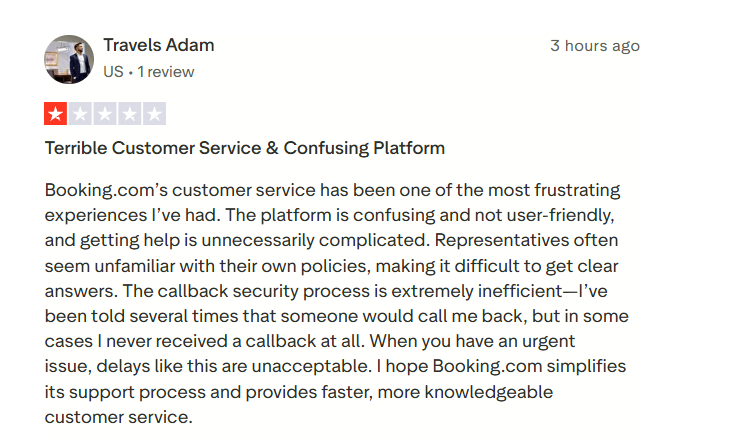
And it's the same thing with delivery platforms:
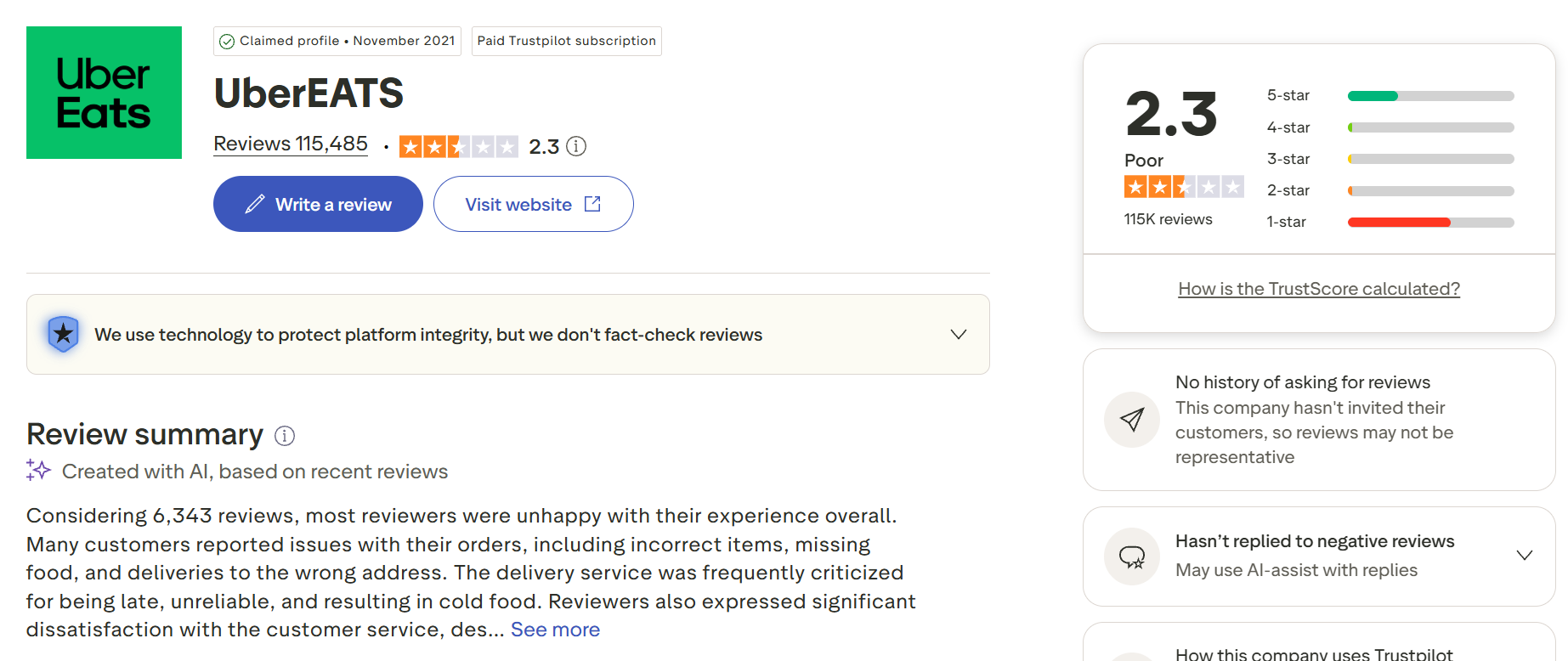
Search engines like Google factor user experience into the indexing and ranking process. This means that your website should load quickly, be responsive across multiple devices, and be simple to navigate.
Building Trust Through Reviews
Reviews are vital for any business, because they reassure potential customers. Hospitality brands know all too well that a bad review can damage their reputation.
For example, if someone has a bad night's sleep in your hotel or doesn't enjoy their meal at your restaurant, they might mention it in their review, which impacts your ability to attract bookings.
Asking your guests to leave reviews on Google Business Profile or Trustpilot is an excellent way to build trust. It's important to respond to all reviews including the negative ones, because it shows that you value feedback.
Think of it like this; a hospitality business with dozens of four and five star reviews will perform better than one with no reviews.
Reducing Your Reliance on Third-Party Booking Services
Online travel agents are great for new hospitality businesses because they can attract customers while you're building a reputation.
It's the same with delivery services like Uber Eats and Deliveroo. But, you also have to factor in the fees these platforms take from you.
While SEO strategies take time to generate results, once you begin to appear in searches, you can reduce your reliance on booking platforms.
The Best SEO Strategies for Driving Direct Restaurant and Hotel Bookings
Now we've covered how SEO can help you increase direct bookings, it's time to look at effective strategies that your hospitality business can implement.
Create Dedicated Landing Pages
When trying to capture long-tail, niche, and location-focused pages, the best thing you can do is create landing pages. These pages will show up when people are searching, and make it easier to convert potential customers.
For example, if your hospitality business operates in different locations, create landing pages that link to each of them. It's the same principle for searches like "dog-friendly hotel" and restaurants that cater for private parties.
Maintain Your Google Business Profile
Google Business Profile is one of the most valuable assets for local businesses, but many hospitality services don't treat it like their other social profiles. Simple things like making sure your opening hours, services, and menus are up to date make a huge difference.
Google's new Ask Maps feature replaced the traditional questions and answers format on GBP. However, you should include information based on what people typically ask and create a dedicated FAQ page.
Most importantly, use the posting feature to keep your profile active.
Provide Valuable Information
When you fill your restaurant's or hotel's website with valuable information, you can catch potential customers at all stages of their journey. For example, a dedicated FAQ page ensures that you answer all of their questions, while helpful content can set you apart from the competition.
People aren't just searching for places to stay, they're looking for things to do. When you take the time to create high-quality content, you have more opportunities to set yourself apart as an authority.
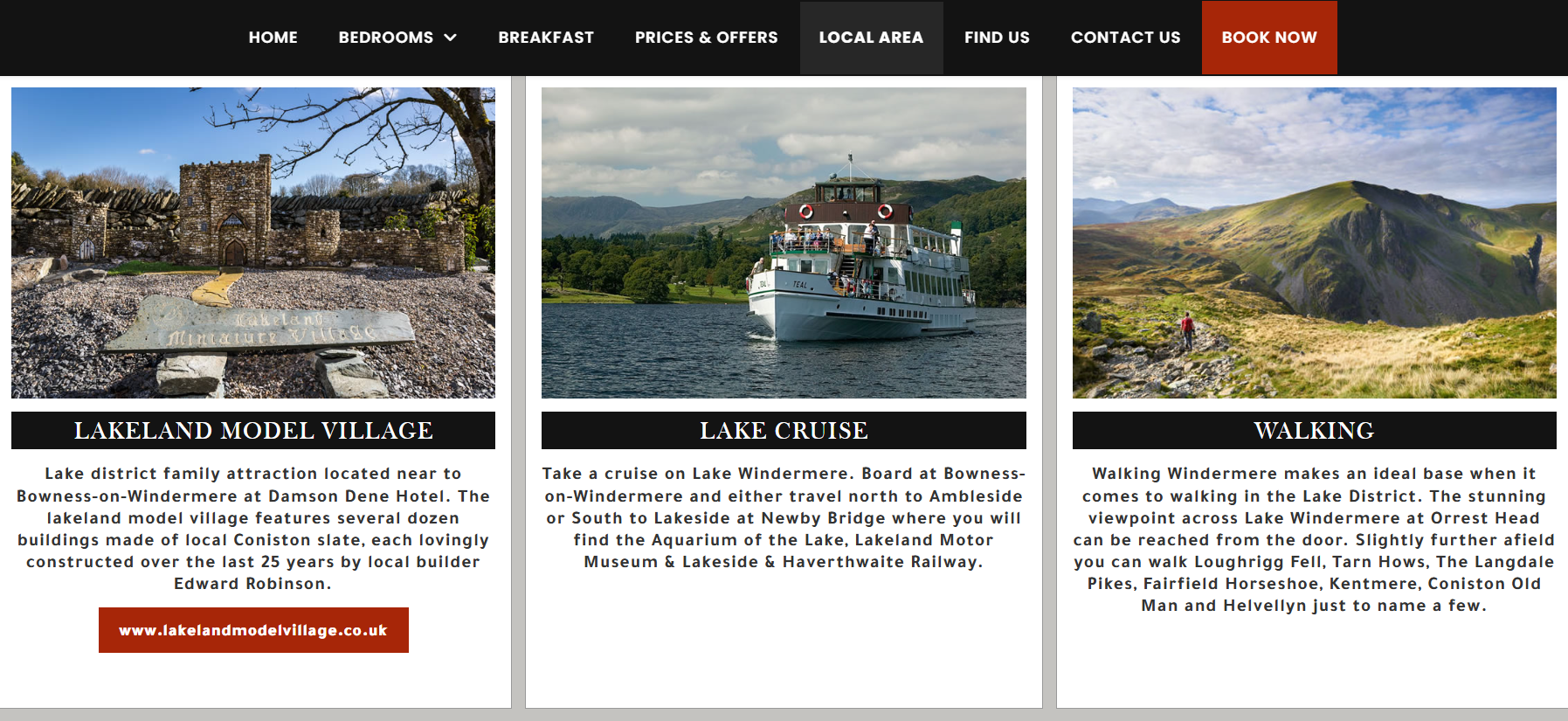
As you can see from this Bed and Breakfast in Lake Windermere, they don't just talk about the rooms; they provide dedicated things to do hubs.
Turn Your Website Into a Booking Engine
The main draw of third party booking platforms is convenience. Tell Booking.com where you want to go and it brings up hotels and dates. Fancy a takeaway? Deliveroo and Uber Eats let you filter your search by cuisine and other factors.
You can attract more customers by using technical SEO to ensure your website is fast loading and responsive across all devices. People don't want to search for information, and websites with seamless navigation will always attract more direct bookings.
Use Structured Data
Ask your web developer or SEO agency to add structured data (schema markup) for your website. Schema markup is beneficial for appearing in Rich Results, but it also helps search engines understand your website content.
Structured data also makes it easier for AI tools to cite information about your business and improve your chances of appearing in results.
Think of SEO as a Long-Term Investment
SEO isn't instant and you won't get immediate results. But, when you focus on creating high-quality content, link building, and ensuring a seamless booking journey for potential customers, you can attract more leads and reduce your reliance on third-party platforms.
Increase Direct Bookings for Your Hospitality Brand
Whether you're just starting out or want to reduce the amount you spend on referrals from third parties, SEO is a proven strategy that pays dividends over time.
We offer a range of specialist SEO services for the hospitality sector including campaigns for all stages of your growth.
Please get in touch with us today for a proposal.
FAQs
What is SEO in the hospitality industry?
SEO in hospitality is the process of optimising your site to ensure it appears in search results. The main goal is to capture leads at all stages of the journey, whether they're looking for hotels or restaurants in their local area, or planning a trip away.
It combines local, on-page, off-page and technical SEO strategies to build your online presence and drive direct bookings - instead of relying on third party platforms.
Do restaurants need SEO?
Absolutely. The majority of people use search engines to find restaurants, so it's no longer enough to be in a convenient physical location.
Reviews, detailed information about menus, booking information, and directions give users a seamless journey, which improves your visibility in searches and removes any barriers to securing bookings.
Is SEO or PPC better for hospitality brands?
Both are beneficial for your marketing strategy, but they have different purposes. While PPC can instantly increase your visibility, it's also more expensive and has a lower ROI than SEO.
If you want instant growth and bookings, PPC can be an excellent stop gap or increase your visibility during seasonal promotions, while SEO is a long-term strategy that shows consistent results over time.