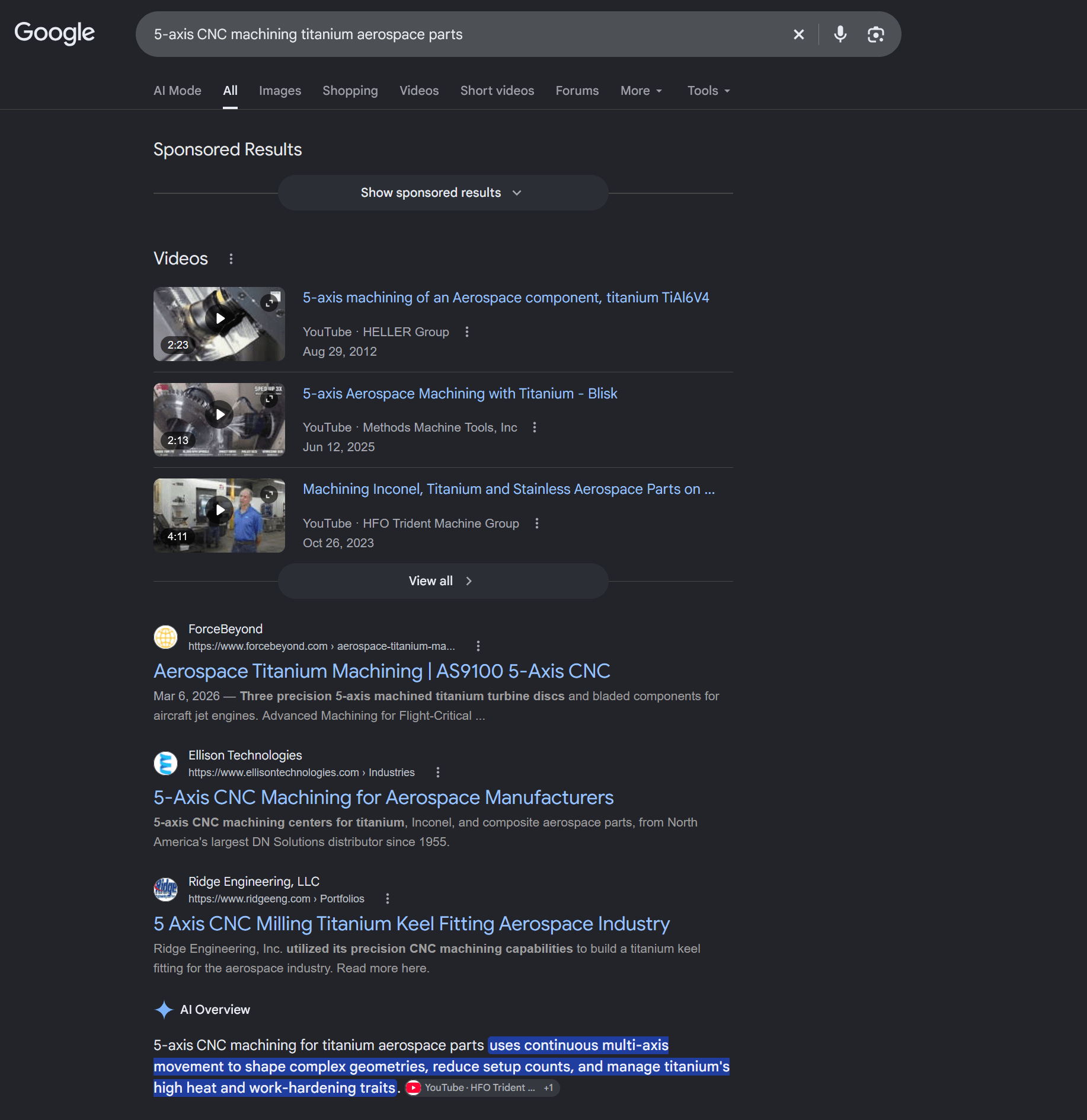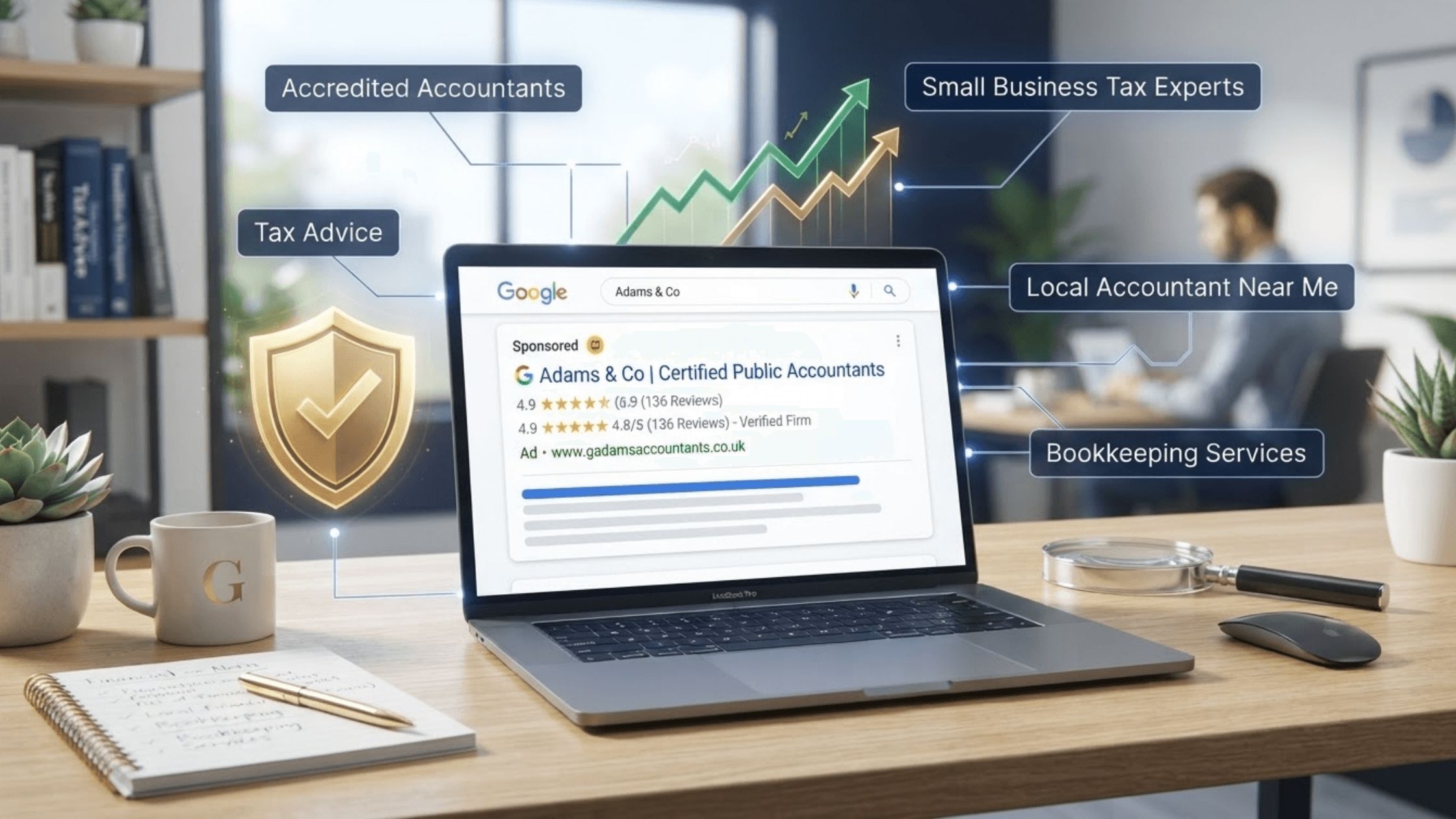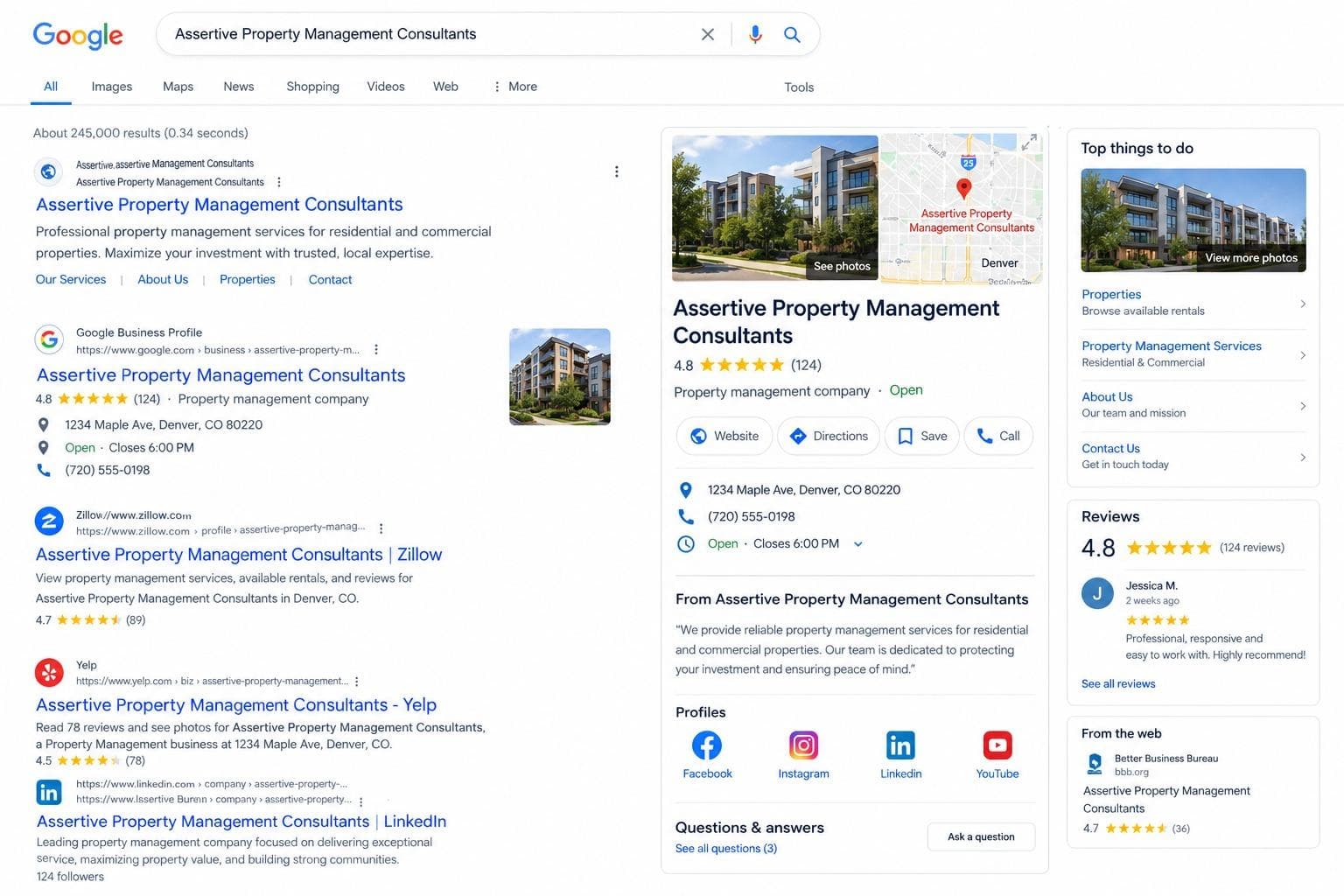












Google search is changing for e-commerce websites because of Google AI Overviews. In the past, ranking high in organic search meant consistent, reliable website traffic, but AIOs are affecting online retail click-through rates (CTR) in many ways.
This doesn't mean that traditional search result rankings have no weight, but it does mean the customer journey has become more nuanced.
AI is transforming where clicks happen, the searches that generate them, and what potential customers expect when they click onto your website. Discover how to navigate AI Overviews and ensure sustained retail sales in an increasingly complex search ecosystem in this guide.
TL;DR
AI Overviews are reducing organic click-through rates, particularly for informational searches, meaning e-commerce brands can see traffic fall even when rankings remain stable.
Commercial and transactional searches still create opportunities for clicks, especially when users need to compare products or make a purchase.
The customer journey is becoming shorter, with AI answering early research questions before shoppers reach retailer, category, or product pages.
Informational content still matters, but retailers should prioritise useful, decision-focused content with strong E-E-A-T signals instead of generic posts that AI can easily summarise.
Product data and attributes are increasingly important as AI-powered search handles more specific, conversational shopping queries.
SEO and AEO should work together. Strong rankings, topical coverage, structured data and authoritative content can improve visibility across traditional search and AI experiences.
Traffic shouldn't be your only KPI. Track impressions, CTR, AI visibility, branded searches and conversions to understand how search contributes to the wider customer journey.
What Are Google AI Overviews?
Google AI Overviews are AI-generated answers that appear in online search results. They work by collating information from different sources to answer user queries.
For example, if someone types "What's the best type of mattress for a stomach sleeper?", an AIO will answer the query, with traditional search results typically appearing under it.
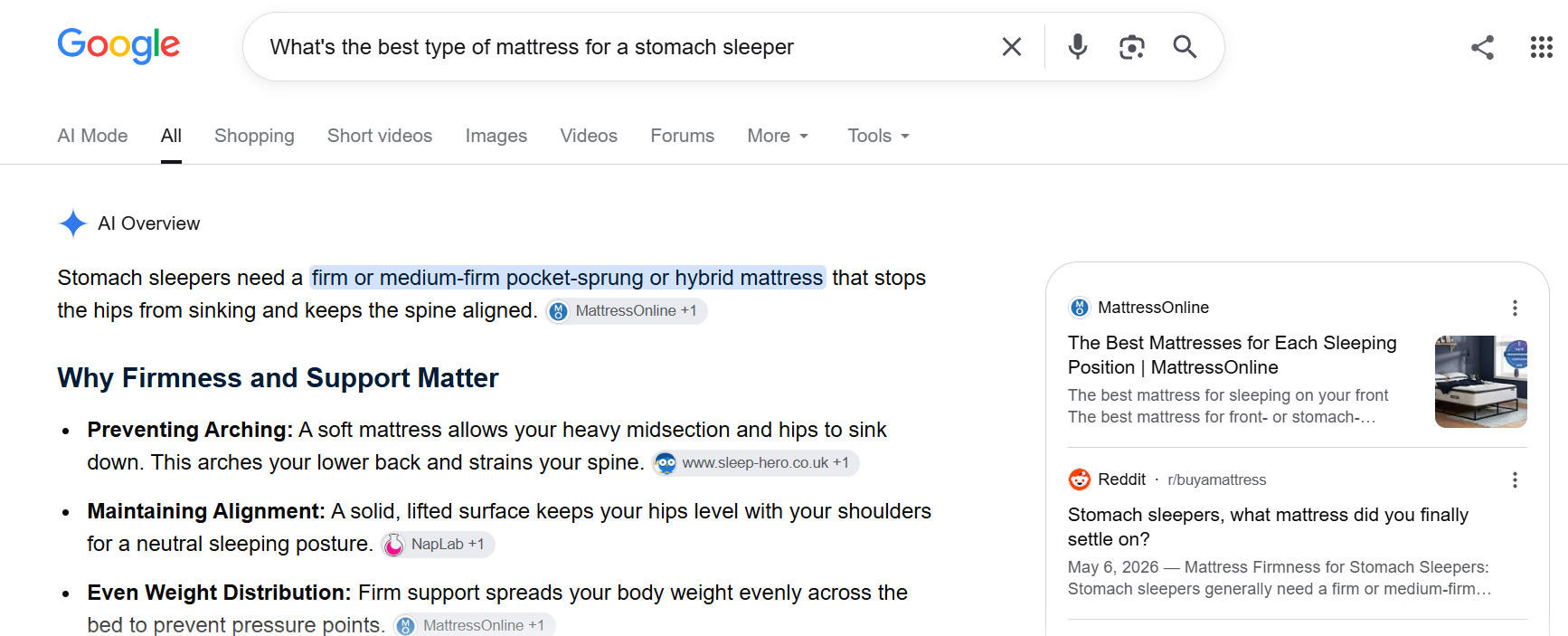
As you can see, the overview clearly summarises different characteristics and why firmness and support matter for stomach sleepers, but it also provides mattress recommendations with links to the sources it cited.
Instead of scrolling through pages of website links, users can read the overview and click on the cited sources.
Google's AI Mode
Aside from providing direct answers, AIO's are also a pathway into Google's AI Mode, where users can ask more questions or get recommendations.
For example, if a user types "Tell me which mattress brands meet my needs" into the Ask Anything box, it offers suggestions with links to brands like Simba and Nectar Sleep.
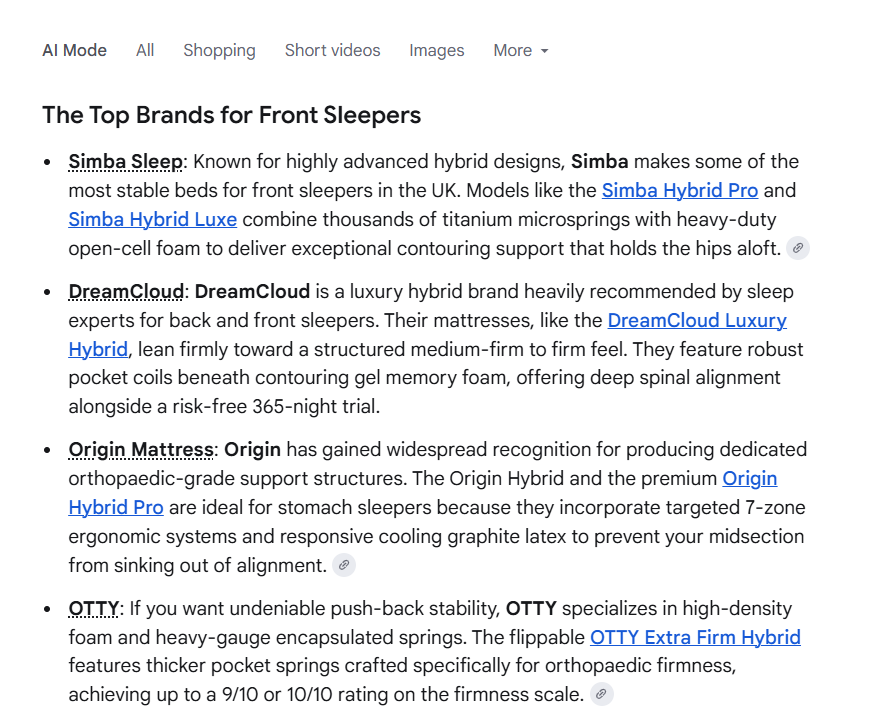
So, while this doesn't automatically mean that AI is destroying CTRs for online retailers, the brands that don't appear in these results will have a harder time attracting potential customers to their website.
Are AI Summaries Reducing Website Clicks?
Research shows that AI Overviews are reducing click-throughs, with the highest rates seen in informational searches.
A 2025 Ahrefs study analysed 300,000 keywords and concluded that AI Overviews result in an estimated 35.4% CTR for pages ranking in position one of the SERPs. The brand updated its research in 2026, highlighting an average 58% impact (Ahrefs 2026 Study).
However, this study focused mostly on informational queries, so the implications for e-commerce brands aren't clear.
Pew Research Center used a different methodology to assess organic search traffic and came to a similar conclusion: 15% of people clicked on an organic website result when AIOs didn't appear, but this number reduced to 8% with AIOs.
Despite This Research, Google Has a Different View
In August 2025, Google claimed that overall organic click volume had remained relatively stable each year and added that click quality has increased.
The platform said people are using Google Search more often, asking more complex questions, and that websites have an opportunity to gain more visibility (Google AI Search Report).
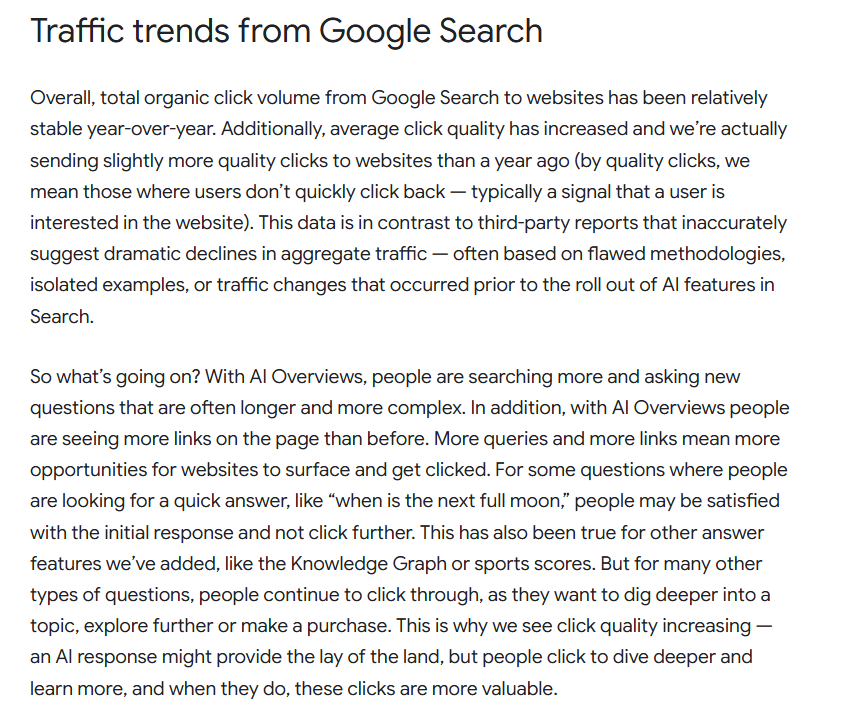
Of course, Google's claims focus on traffic aggregates across its entire ecosystem, instead of zero-click searches from AIOs.
Informational Queries Result in Fewer Clicks for E-Commerce Sites
Interestingly, not all keywords face the same vulnerability to AI Overviews.
If someone types in an informational search like "How often should I replace my running shoes" or a commercial query such as "Best running shoes for flat feet", both searches result in AIOs, but the commercial intent query also brings up shopping results.
However, transactional queries like "Buy Brooks Adrenaline GTS 25 UK" don't trigger AI Overviews.
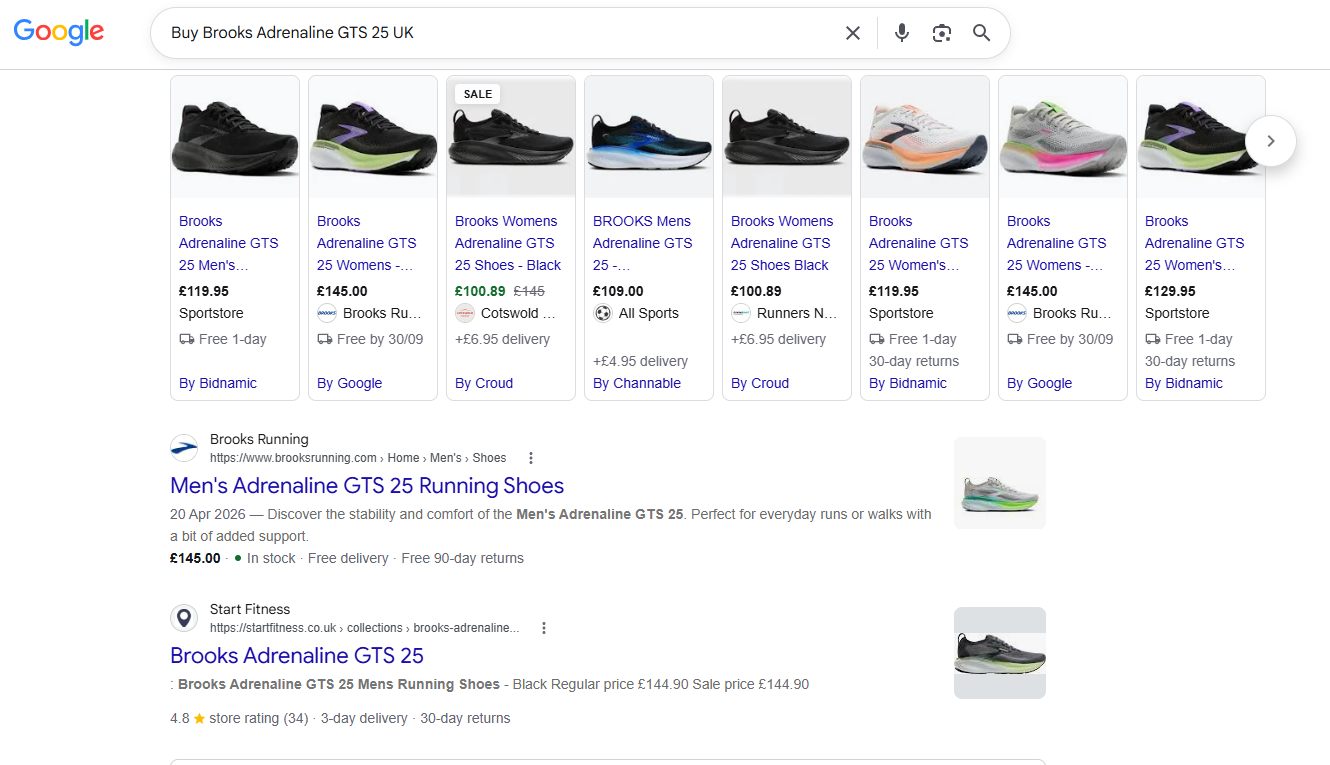
When someone performs an informational search, they're looking for an answer to their question, while commercial queries can show both AIOs and shopping results.
The Takeaway: E-commerce businesses with informational content may struggle to obtain organic search traffic, but commercial and transactional queries can still drive clicks.
How Can Rankings Stay Stable if Clicks Are Decreasing?
The new search landscape is confusing because clicks can decrease while rankings remain stable.
For example, if an informational guide ranked second and retains its position a year later, despite lower CTRs, Google may be displaying more authoritative sources.
So, rankings might not change, but the search environment surrounding them has. That's why it's vital to measure rankings, CTR, and impressions together, instead of focusing only on traffic.
Is Artificial Intelligence Changing the E-Commerce Customer Journey?
AI isn't eliminating the e-commerce customer journey, but it is changing where the journey starts and ends.
The traditional customer journey typically followed this process:
Google search → buying guide → category page → product page → purchase
AI-powered searches can compress the early stages of a search:
Google search → AI Overview → retailer/product page → purchase
In some cases, the customer might land on your website later on in their decision-making process, which reduces the number of visits you attract from upper-funnel content.
Google says clicks from AI searches can be higher quality, but remember those claims come from the company's internal data, not independent research from trusted third parties.
How is AI Search Impacting E-Commerce Content?
Even though AI Overviews are changing how users search and click, it doesn't mean that you should stop producing informational content, as it still establishes authority and can help you appear in searches - but it's no longer about getting people to click on those blue links.
However, the content you produce needs to offer more value. Instead of generic posts and listicles, informational content should help shoppers make decisions and align with E-E-A-T principles.
Instead of creating blogs like "What are loop pile carpets", focus on helpful content that isn't so easy for AI to summarise, such as "Loop pile carpet vs Saxony carpet for homes with pets."
Category and Product Pages are Still Vital
Every online retailer aims to be the solution potential buyers are looking for. Category and product pages are closer to purchase, which makes them especially valuable for turning traffic into sales.
Google has made it clear that it will continue to develop AI-powered experiences for users, including simpler shopping.
For retailers, this could mean Merchant Center reporting that enhances your understanding of how your brand is appearing across the platform's AI ecosystem, including AI Overviews, Gemini, and AI Mode.
The connection between product discovery and AI search means that category pages should be well organised, while product pages need to leverage structured data, with clear product attributes.
Product attributes matter because of how people use AI search. It's easier today to type in long-tail and hyper-specific queries like "Red halter dress above knee under £300" and see relevant results:
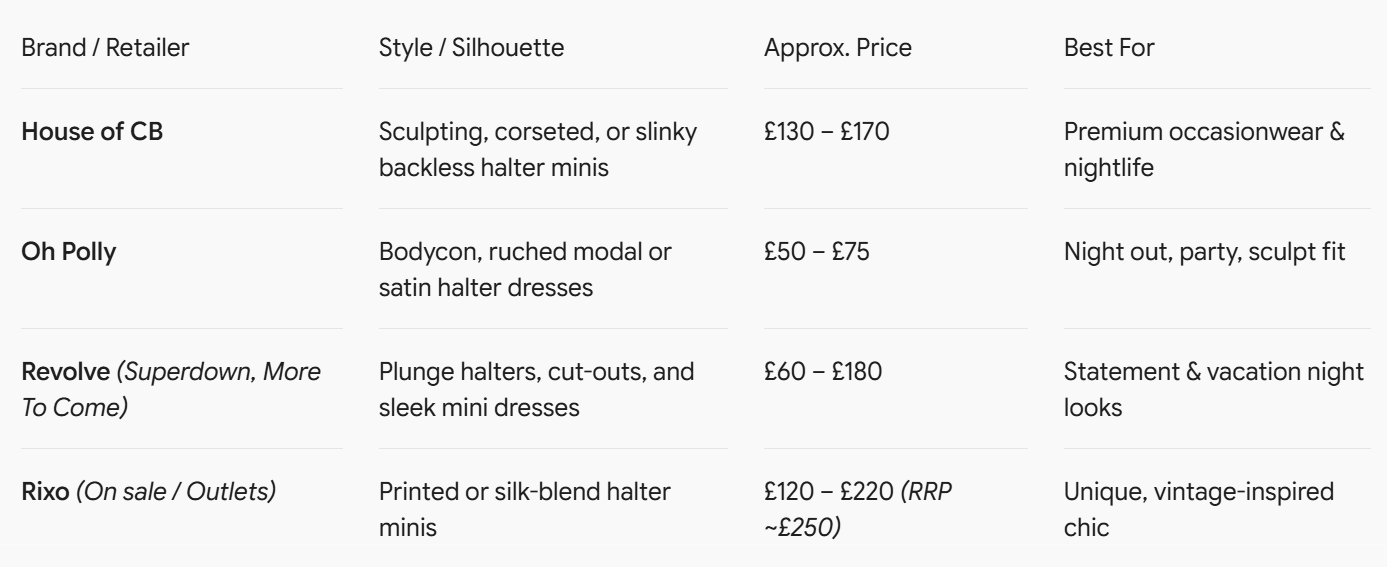
But if you don't add accurate attributes to your products, Gemini and AI Mode won't find and cite the product - even if it's a perfect match.
Adapting Your SEO Strategy to Include Answer Engine Optimisation (AEO)
Traditional SEO (search engine optimisation) remains central to organic clicks and visibility, because Google still uses search results pages when deciding which websites to cite.
Research from Ahrefs found that 38% of websites that appear in AIOs are in the top 10 SERP positions, but this also means lower-ranking websites have an opportunity to be cited as sources.
Technical and on-page SEO elements are still a core part of any strategy, because AIOs and Google's AI Mode are more likely to trust E-Commerce brands with website authority. The main area you should focus on is adapting your strategy for Answer Engine Optimisation.
Move Beyond Standard Keywords
AI can understand more in-depth, conversational queries, and it uses query fan-out to search across sub-topics before generating a response.
This means that low-value blog content that focuses on terms like "Children's football boots" isn't enough, as you should focus on broader decision terms, including:
"The best children's football boots for grassroots games"
"What to look for when choosing indoor football boots for children?"
"How much should I spend on children's football boots?"
The more topical coverage you provide, the more likely you are to appear in AIOs.
Website Traffic Is Just One Metric
Website traffic is still vital, but there's a distinct difference between traffic and visibility. You could get lots of brand mentions without attracting website clicks, but a potential customer might remember your name through these searches.
So when it comes to actually making a purchase, the user might type your name into Google, which means that you're generating branded searches. Or, they might visit through a different channel.
As Google Merchant Centre continues to roll out new AI performance insights, it will be easier for global brands to track user journeys across channels.
Key Takeaways
It's no secret that AI Overviews are challenging for retailers - particularly those that relied on traffic from informational queries. Around 81% of online searches now trigger AI Overviews, and even if your rankings are stable, you might notice less traffic.
But shoppers still need products, and online retailers still have plenty of opportunities for long-term growth, so it's more about adapting to new trends than winning clicks at every stage.
Producing content that has clear E-E-A-T signals can increase your chances of appearing in AI Overviews, and diversifying your brand coverage across channels like YouTube, Wikipedia, and Reddit can also lead to more citations.
Ultimately, it's about being willing to optimise for AI and staying competitive. Because if you don't adapt to the new search landscape, you're already falling behind.
If you're ready to enhance your brand's visibility and increase sales, Assertive's bespoke retail and e-commerce SEO services will prepare you for the future. Please contact us today for a free proposal.