










Paid advertising can generate fast traffic and quick sales for eCommerce brands, but it is no longer enough on its own to sustain long-term growth. SEO remains essential because it helps online stores build consistent visibility, reduce customer acquisition costs, strengthen trust, and appear in both traditional Google search results and AI-powered search experiences.
As advertising costs continue to rise and AI search tools reshape how users discover products, eCommerce brands that rely only on paid campaigns risk losing visibility once ad budgets stop. SEO helps brands maintain ongoing traffic, improve product discoverability, and create a stronger digital presence across search engines, AI Overviews, and conversational search platforms.
Why Paid Advertising Alone Is Becoming Riskier for eCommerce Brands
Many online stores rely heavily on Google Ads, Meta Ads, or TikTok campaigns because they produce immediate results. However, paid traffic has become increasingly expensive and competitive.
Common challenges include:
- Higher cost-per-click (CPC)
- Lower return on ad spend (ROAS)
- Increased competition in shopping ads
- Ad fatigue from repeated campaigns
- Traffic disappearing once budgets pause
For many eCommerce businesses, this creates a cycle where visibility depends entirely on ongoing advertising spend.
SEO works differently. Organic visibility continues generating traffic even after content is published and optimised. This creates a more sustainable marketing channel that supports long-term business growth.
SEO Helps eCommerce Brands Build Long-Term Organic Traffic
One of the biggest advantages of SEO is sustainability.
A well-optimised product page, category page, or buying guide can continue attracting traffic for months or years without ongoing advertising costs.
For example, customers often search for:
- best running shoes for flat feet
- affordable office chairs for small spaces
- skincare products for sensitive skin
- eco-friendly kitchen accessories
If an eCommerce website ranks organically for these searches, it can attract highly targeted buyers consistently.
Unlike paid ads, organic rankings continue working even when advertising campaigns are reduced.
AI Search Is Changing How Customers Discover Products
Search behaviour is changing rapidly.
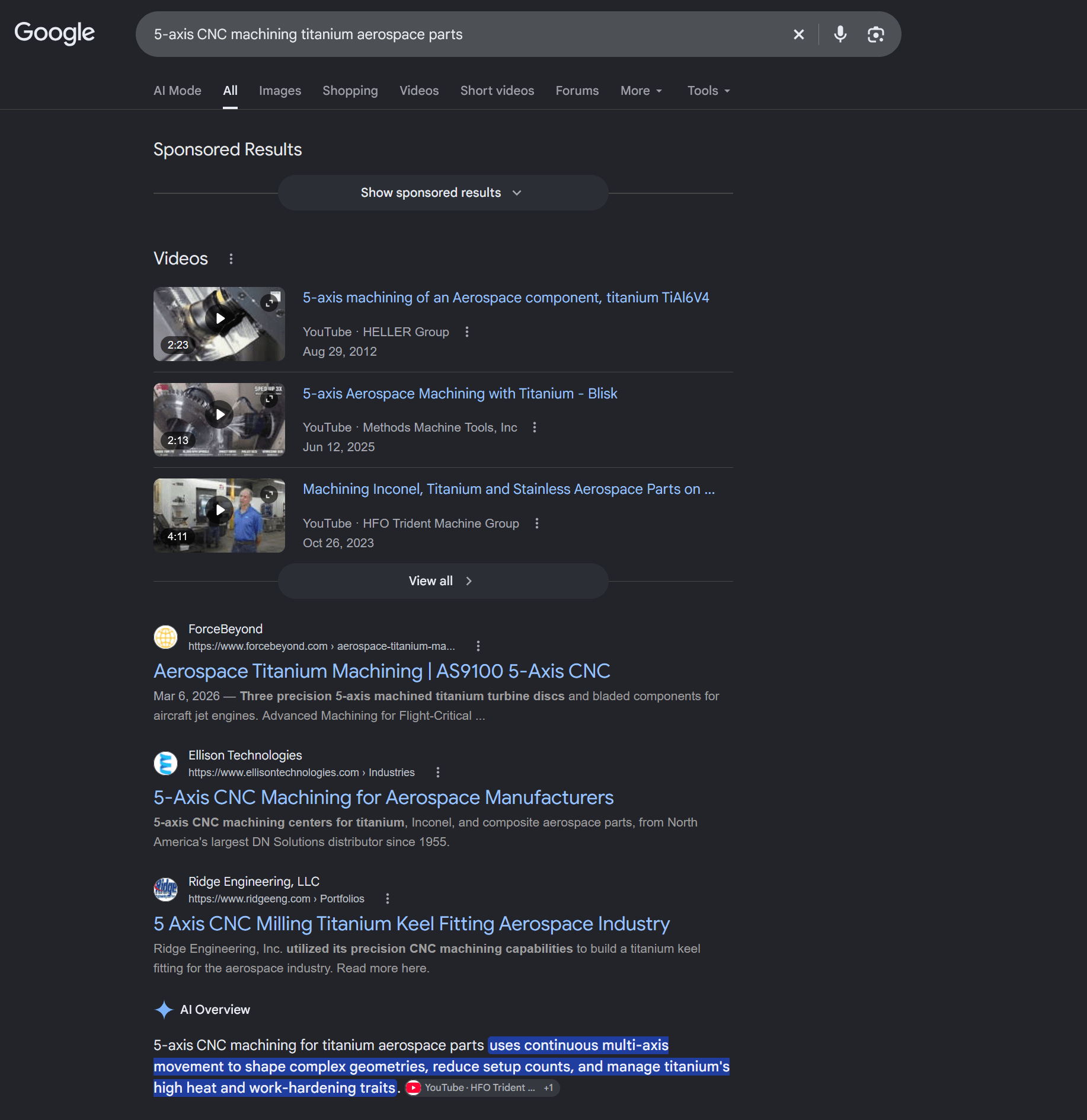
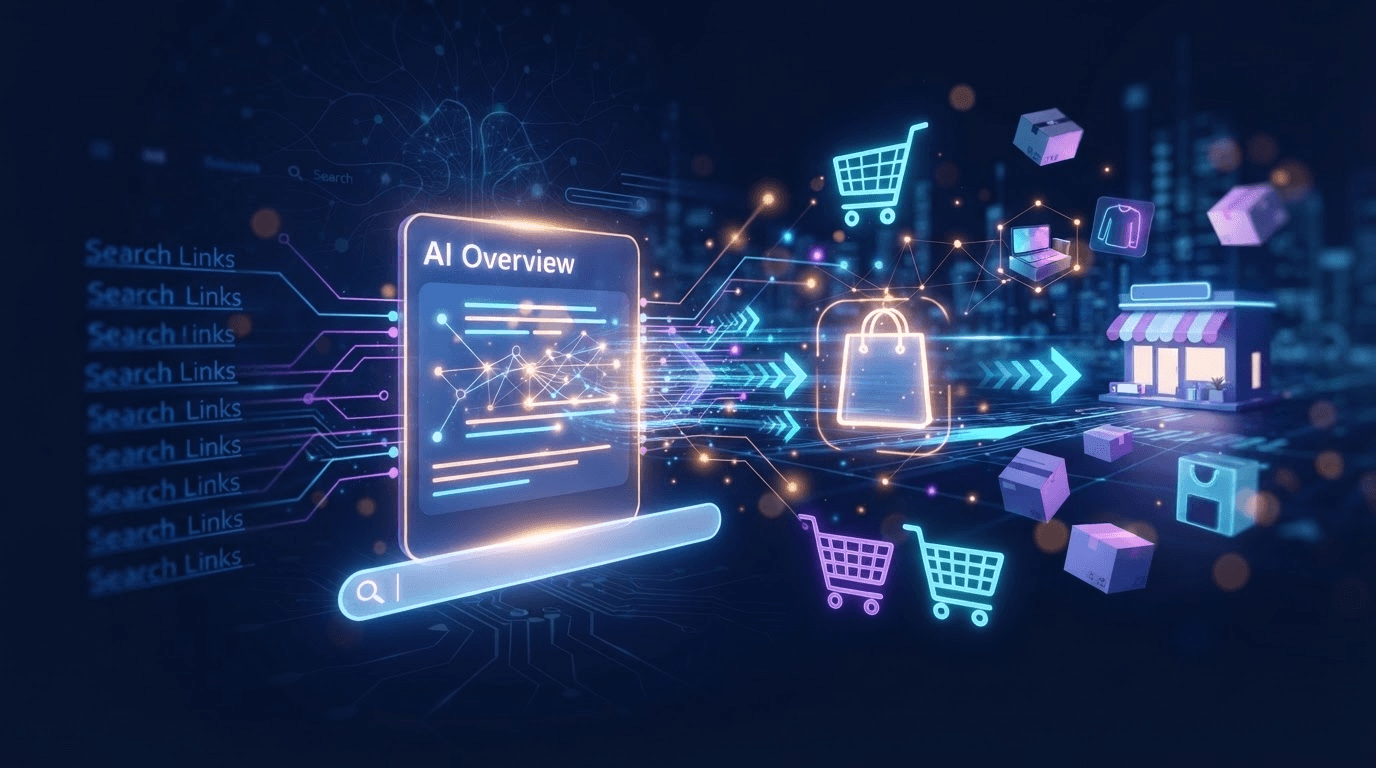
Google AI Overviews, ChatGPT, Gemini, and other AI-driven search experiences are increasingly answering user questions directly within search results.
This means eCommerce brands need content that is:
- answer-focused
- well-structured
- highly relevant
- trustworthy
- easy for AI systems to understand
SEO now goes beyond ranking in traditional search engines. It also helps brands appear in:
- AI-generated summaries
- conversational search responses
- featured snippets
- People Also Ask sections
- voice search results
Brands without strong SEO foundations may struggle to appear in these newer search environments.
SEO Supports Product Discovery Throughout the Customer Journey
Most online shoppers do not purchase immediately after seeing an ad.
Customers usually research products first by comparing:
- prices
- reviews
- features
- alternatives
- sizing guides
- shipping information
- product quality
SEO allows eCommerce brands to create content that supports every stage of the buying journey.
Examples include:
Informational Searches
- how to choose the right gaming monitor
- what size suitcase is best for international travel
Comparison Searches
- standing desk vs traditional desk
- leather sofa vs fabric sofa
Transactional Searches
- buy ergonomic office chair online
- best deals for wireless headphones
This broader visibility helps brands attract customers before competitors do.
Organic Search Builds Greater Brand Trust
Many users skip advertisements and prefer organic results because they view them as more trustworthy.
Appearing organically can improve:
- brand credibility
- customer confidence
- perceived authority
- repeat traffic
When customers repeatedly see a brand in search results, guides, FAQs, and AI-generated answers, it strengthens familiarity and trust.
This is especially important for newer eCommerce brands competing against larger retailers.
SEO Can Reduce Customer Acquisition Costs Over Time
Paid advertising often becomes more expensive as competition increases.
SEO can help balance acquisition costs by generating ongoing traffic without paying for every click.
Over time, this can improve:
- marketing efficiency
- profitability
- return on investment
- customer lifetime value
Many successful eCommerce brands now combine:
- SEO for long-term growth
- Paid ads for immediate campaigns
- Content marketing for authority
- AI search optimisation for future visibility
This integrated approach creates more stable traffic sources.
What Modern eCommerce SEO Looks Like in 2026
SEO for eCommerce has evolved significantly.
Modern strategies now focus on:
AI-Friendly Content Structure
- clear headings
- concise answers
- FAQ sections
- entity-based optimisation
User Experience
- fast mobile performance
- easy navigation
- strong product filtering
- clean checkout experiences
Topical Authority
Brands need content clusters around:
- product categories
- industry topics
- customer questions
- buying advice
Structured Data and Schema
Schema helps search engines understand:
- products
- pricing
- availability
- reviews
- FAQs
Helpful Content
Google increasingly prioritises:
- genuine expertise
- useful information
- experience-driven content
- trustworthy recommendations
Why the Best eCommerce Brands Combine SEO and Paid Advertising
SEO and paid advertising work best together, not against each other.
Paid ads can:
- generate immediate traffic
- support product launches
- retarget previous visitors
- promote seasonal campaigns
SEO can:
- build sustainable visibility
- reduce long-term acquisition costs
- improve trust
- increase organic conversions
- support AI search discoverability
Brands using both channels strategically often achieve stronger long-term growth than brands relying on only one traffic source.
Building Sustainable eCommerce Growth Beyond Ads
The eCommerce landscape is becoming more competitive, more AI-driven, and more expensive for brands relying entirely on advertising.
SEO remains one of the most valuable long-term investments because it supports visibility across Google search, AI search experiences, and customer research journeys.
As consumer behaviour continues evolving, eCommerce brands that invest in SEO alongside paid advertising are more likely to achieve sustainable traffic growth, stronger brand authority, and better long-term profitability.
FAQs
Is SEO better than paid advertising for eCommerce?
SEO and paid advertising serve different purposes. Paid ads generate immediate traffic, while SEO supports long-term organic visibility and sustainable growth. Most successful eCommerce brands use both strategies together.
Can eCommerce brands rely only on paid ads?
Relying only on paid advertising can become expensive over time. Once ad campaigns stop, traffic usually drops immediately. SEO helps maintain ongoing visibility and reduces dependence on advertising spend.
Why is SEO important for Shopify and eCommerce websites?
SEO helps Shopify and eCommerce websites improve product discoverability, attract organic traffic, and appear in search engines and AI-driven search experiences.
Does SEO help reduce customer acquisition costs?
Yes. SEO can lower customer acquisition costs over time because organic traffic does not require paying for every click like paid advertising campaigns do.
How does AI search affect eCommerce SEO?
AI search tools such as Google AI Overviews and ChatGPT prioritise well-structured, helpful, and trustworthy content. SEO helps eCommerce brands improve visibility within these AI-powered search experiences.
What type of SEO content works best for eCommerce brands?
Buying guides, FAQs, comparison pages, product category content, and answer-focused articles tend to perform well because they align with customer search intent and AI search behaviour.