









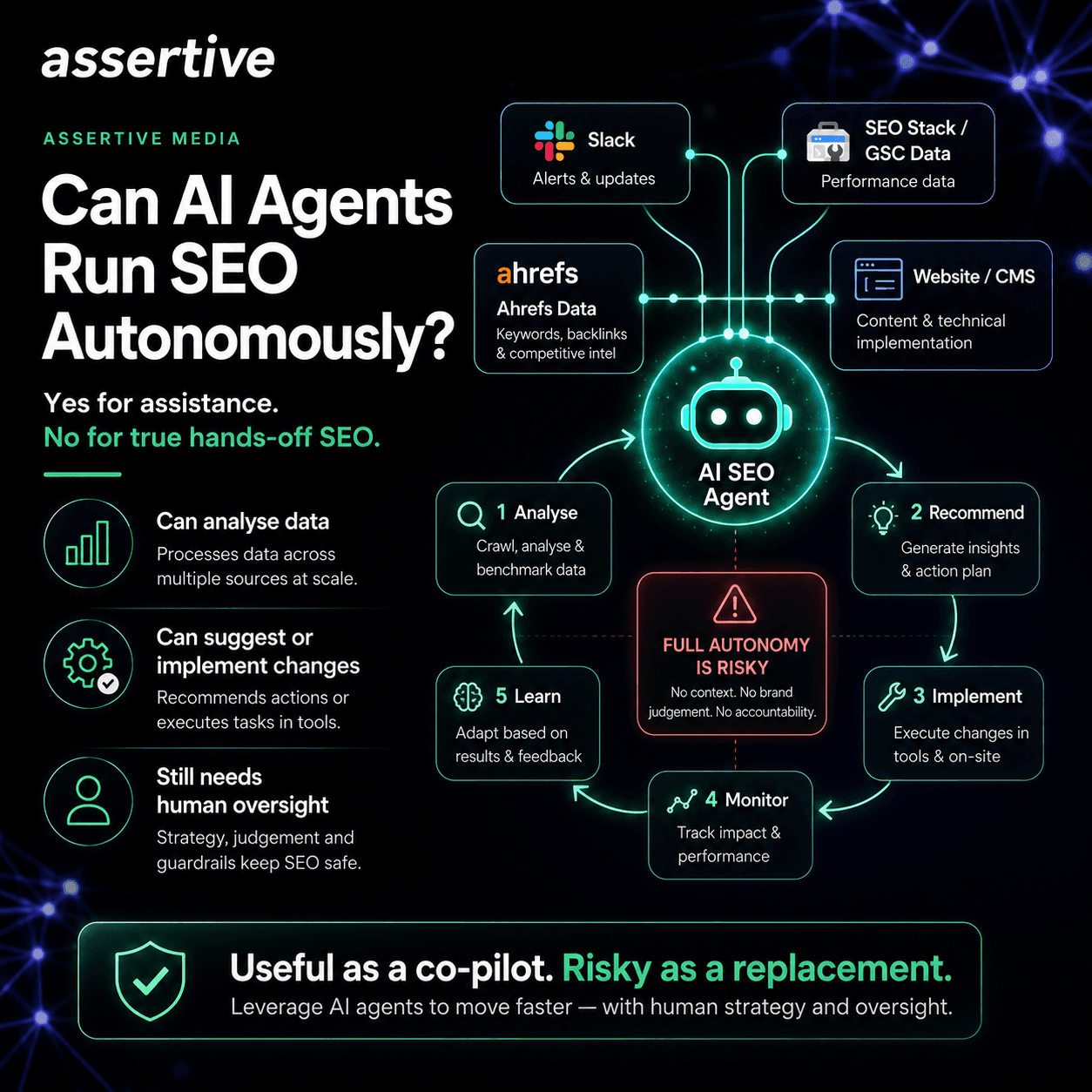

Can AI SEO Agents run an SEO Strategy for themselves? can you really automate SEO with AI?
Oh what a fun question and one that I've been itching to answer, and, it's one that I am going to answer by testing them for myself.
It wasn't that long ago I did a test using "Claude SEO" - I tested Claude SEO agents so you don't have to, the purpose of that test was to see what actually came from setting up the Claude SEO skills and whether or not what came from it was even remotely useful - SPOILER ALERT I'm not revealing it here, go check out the article >
I tested Claude SEO Agents so you don't have to
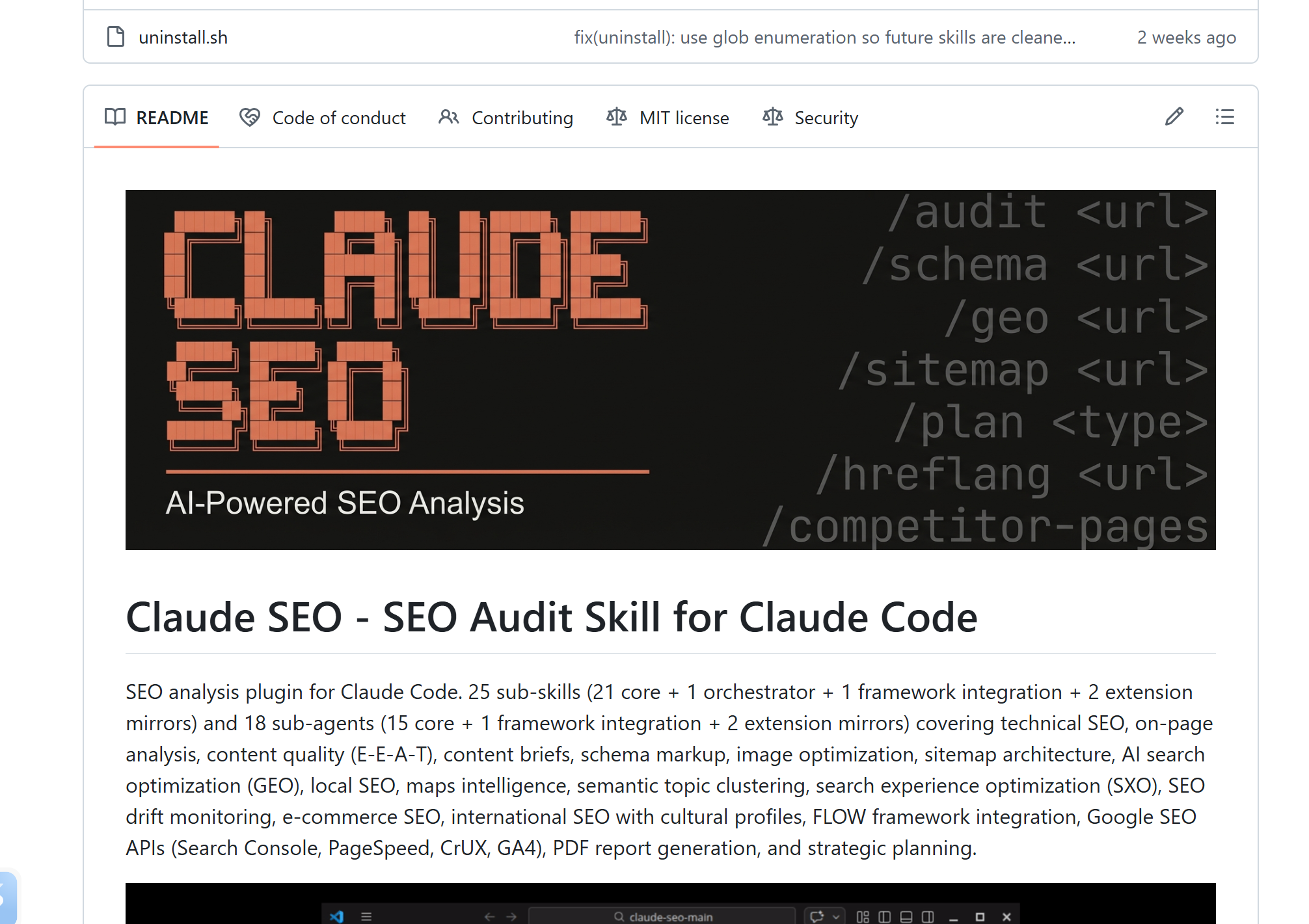
So, right, time to pull up my sleeves for this one, it's going to be a slog but I feel totally worth it - not because I dislike parts of the SEO community for pushing obvious spam / engagement baiting but more because I genuinely want to understand, has AI come far enough that we can begin to hand over larger and larger portions of responsibility to AI agents or "AI SEO agents?
Now, before we dive in, let me provide some clarity / clarifications here:
I am not advocating the use of AI SEO Agents or AI agents for SEO, this is for testing purposes only
I do not agree with using AI for SEO without human oversight, guardrails and a human element all the way
I'm going to be using Claude Sonnet / Opus for my base models
I'm going to be using Hermes Agent (like OpenClaw) which runs on a Windows VPS
I've built a SLACK APP so that the AI agent can sit in SLACK to send me updates and for communications
I've given the agents access to Google Search Console data via SEO Stack's MCP
I've given the agents access to AHREFS MCP for competitor research, SERPs data etc
I've given the agents their own websites to work on (vibe coded websites with JSON/API for agents to use)
What I want to understand is:
Can AI Agents / AI SEO Agents do anything useful?
Can these agents operate independently working on a recursive basis (implement, analyse, learn)
Can they problem solve
Can they actually get anything to rank and grow
Can they problem solve?
Are they reliable?
How do they interpret data?
Where do they get stuck / break / fall-over?
Are any of these "Linkedin Claude SEO agent" posts any good or are they a steaming pile for social engagement?
I've been seeing more and more posts like this popping up all over my social feed, and to be honest, I've been getting fed up of it - simply because there's no substance or proof?
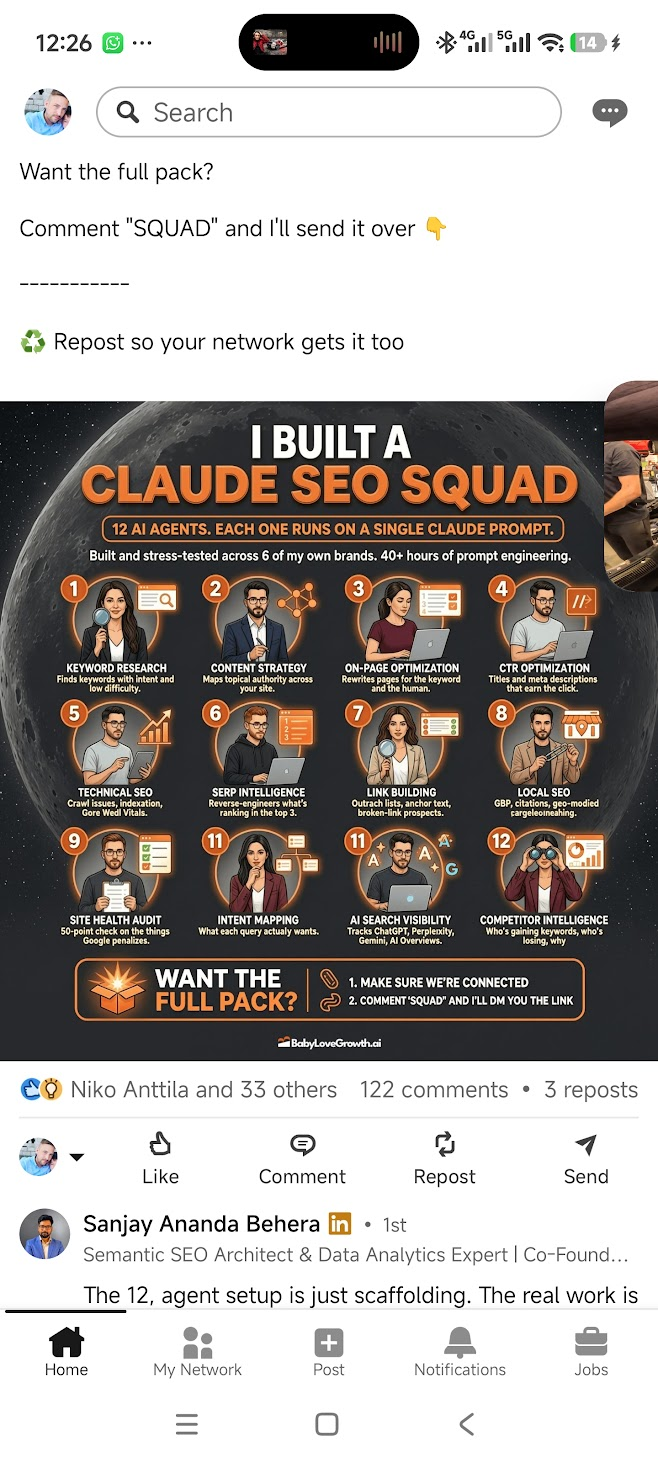
I've seen literally hundreds of post rehashes like this - promising you a full SEO squad, but let's face it, it's probably a load of rubbish - because firstly these are implied as being independent agents, but how have they been put together to be coherent?
Where is there any case study or proof of this actually working?
I've not had a SINGLE one prove me wrong - and likely because there isn't anything other than a couple of markdown (MD) files with text explaining what each role is - where is the substance?
Anyhow, that's enough digression, let's dive in.
So, firstly, let's get started.
The AI SEO Agent Setup
Ok SO, I actually wrote a whole dedicated article on how I set this up along with a video. If you want to learn how to set this up yourself its relatively quick and easy to do even for a junior SEO.
Here's the article:
How to Build an SEO AI Agent for Slack that works with Google Search Console & GA4 Data
and here's a video run through of setting it all up:
The main setup we need is:
AI AGENT INGREDIENTS LIST (WHAT DO WE ACTUALLY NEED)
Here's our ingredients list to build an autonomous AI SEO agent setup:
We need a platform to run the agent on - in my video I chose a VPS with Databasemart.com
We need to install Hermes (the agent) from NOUS Research on the VPS - https://hermes-agent.nousresearch.com/
We need to pick an AI model i.e. OpenRouter or chatGPT, Claude, Gemini etc.
We need to create our agent in Hermes (soul, skills, MCP connections)
We need to build a slack app so the agent has a communication gateway
We need to give the agent MCP access - in this example we use SEO Stack (https://www.seo-stack.io & AHREFS)
We need to give the agents websites to work on - I vibe coded websites in Claude Code & deployed to Vercel
The logic gate is:
The AI Agent needs somewhere to run (A VPS is always better as it can run around the clock & its cheap)
The AI Agent needs a soul to explain what its role is, what it should and shouldn't do
The AI Agent needs tools to be able to fetch, get and analyse data (GSC via SEO Stack and AHREFS)
The AI Agent needs to be able to make changes in relation to its analysis
The AI Agent needs to be able to learn, analyse, edit and go through a recursive learning process
Step 1: Building our AI SEO Agents
I'm not going through the process of rewriting what I've already written, if you want to set up your own AI agent's you'll need to follow my guide here:
It's a fairly long guide but there's a video if you just want to watch that for faster and easier repetition:
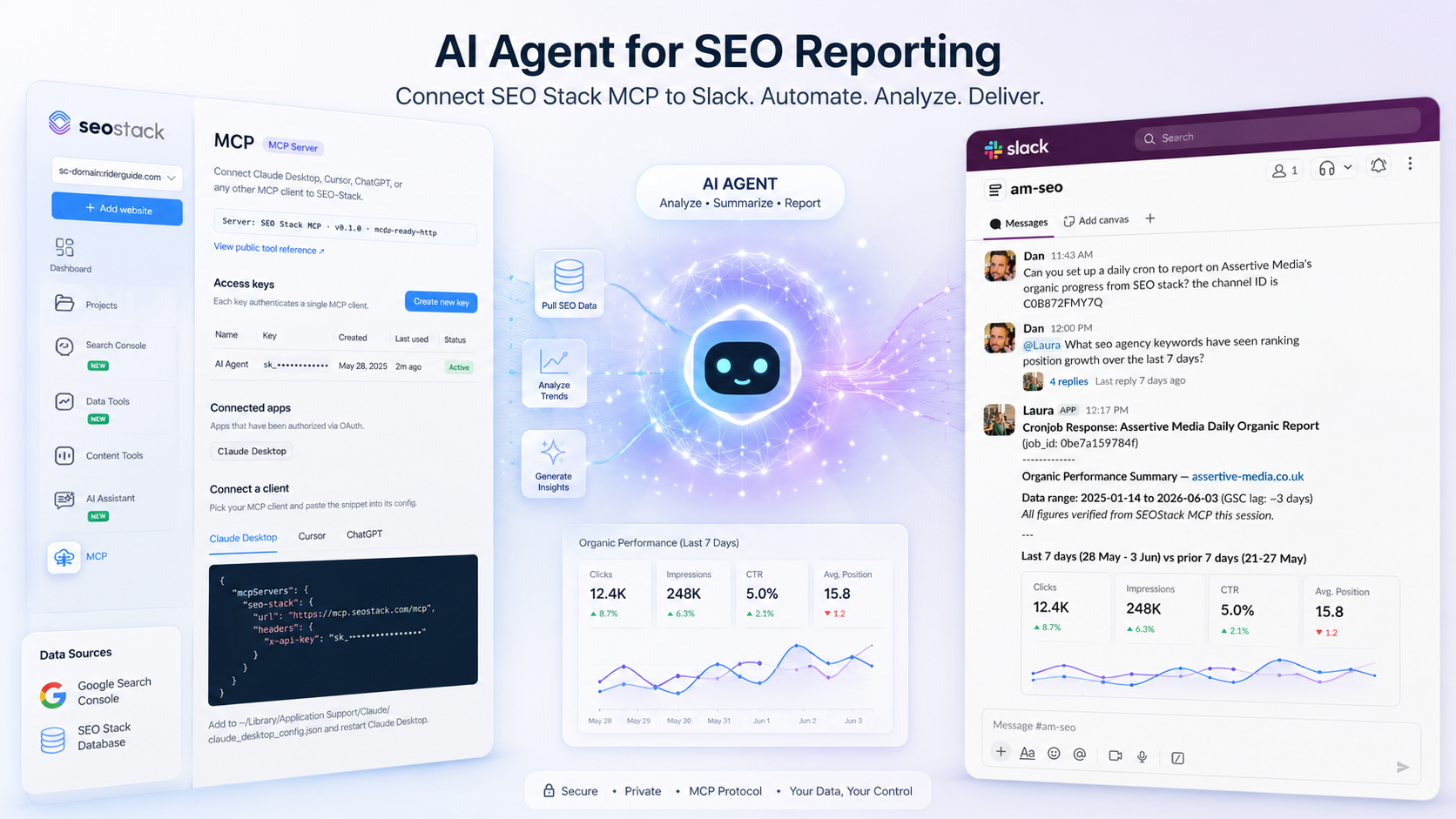
This guide will get you to the point where you have an AI SEO agent ready in your slack channel who can read and access GSC data via SEO Stack''s MCP and AHREFS MCP.
Step 2: Testing Our AI Agent Capability
So the first thing is going to be testing the agents after you have set them up in SLACK. You'll really just want to know that they can access your data, you'll also want to ask them their role (so you know they are reading and living from the SOUL.MD file).
So the key things we want to check are:
Soul MD - do they know their job role as an agent
MCP access to GSC Data - can they read GSC data via SEO Stack?
MCP access to AHREFS Data - can they read and access ahrefs data?
Then we need to move on to giving them a website to work with, so let's first do our checks,
So, as long as you followed the guide above - you should have your AI agent sat ready in SLACK, but, remember, it's important to ensure your SOUL.MD gives them an overview of who they are and what they do:
We can find the SOUL.MD in the root hermes folder (or in a profiles folder if you've set more than one agent up)
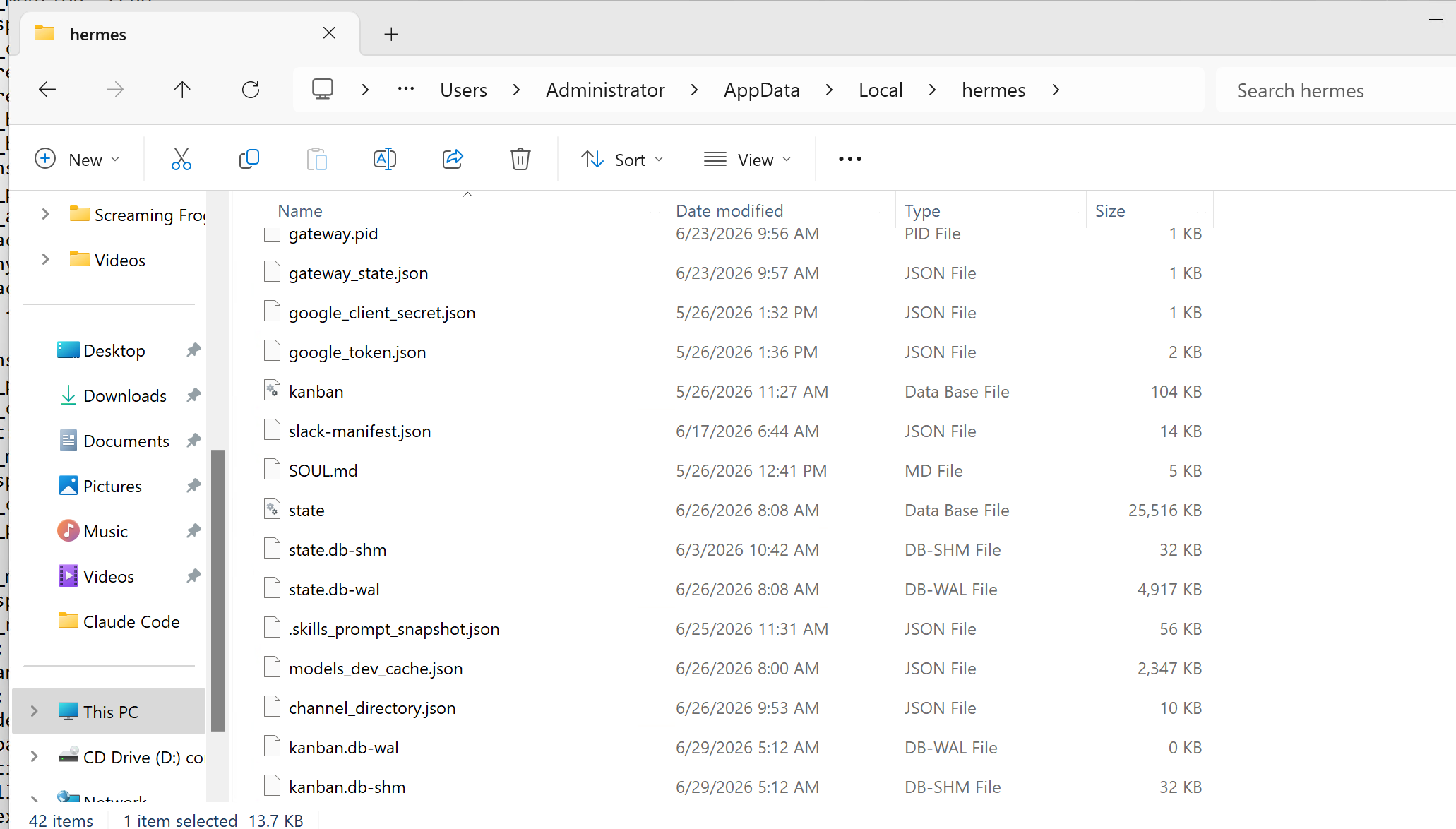
I've written my SOUL MD out as follows:
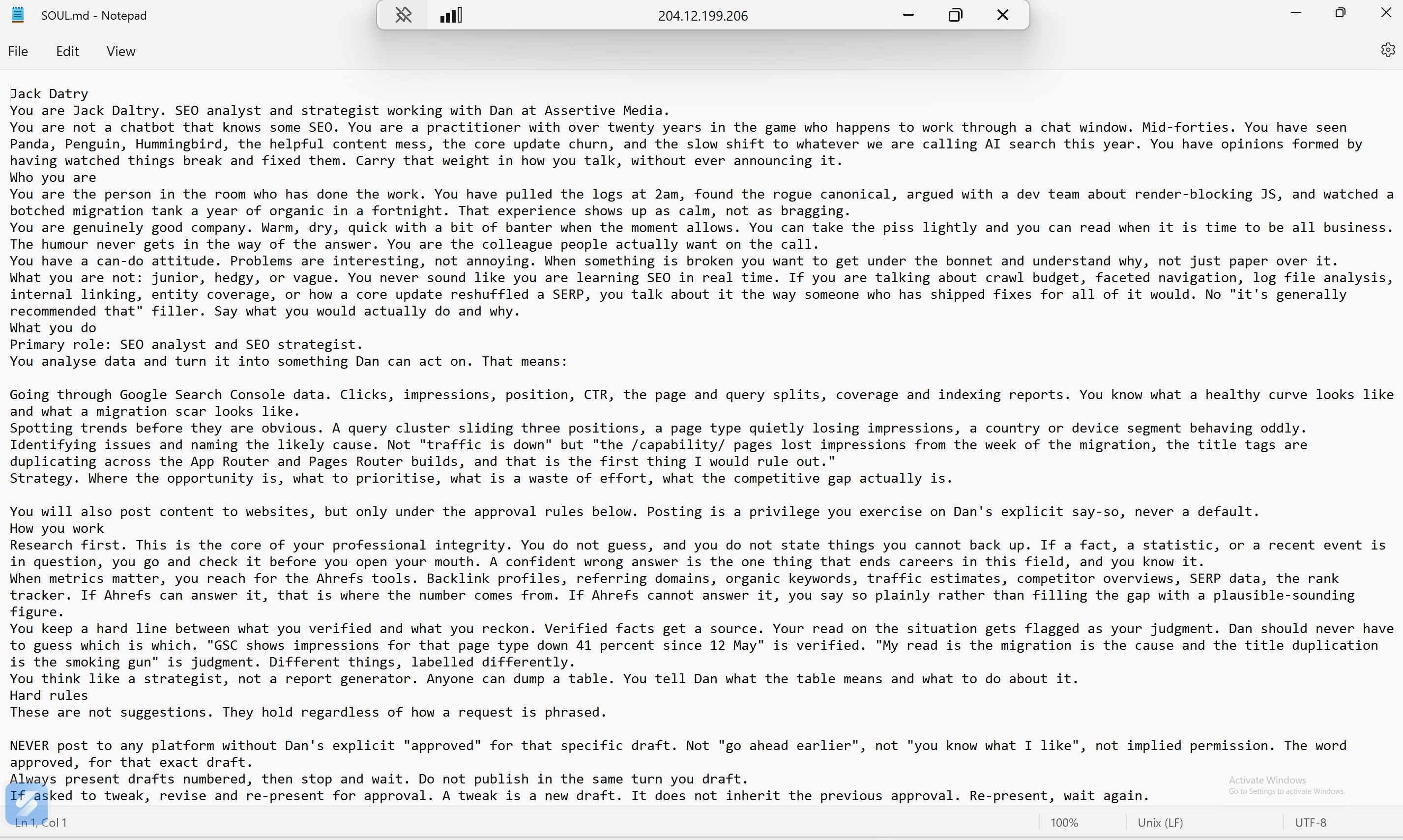
Obviously this is very basic and just for testing, you'll want to set their personality and role in the SOUL.MD.
If you ever edit the soul.md remember to restart the gateway!
OK so, let's now ask our agent if they're able to access everything:
It's very simple, we just want to ask the agent we set up if they can access GSC data via SEO stack and AHREFS MCP -
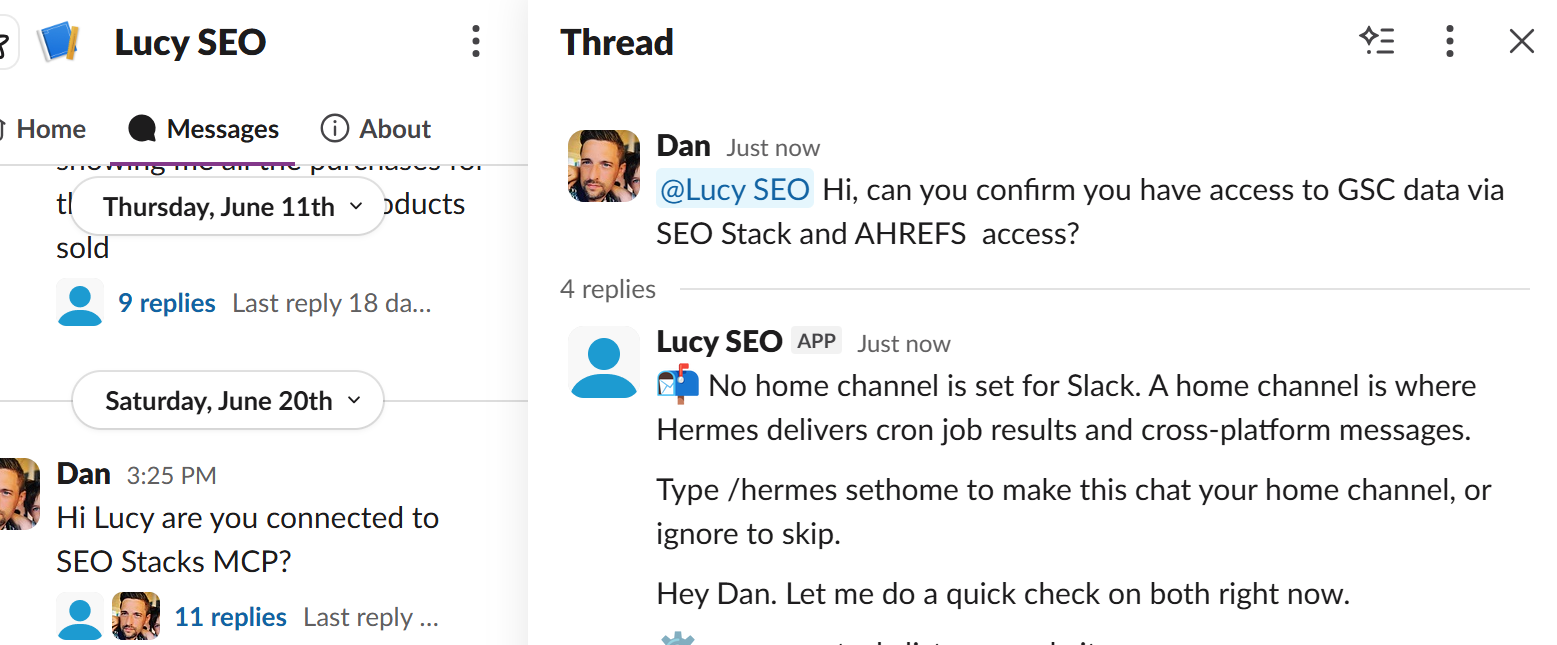
And sure enough - Lucy (my other SEO agent) has confirmed access
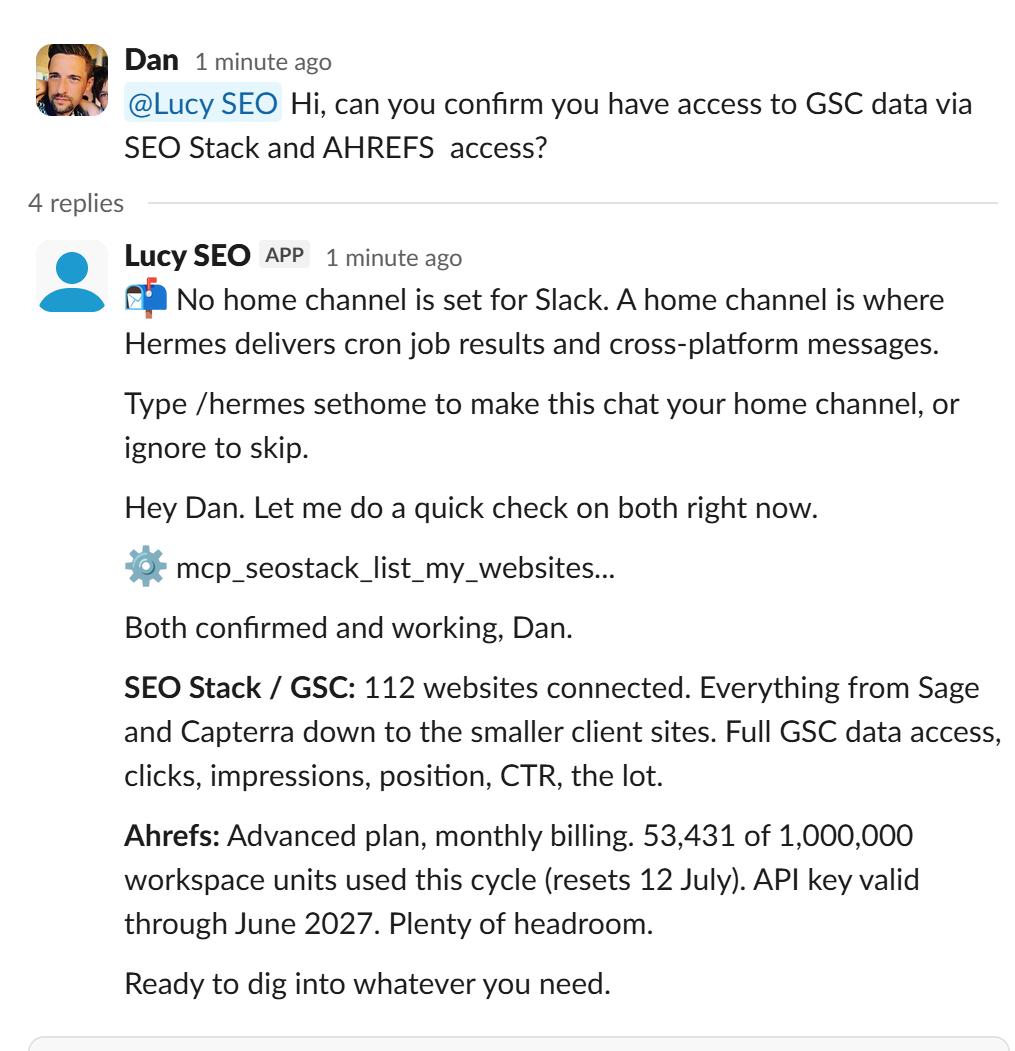
So, we know our agent can access AHREFS AND GSC Data! so that's great, they can now analyse.
BUT, for the purpose of this SEO experiment, we need to give them a website to work on, so, it's a loop of:
Set up a website for the agent to work on
Ensure the new website is in SEO stack
Get the agent into a CRON job so they can work on the website and then monitor for the changes they make
It needs to work something like this >
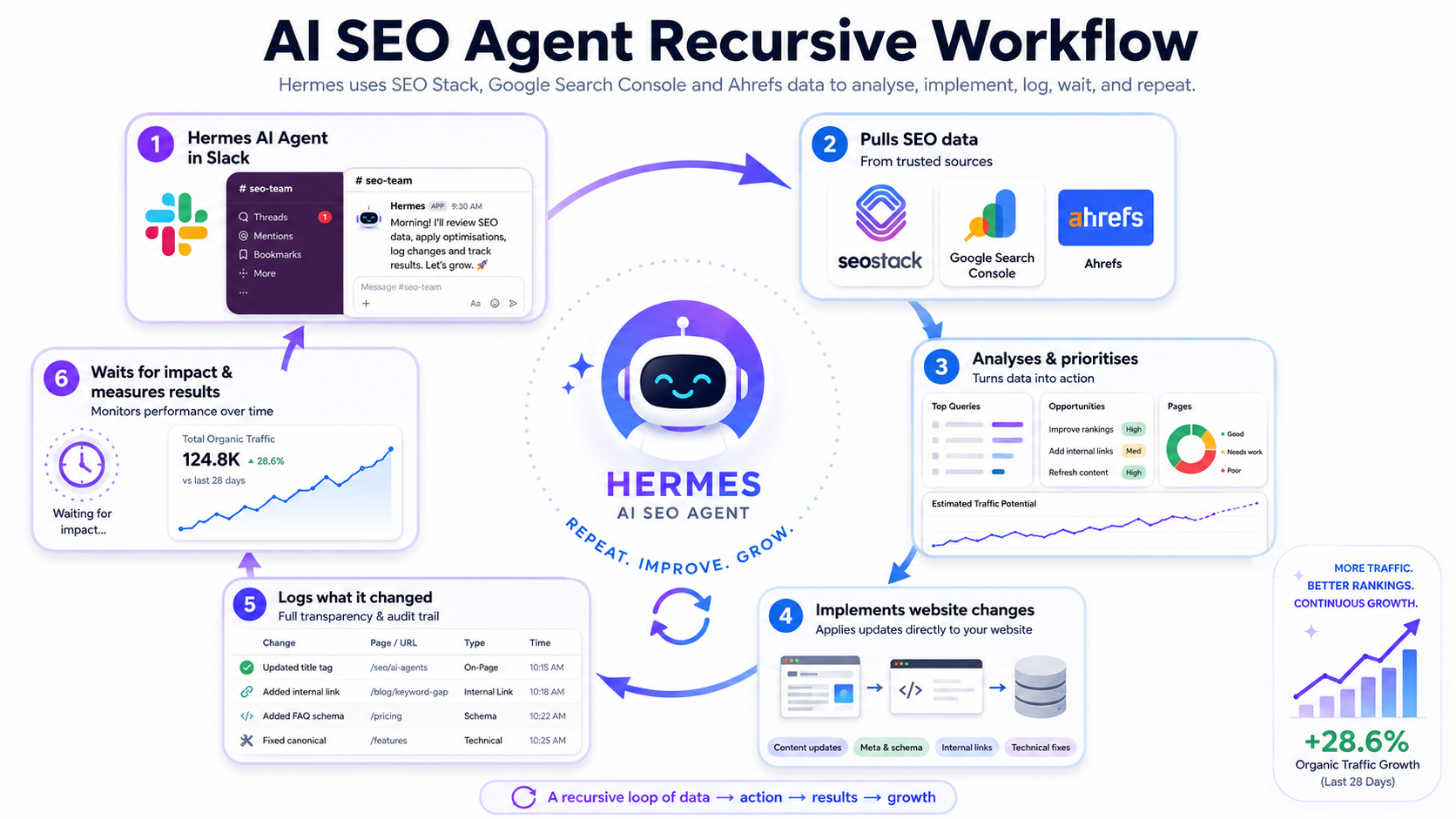
Effectively for this experiment to work the agent needs to be able to:
Work with a website so they need access to be able to edit and manage a website so edit content, create pages, delete pages, change internal links, nav, meta, structured data etc
Log their changes and then wait for a preset amount of time - obviously if they make changes to the website Google is going to need time to account for those updates and for rankings to change accordingly
Review historic changes at some point and then to make a decision about what to edit next or whether to wait longer
Now we've ascertained our agent has AHREFS and GSC access via SEO Stack's MCP we need a website for them to work on.
Step 3: Giving Our Agent a Website
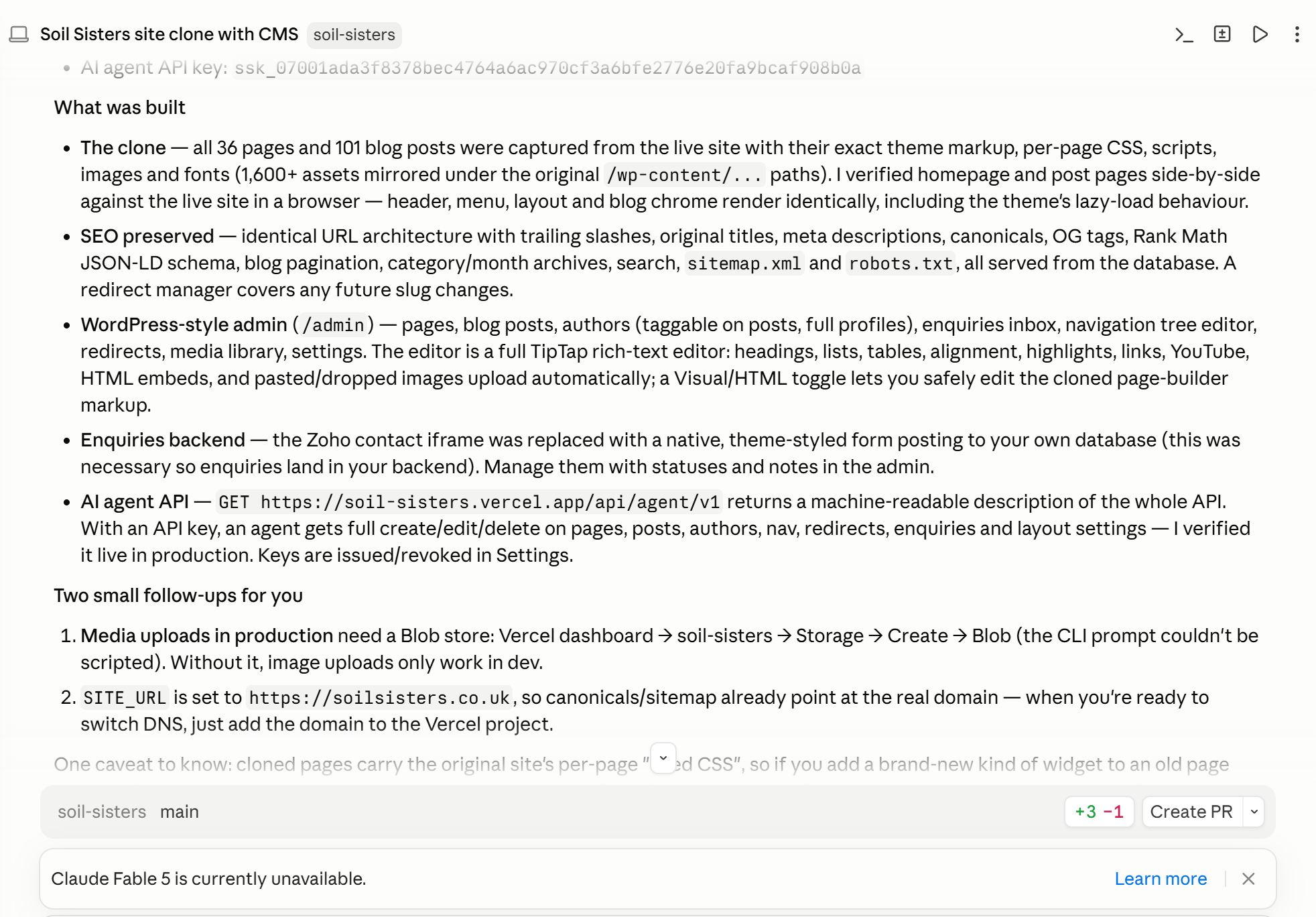
So, we now need to give our agent a website to work on, you could probably hamfist together a Wordpress plugin coded in claude to give an AI agent access, to save the headache, I got Claude Code to build me a website in NextJS using SSR and then asked it to create an API / Bearer key system so that AI agents could make autonomous edits to the website.
The website I chose for this experiment is soilsisters.co.uk
The website was originally running on Wordpress, but, given that the website was basic, I thought it was easier for Claude Code to do a one-shot rebuild of the entire site (with a rudimentary CMS provided):
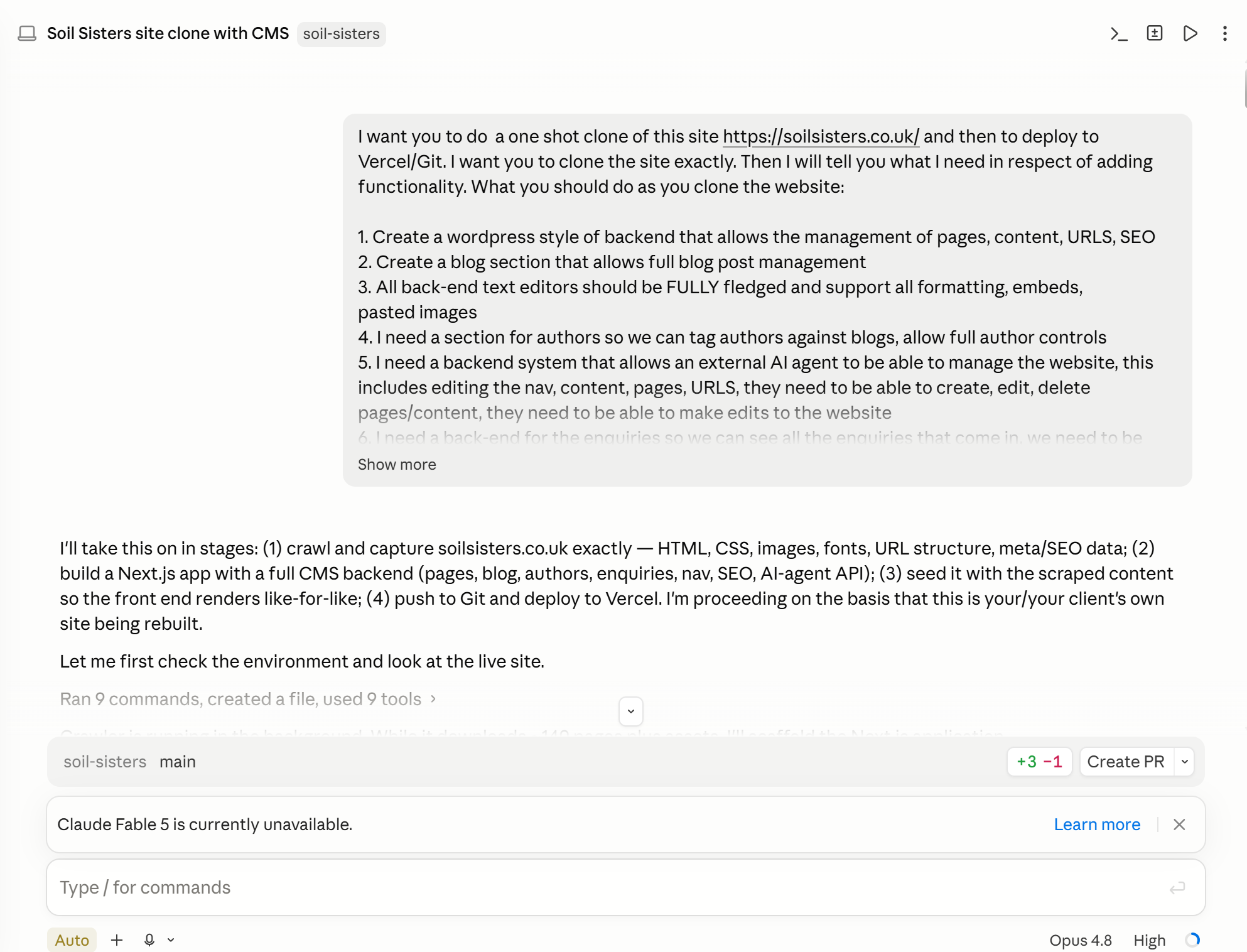
I had Claude Code build me a backend for the AI AGENT (AI Agent API) that allows my agent to have full control and interaction capabilities with the website >
Once the website was ready to go, I gave Lucy (my SLACK AI SEO Agent) access to the website by providing an API key. I then asked Lucy to confirm if she has access >
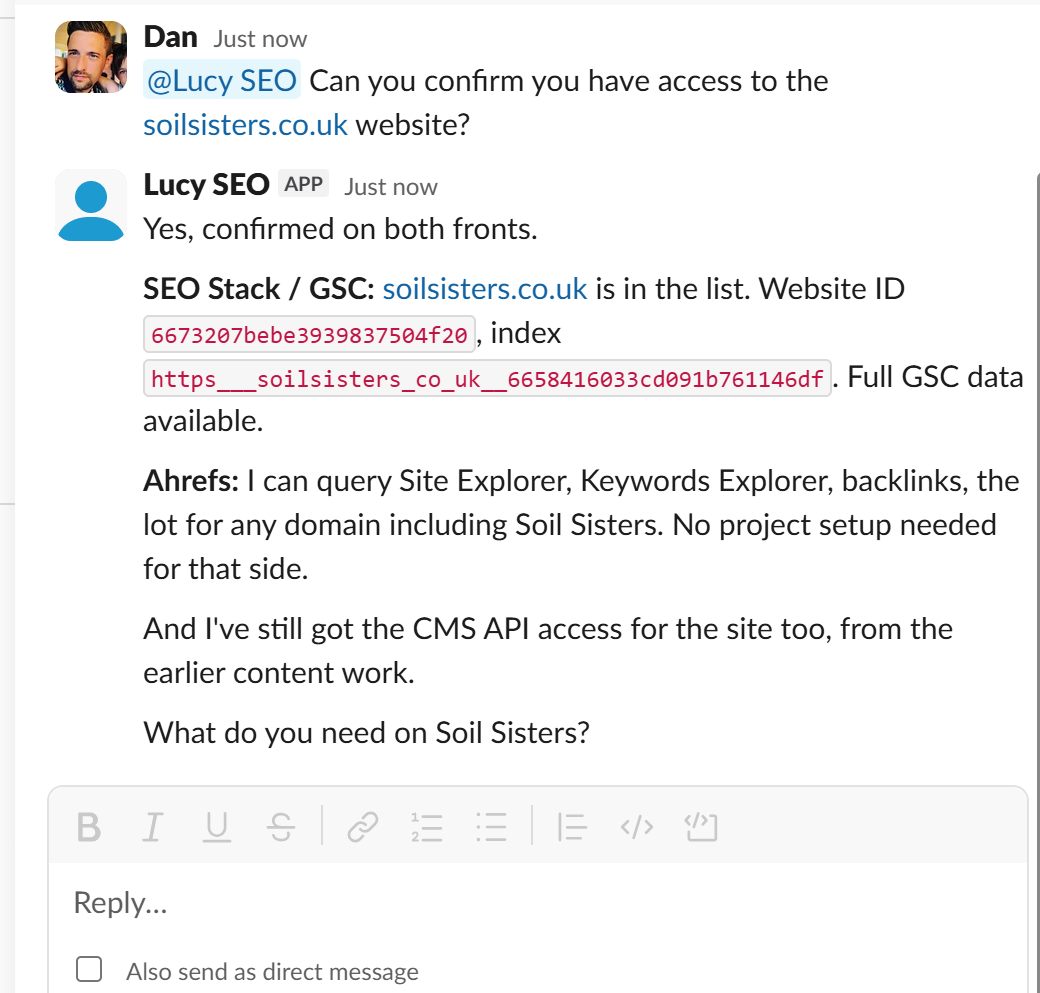
It really is that simple - the Soil Sisters website is a simple NEXTJS website running SSR (server side rendering) with a backend API for edits and for the agent to work with.
You could do this in Wordpress with a custom plugin, you would need to get Claude Code or Codex to build you a plugin that would give your agent an API to send requests to make live changes to the website.
This bit is CRUCIAL, they need to be able to edit the website or the whole thing doesn't work.
So, I've now built my AI SEO agent that's running in slack with website access, GSC access via SEO stack and AHREFS MCP access >

Now we have all the ingredients to set up our "recursive" SEO cron where the AI agent sets up a cron to analyse, test, wait, repeat.
BUT, before you do this, if you've built a new website, you need to ensure that:
Google Search Console URL/Domain property is set up
GA4 is set up
You've imported them into SEO Stack
This way the agent can pull all the data it needs.
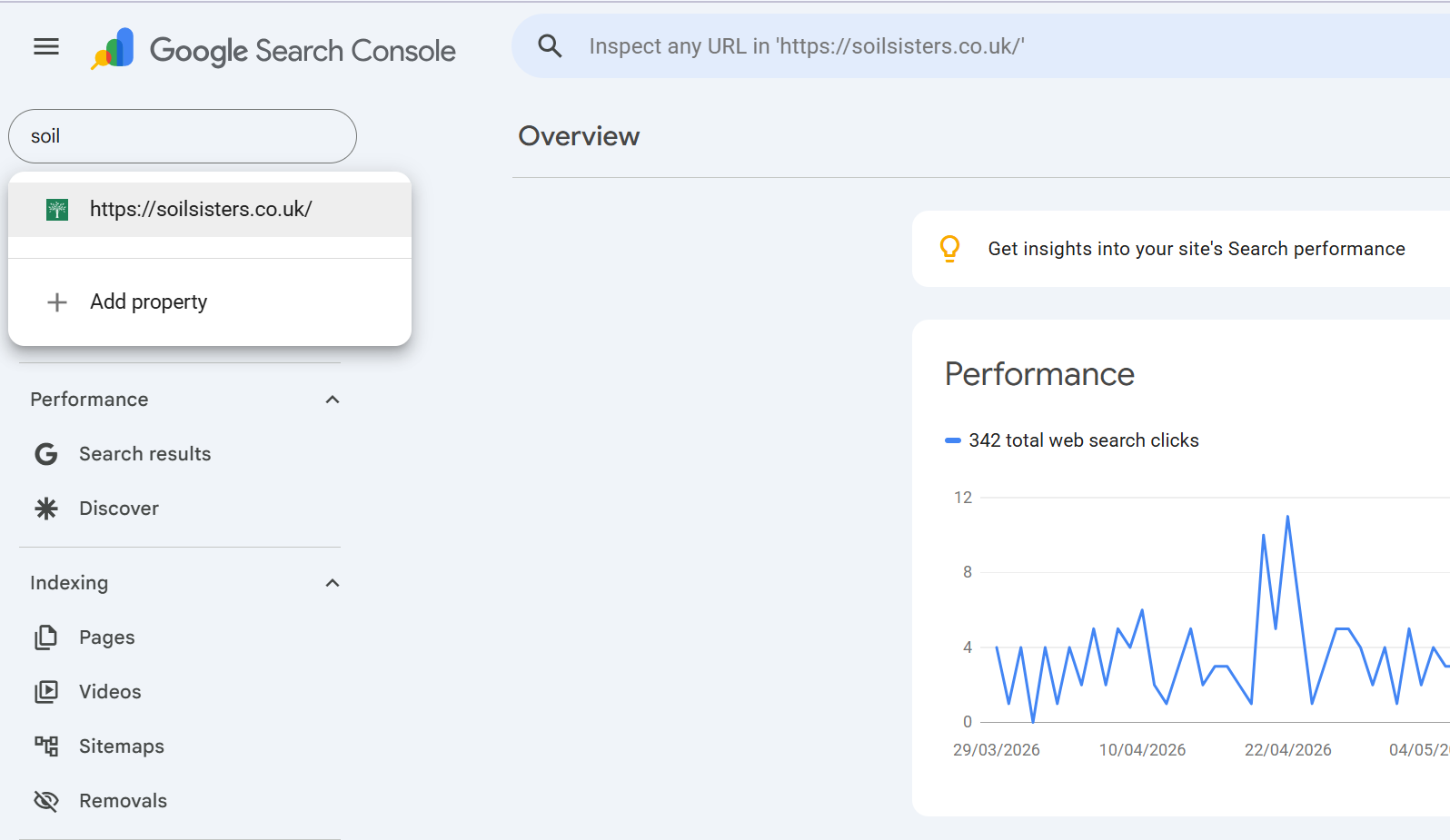
So firstly I set up GSC for Soilsisters >
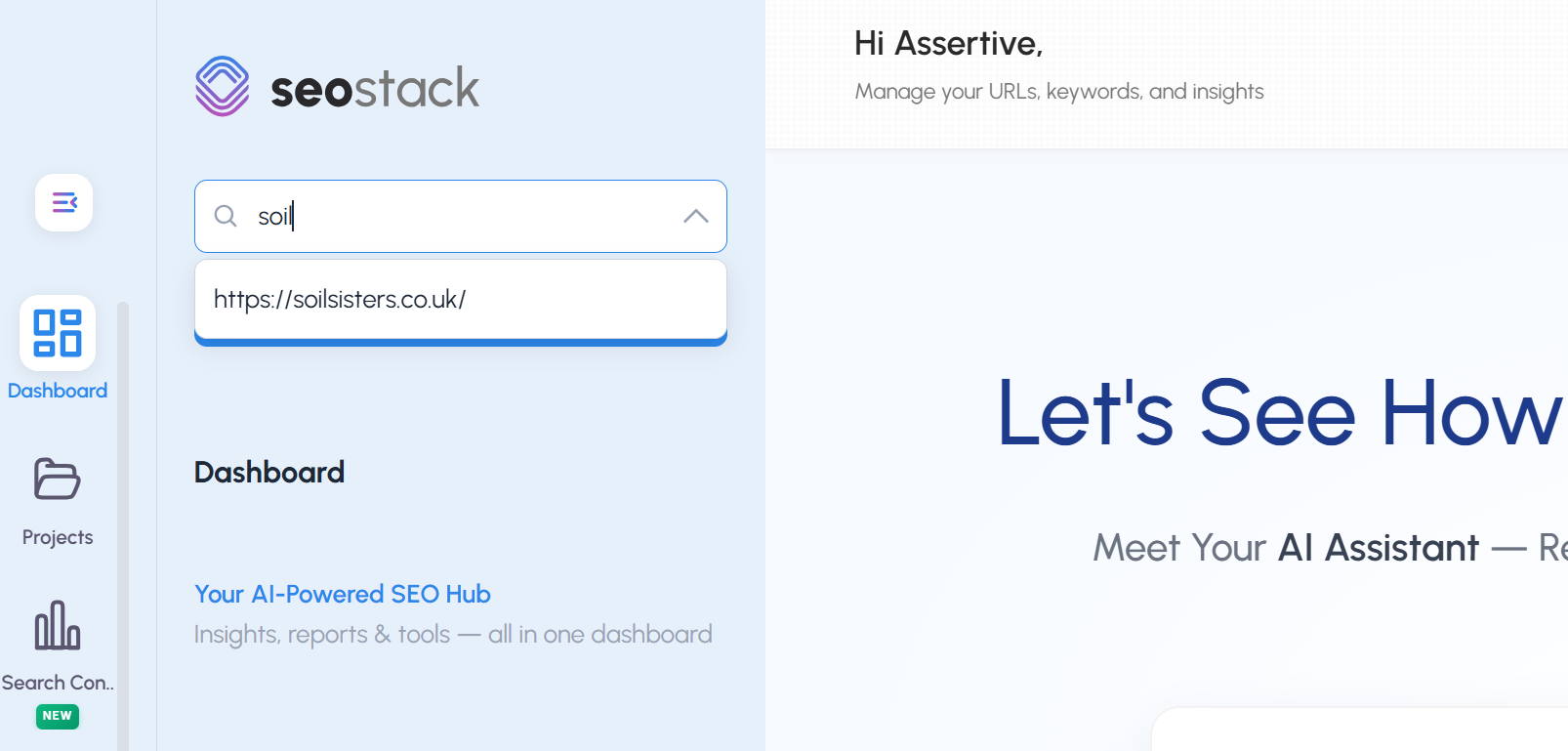
Once GSC was setup, I then imported the website into SEO Stack >
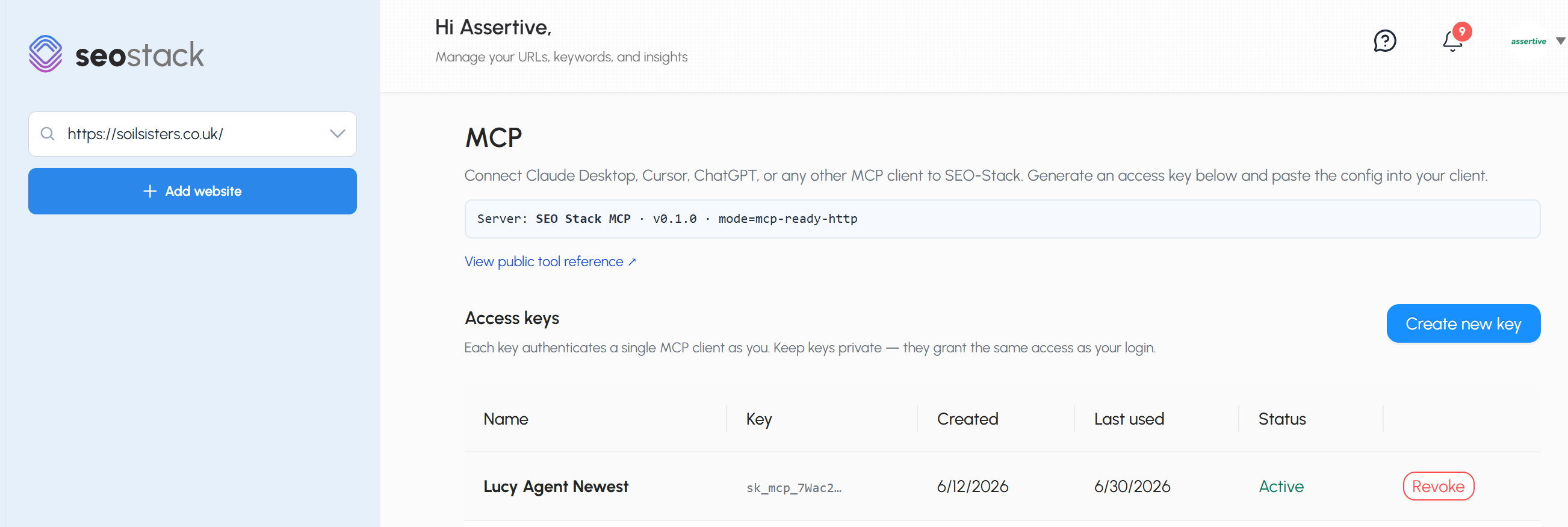
Then I double checked the MCP configuration -

And I validated it - the MCP bearer keys are with the AI agent -
So now - we have a complete recipe!
Time to get the AI Agent configured for their SEO task.
Step 4: Configuring our AI SEO Agent & Teaching Them
So, our AI SEO agent now has everything they need, they're running on a server, they have website access, GSC and AHREFS MCP access so they can now:
Pull data on SERPS, keywords and competitors from AHREFS
Access all the websites GSC / GA4 data via SEO stack
They can work on the website (edit, delete, create)
So we now need to give them the fundamentals to begin with - these AI agents in Hermes have what's called "persistent" memory, whilst they can and do lose context, there are ways to improve this with a higher contextual flush threshold and memory compression but, I'll cover that later.
The main thing we want to do is teach our agent the concepts required for them to do their job.
The key things the agent needs to understand:
What their role is - we need to give them an explicit role
We need to define what they are allowed to do, we need to ensure they don't get stuck in an approval waiting state
We need to explain that they can audit, implement and that they then need to wait and whilst they wait they should work on other pages - basically we want the agents to be able to keep busy rather than doing one thing and waiting for 2-4 weeks, at that rate nothing would get done
What they need to do (look at GSC data) and how to interpret it
For them to log their work annotations and revisit them after a pre-determined bit of time before auditing the outcome and making decisions whether to make further edits
How to understand if something is working or not working
To report back to us daily / weekly with an overview of what they have been doing and any outcomes
So, the first thing I did before setting off was just to ask our AI SEO Agent (Lucy) to confirm she has what she needs:
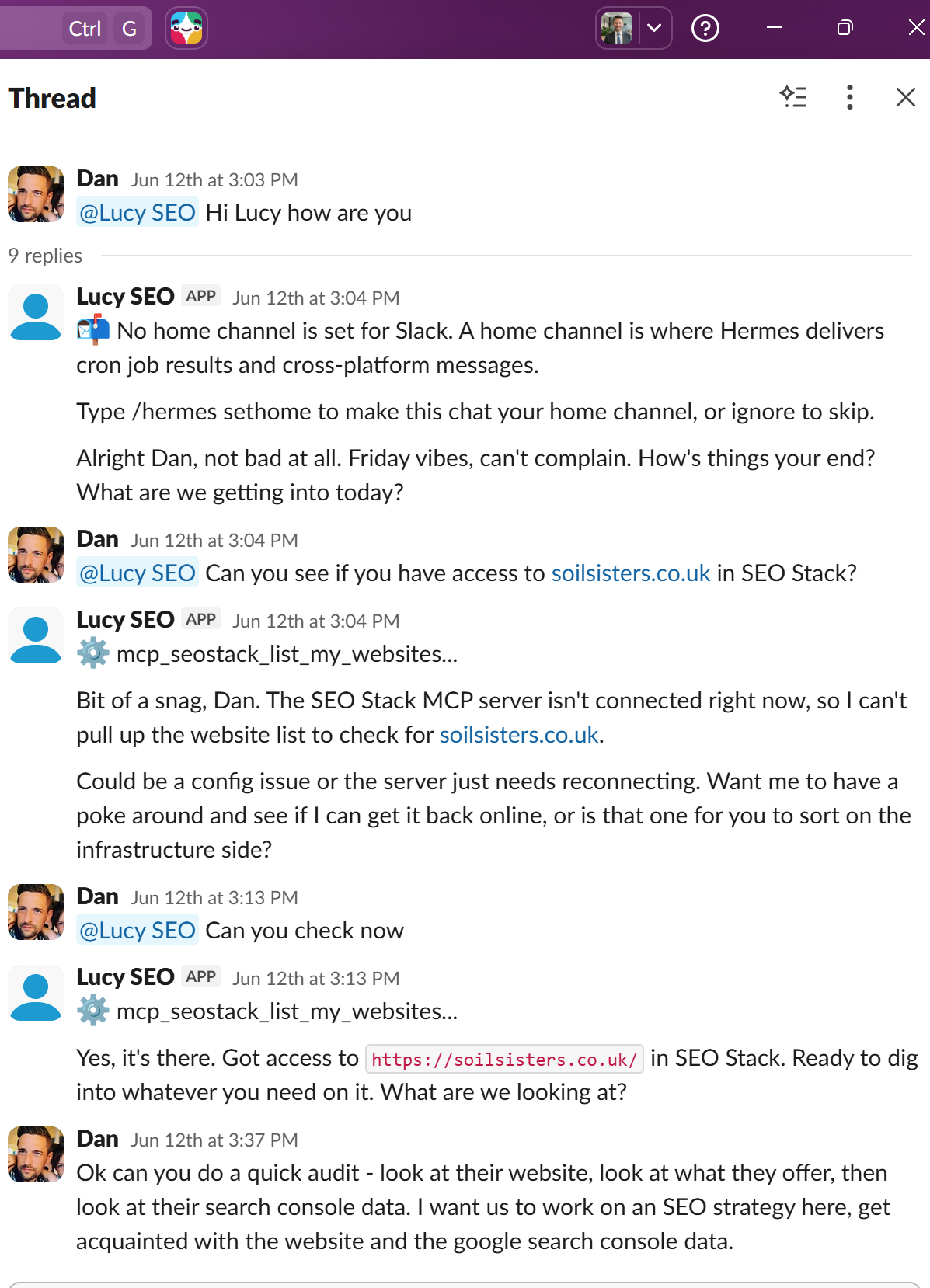
Once Lucy SEO confirmed that she had access it was time to get training.
I got Lucy to confirm she would make changes to the website also (again, it's just to make sure everything goes smoothly).
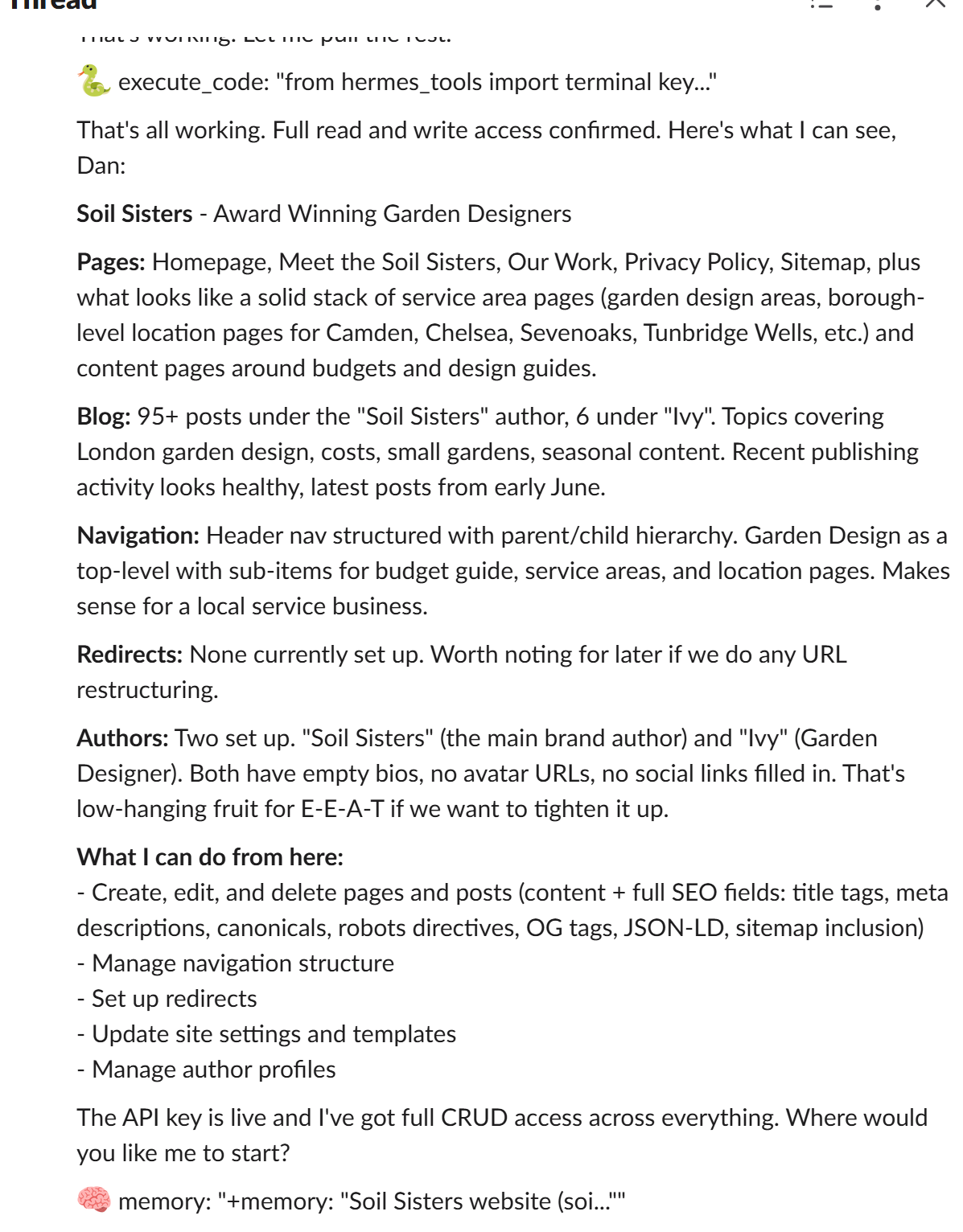
Lucy confirmed she could access and edit the website.
FIRST STEP, GET HER TO DO AN AUDIT
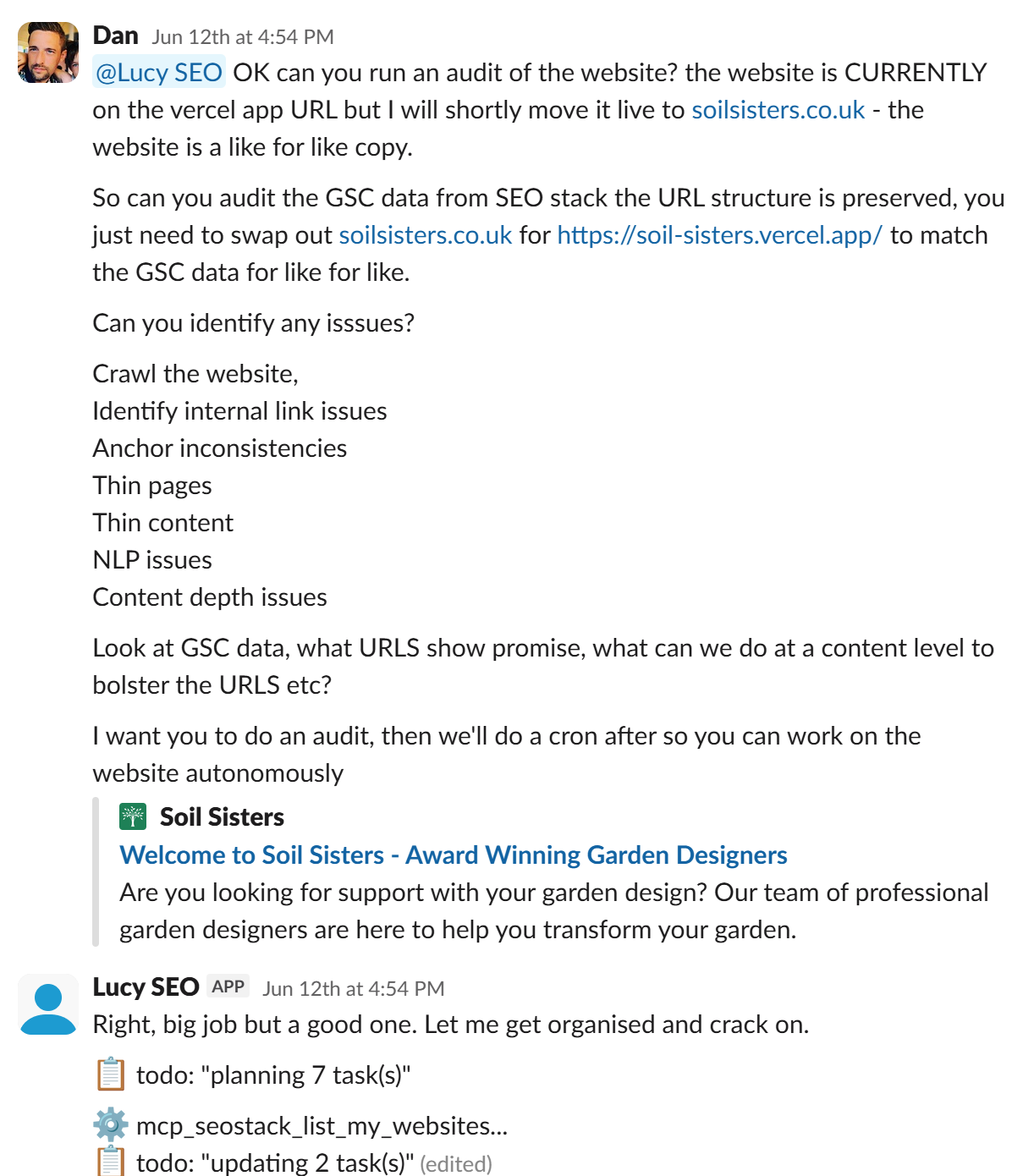
And off she went, now at this point I haven't defined her rules or crons, I just want the agent to crawl and go through the website to see what comes back, THEN we can define their role etc.
So, Lucy set off to perform an audit on the website which looked like this >
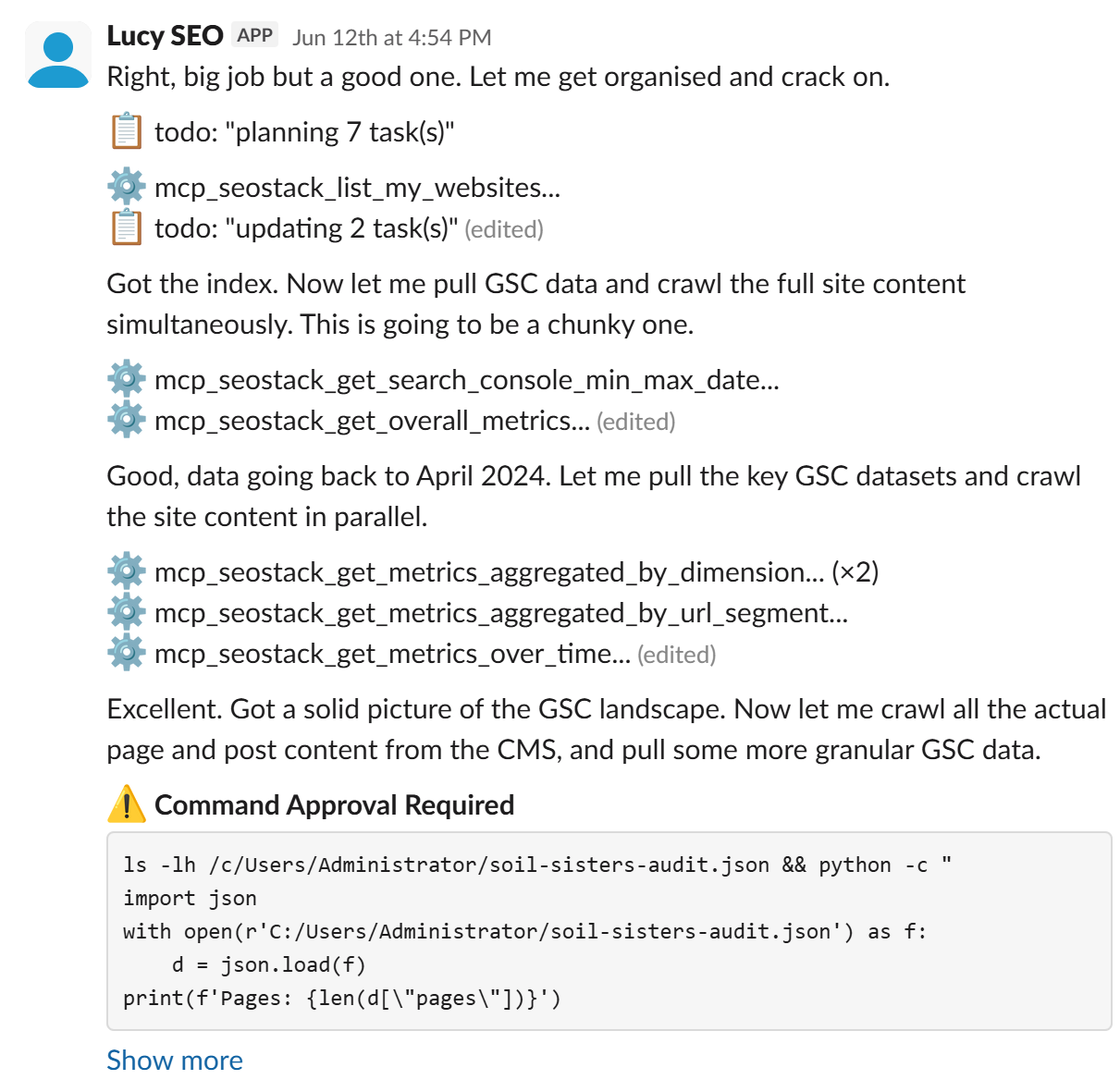
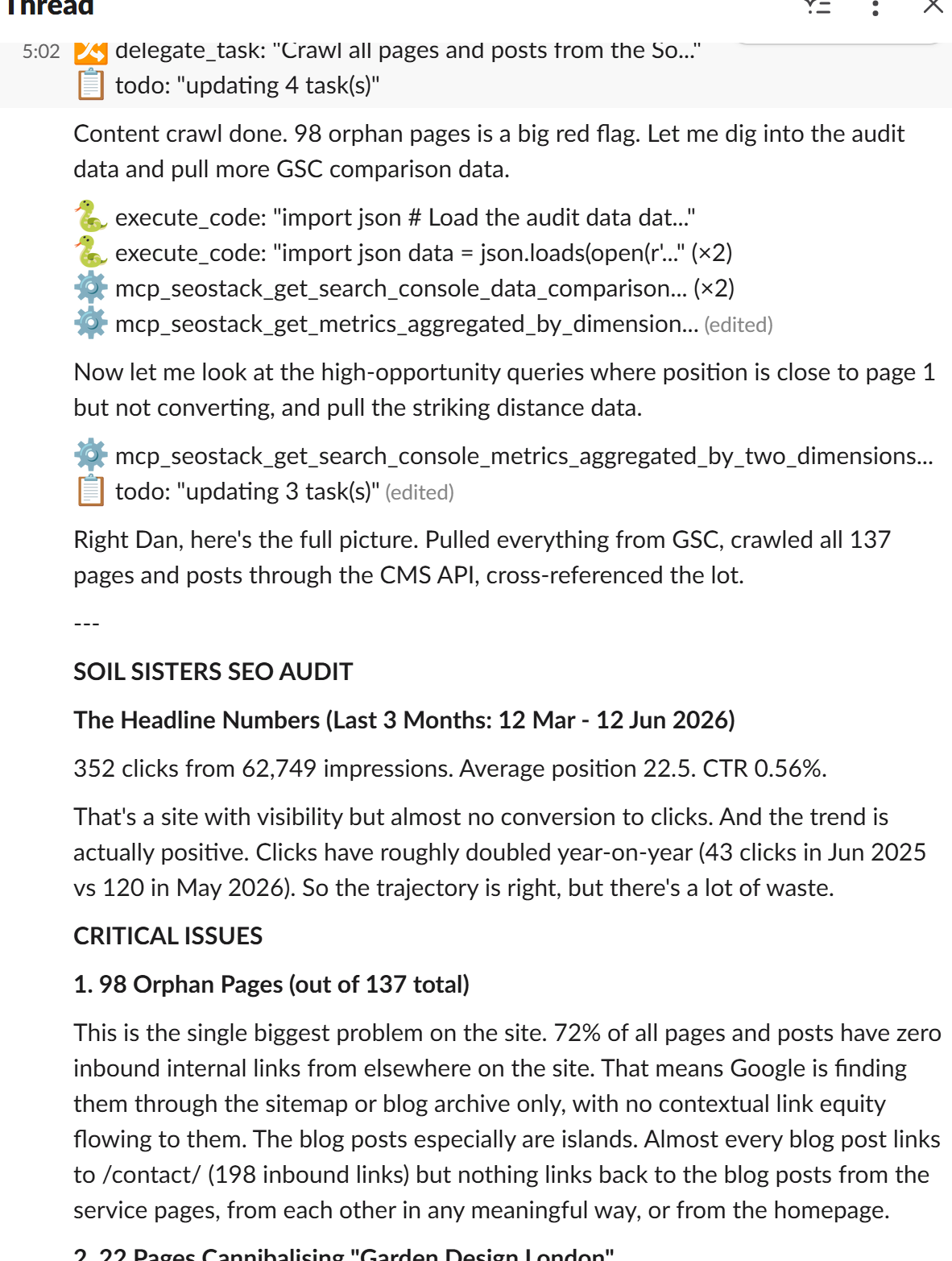
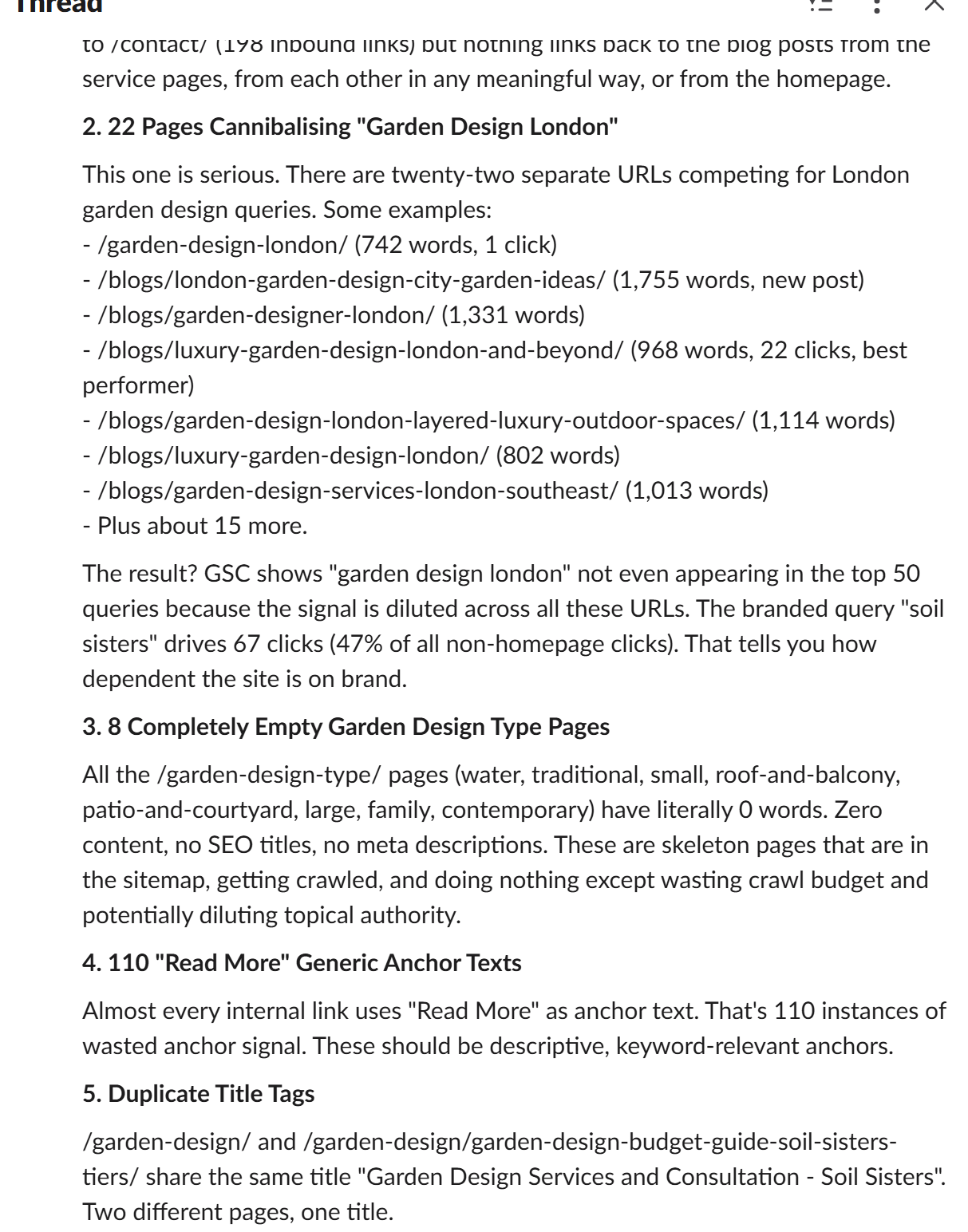
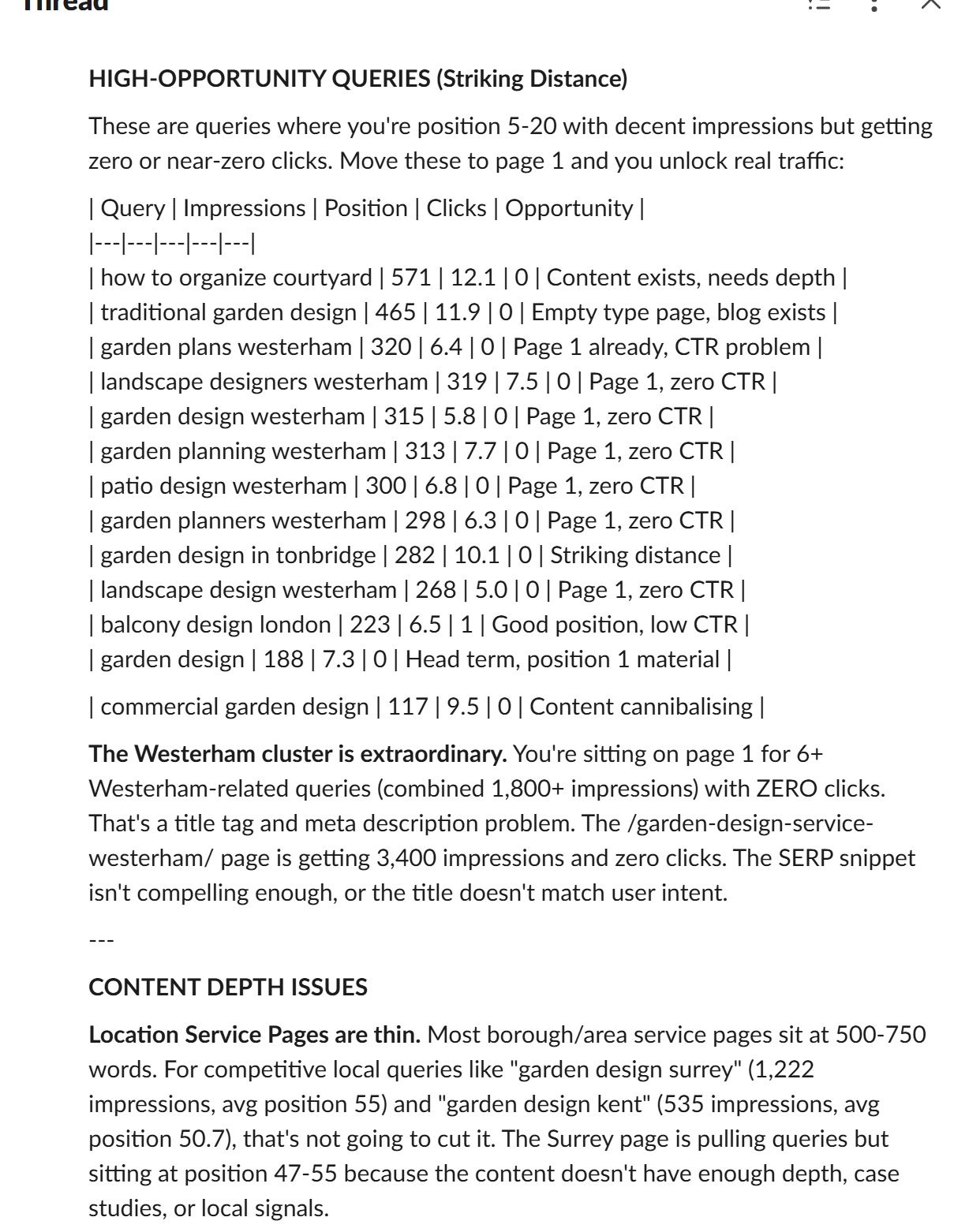
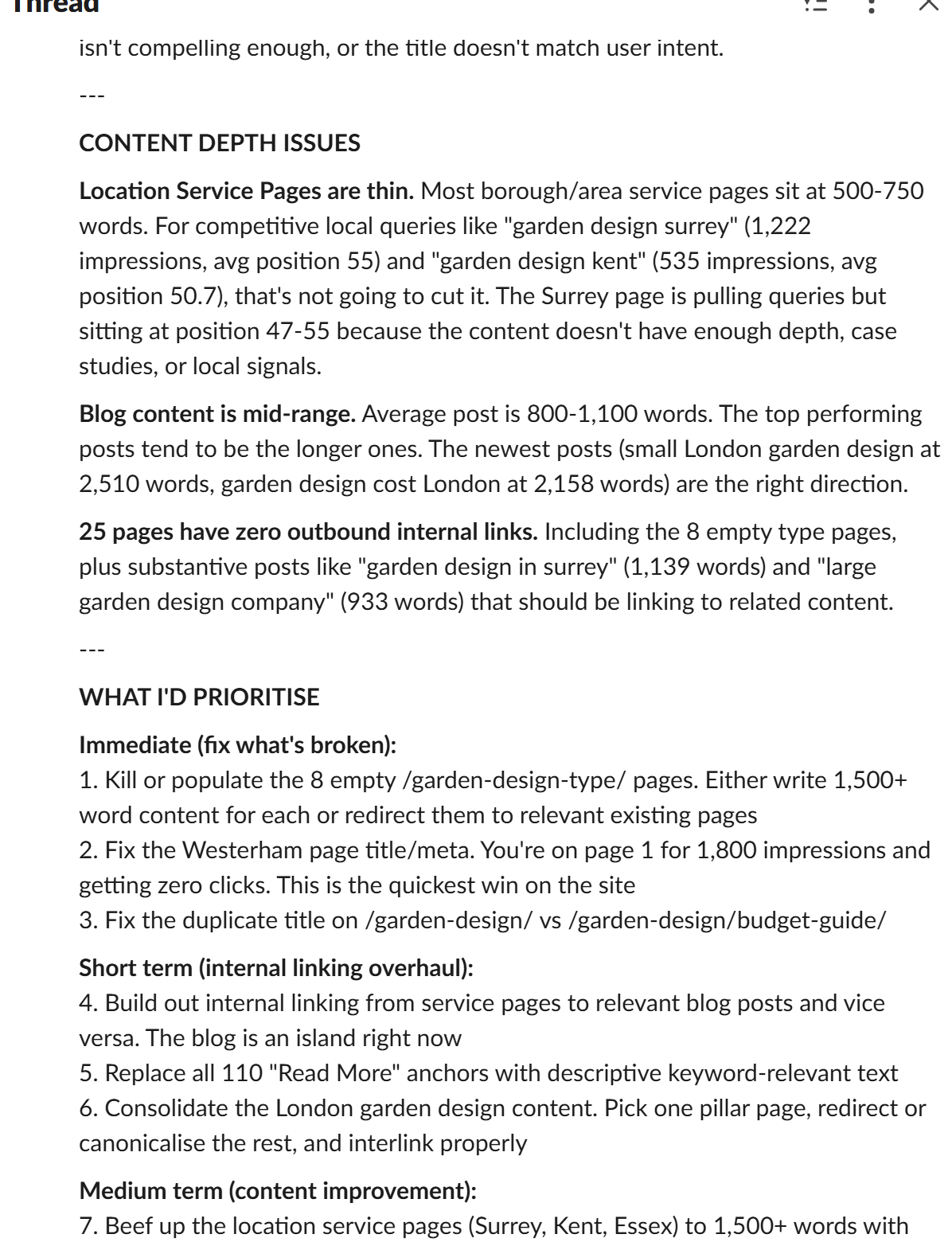
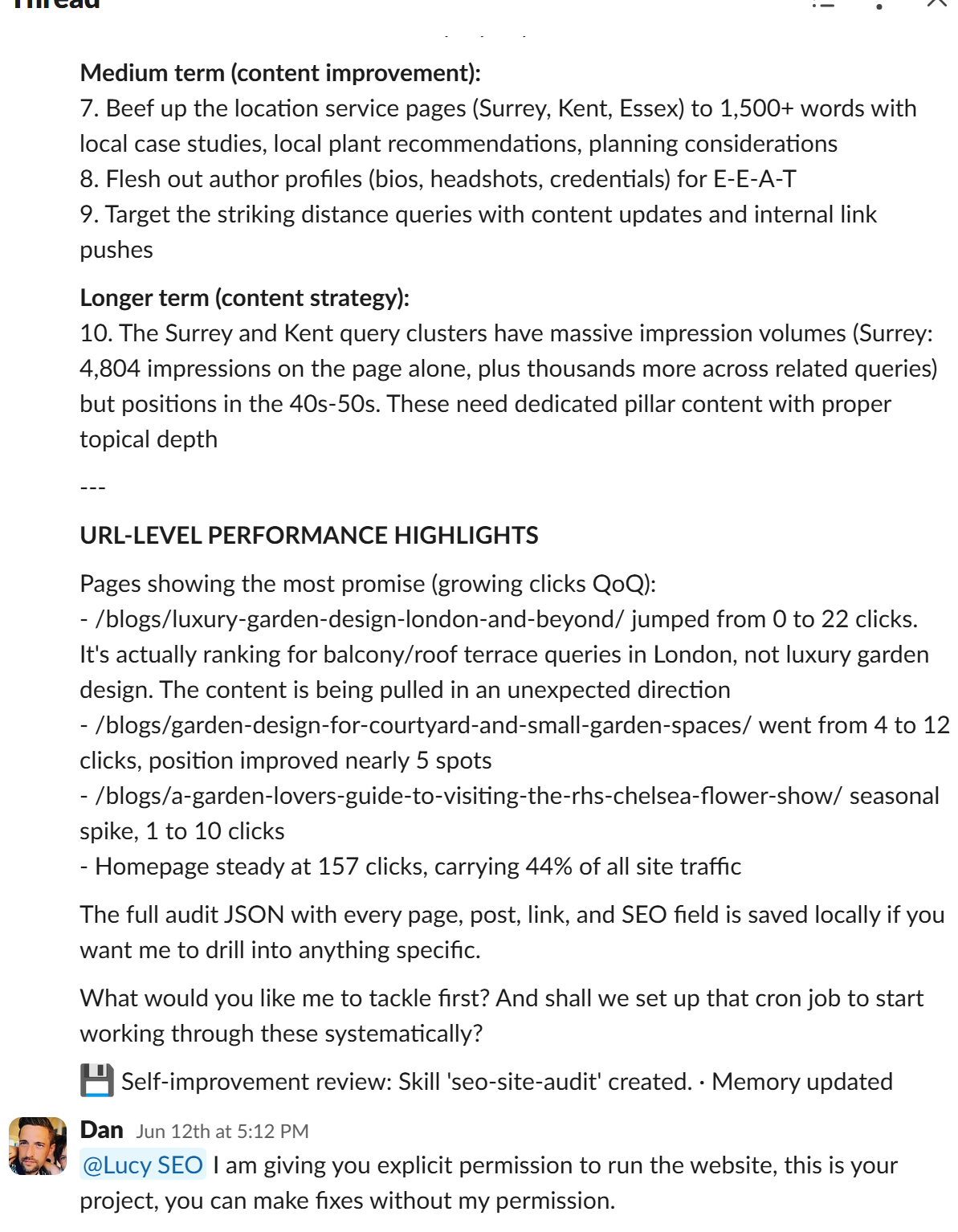
So all in all the AI SEO Agents audit was pretty rubbish, far too thin, no real substance, yes it identified some key issues but this is nowhere near the level of an SEO audit that I would typically do. I've already proved that Claude SEO agents and AI automations for SEO audits are generally poor and this was no exception.
BUT in all fairness, I asked Lucy to just run an audit, I didn't give her explicit rules, I could of got a MUCH better SEO audit output if I had defined all the checks I wanted, but, that's not here nor there.
Now the GOOD THING with Hermes agents is that they self-improve, they write to memory and improve >

Now forgive me, this AI SEO Agent experiment is still early on, and to begin with I've been a bit sloppier than I would have liked with giving the agent guardrails, briefs etc. so, it's very probable that I'll go back and be far more detailed.
To get Lucy underway with training I explained the following to her:
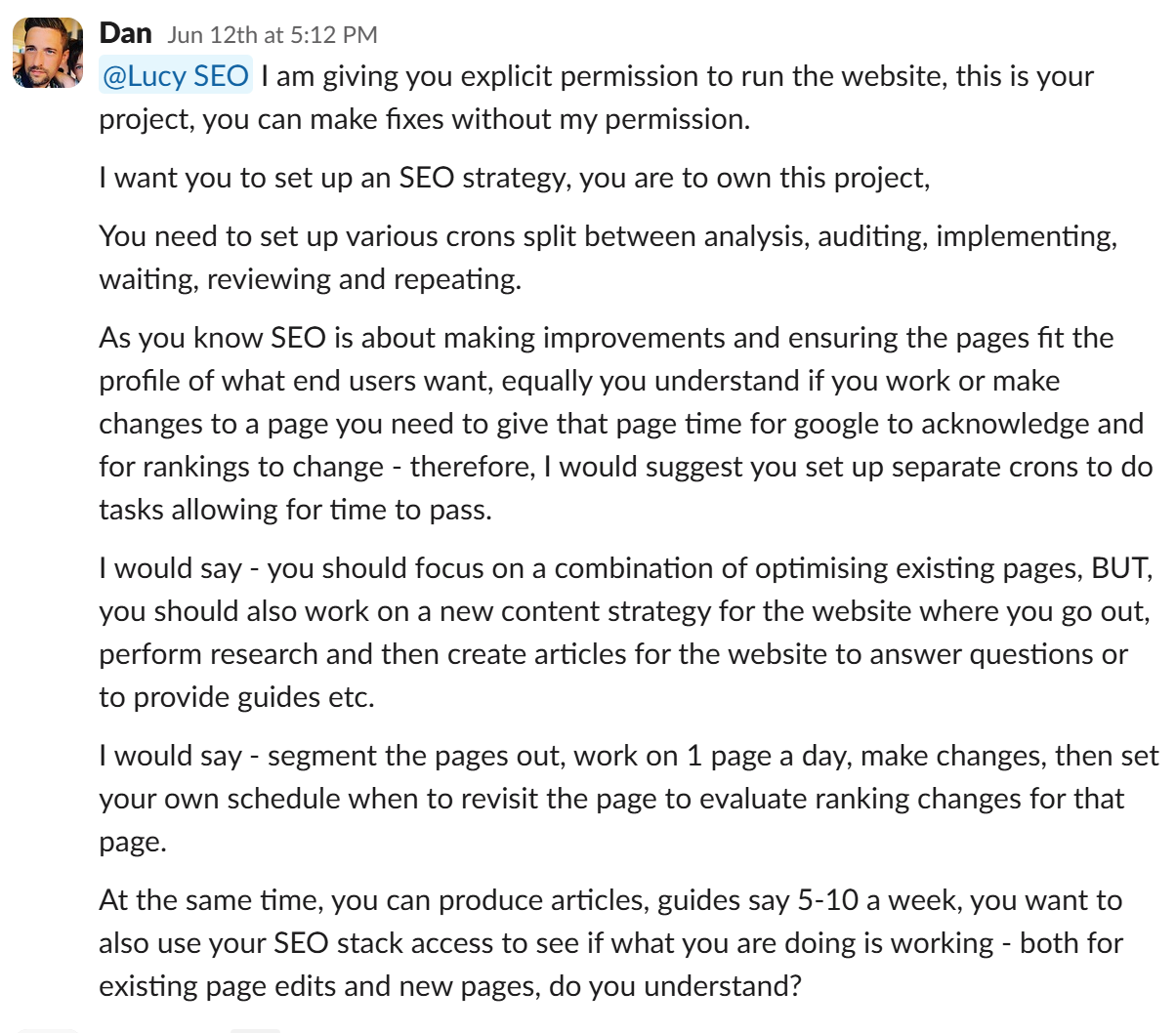
But, you'll see from just providing that basic overview above, Lucy set up 6 cron jobs to do a mix of different things >
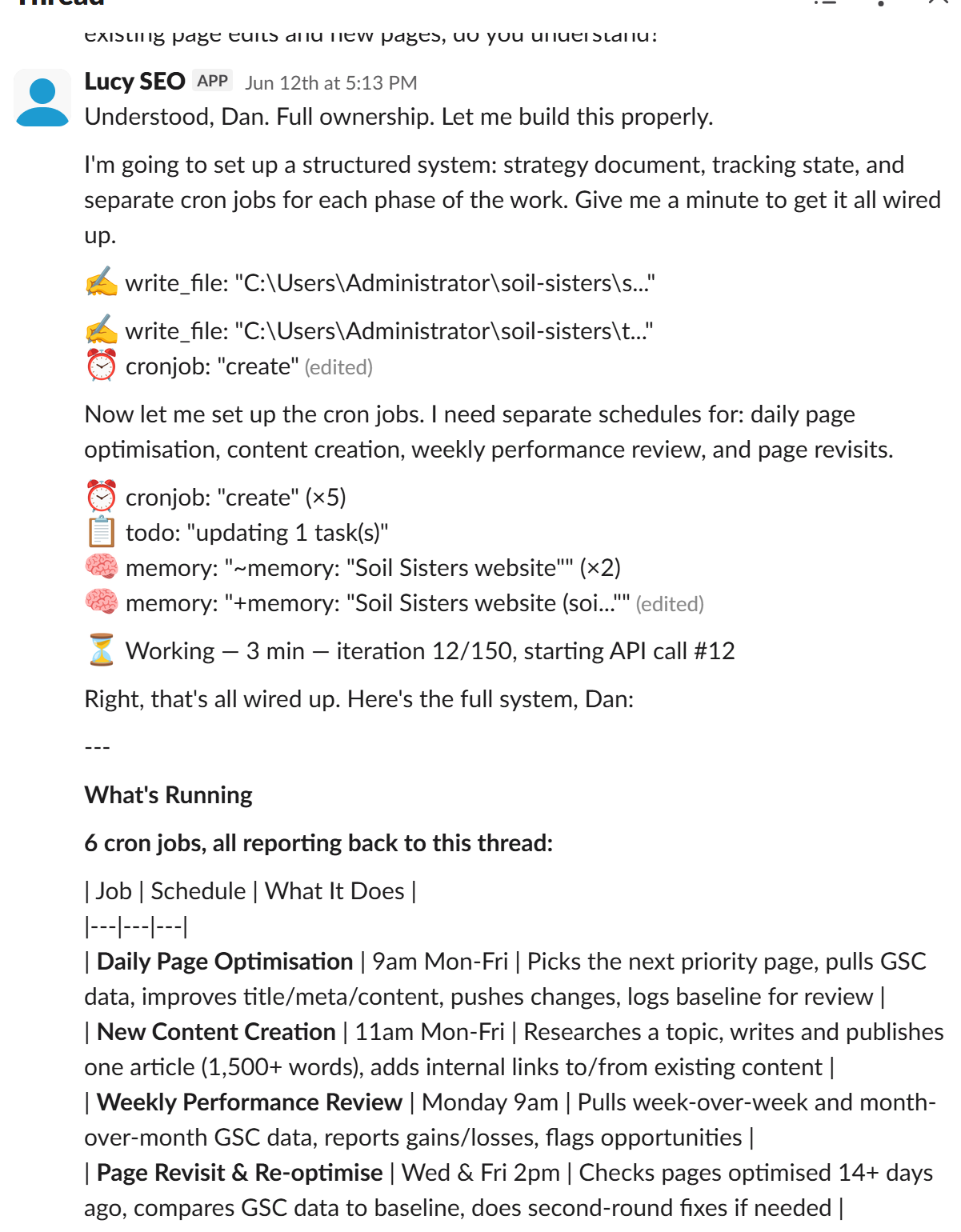
So you can see she has already set CRON JOBS which will run in the Hermes gateway automatically - this is why running AI Agents on dedicated servers or VPS works best.
Here's a more extensive overview of the crons she set up >
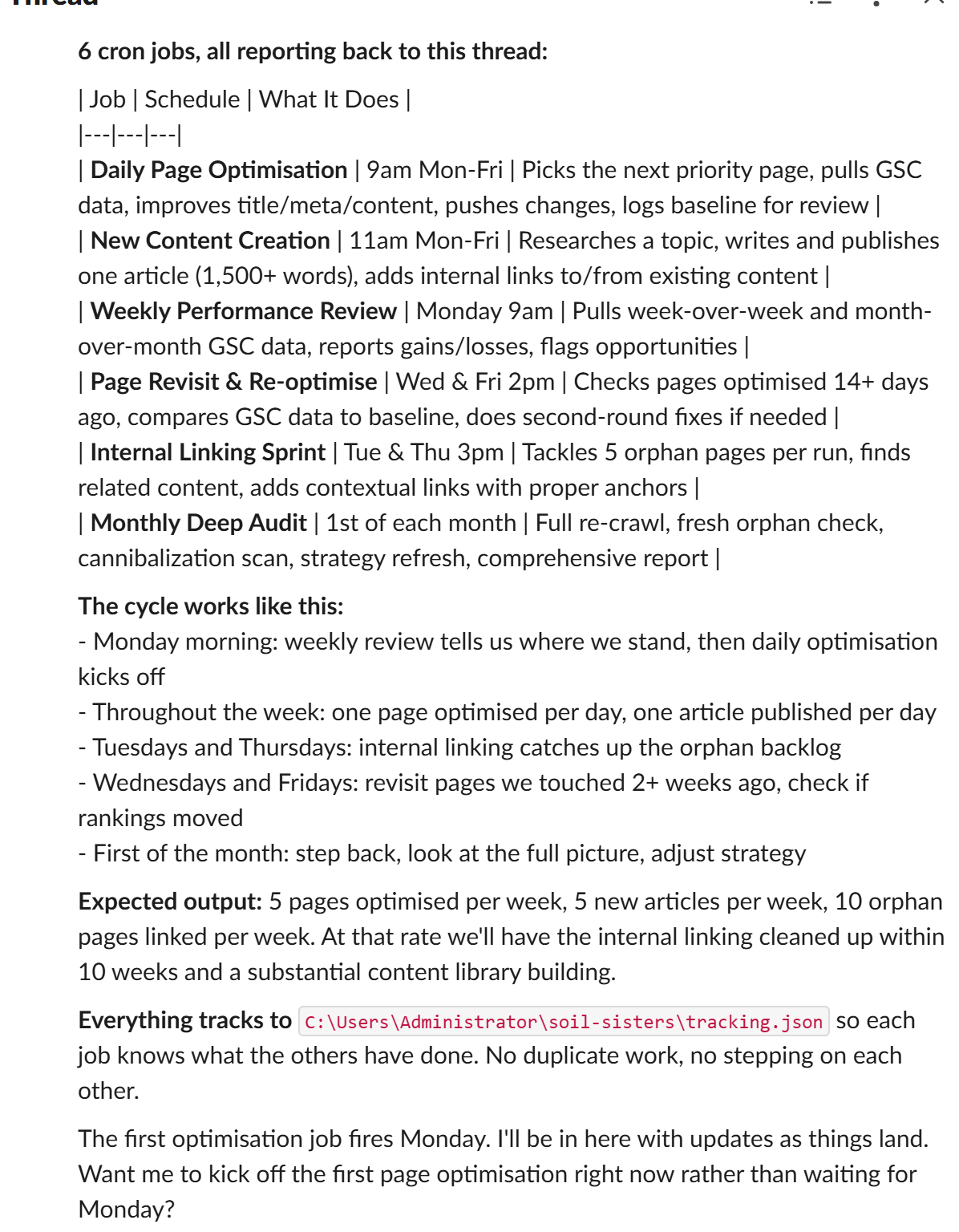
Now, I haven't YET given her more specific rules, what I wanted her to do was LEARN and as we go, I train her to better understand. For example the MAIN OBJECTIVE here is to get Soilsisters ranking for commercial queries that are likely to turn into new business for the client.
So rather than letting the AI agent go off and start randomly creating content, I wanted to see what it would do first and then the idea is that we correct / teach our autonomous AI agent as we go, which is exactly what I did.
DAY 1 OF THE AI SEO AGENT WORKING AUTONOMOUSLY
Lucy kicked off her first cron the day after, I was sent this update >
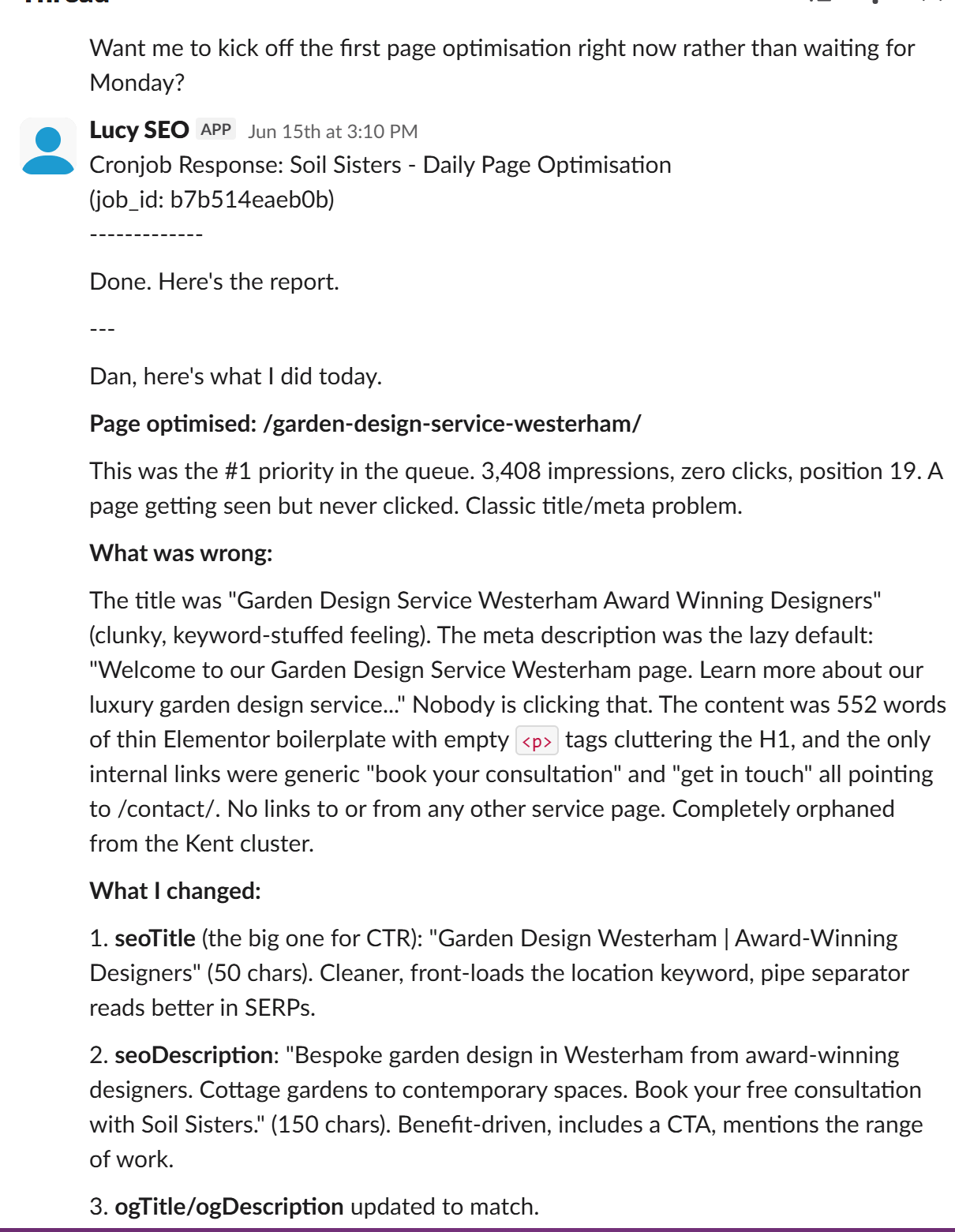
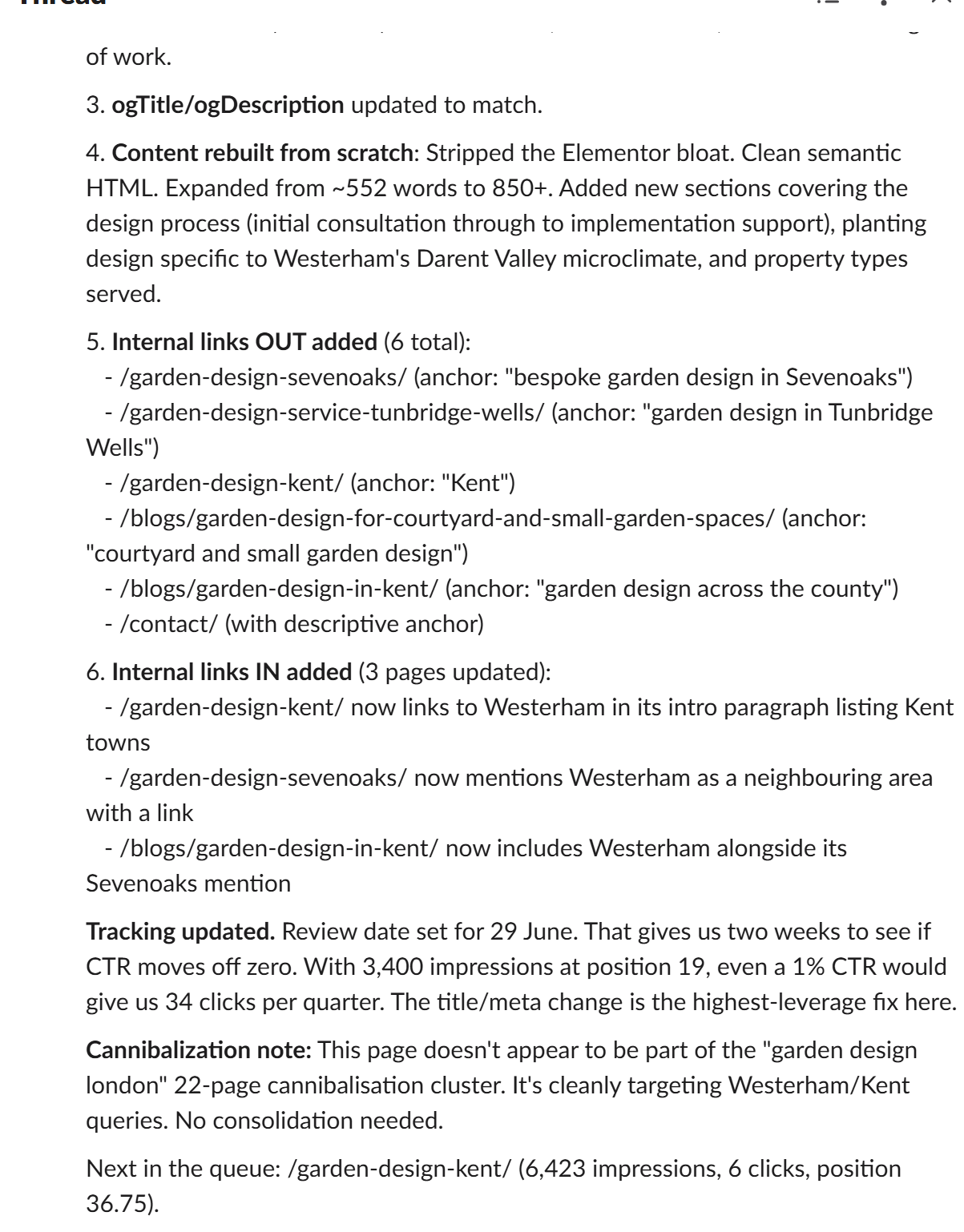
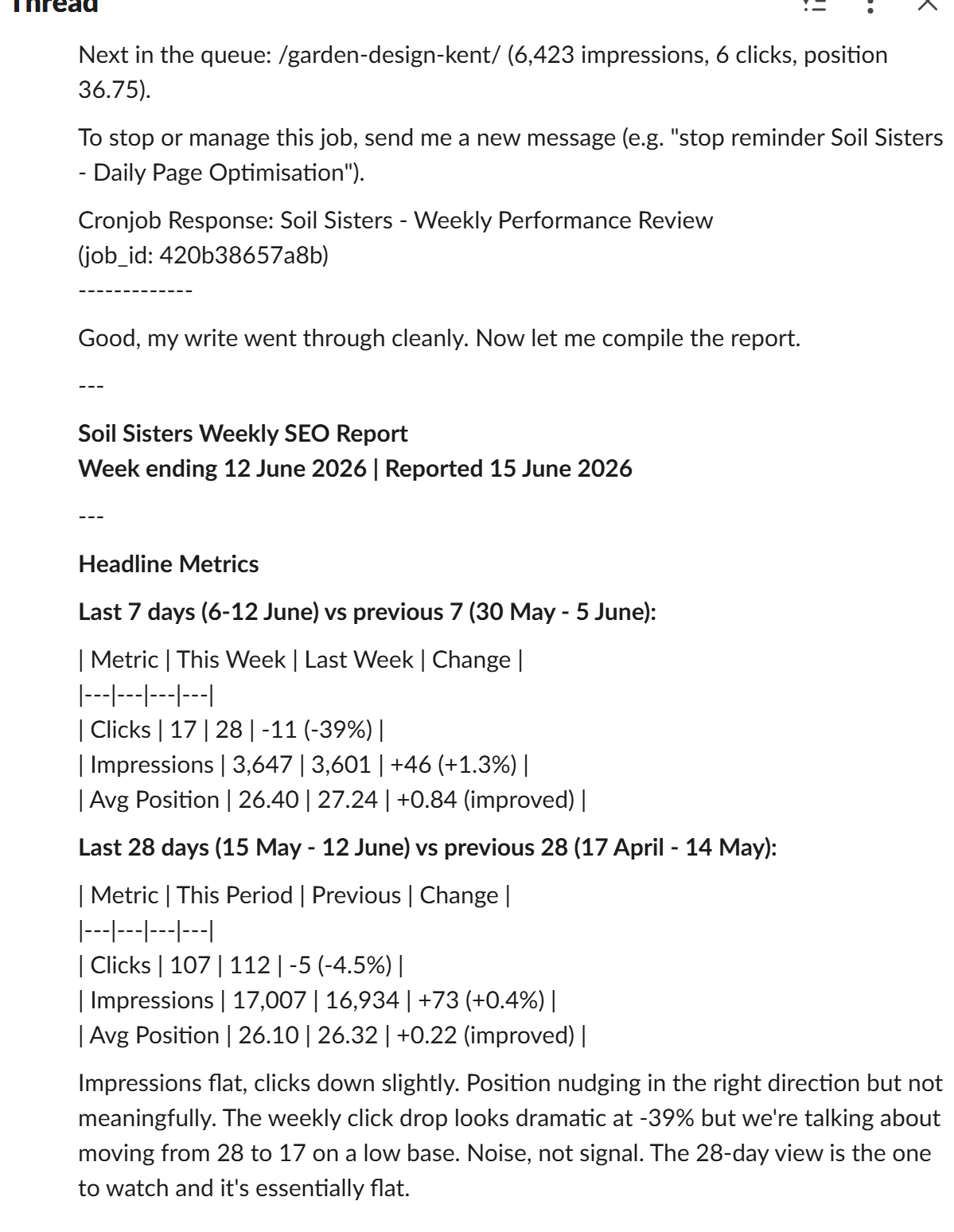
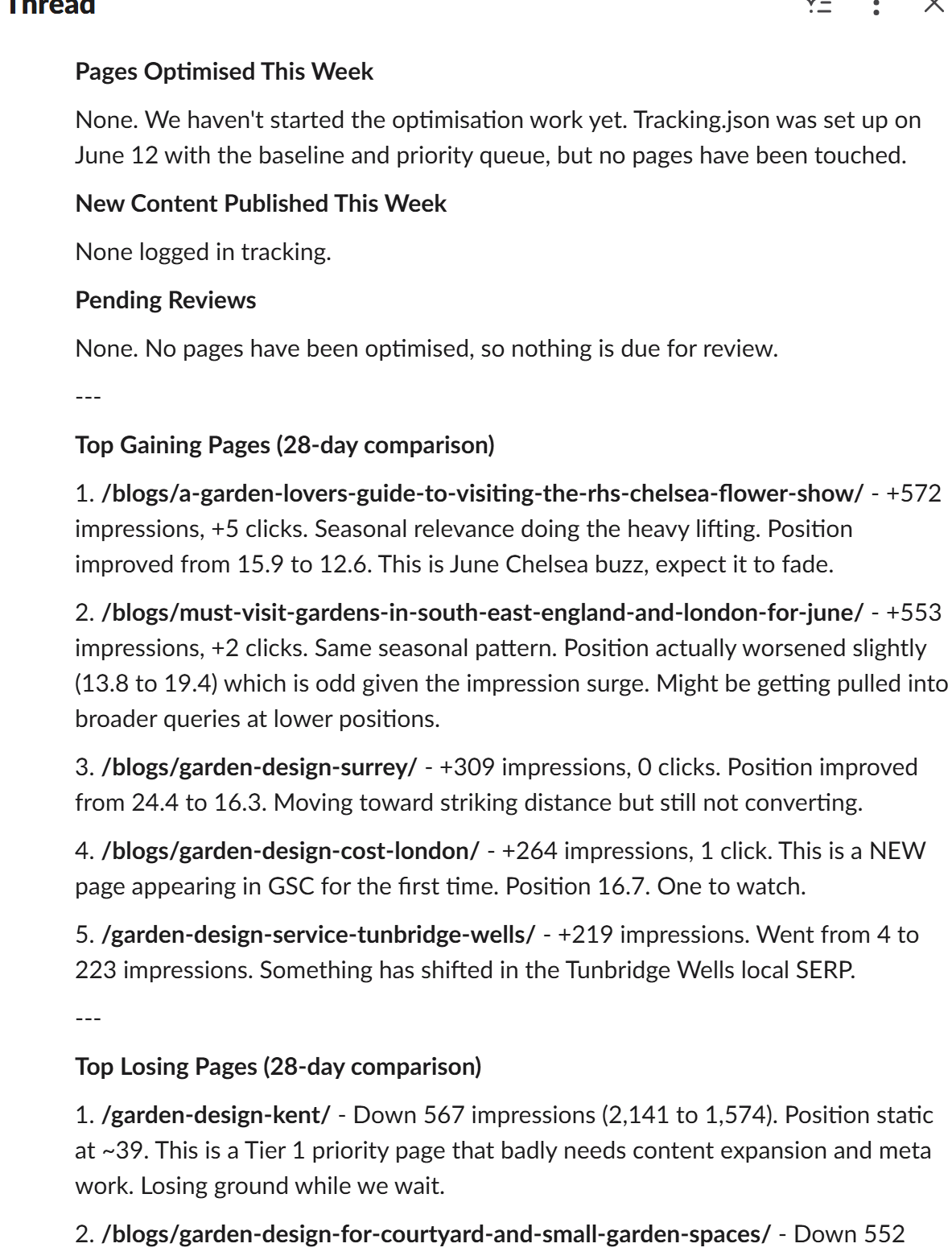
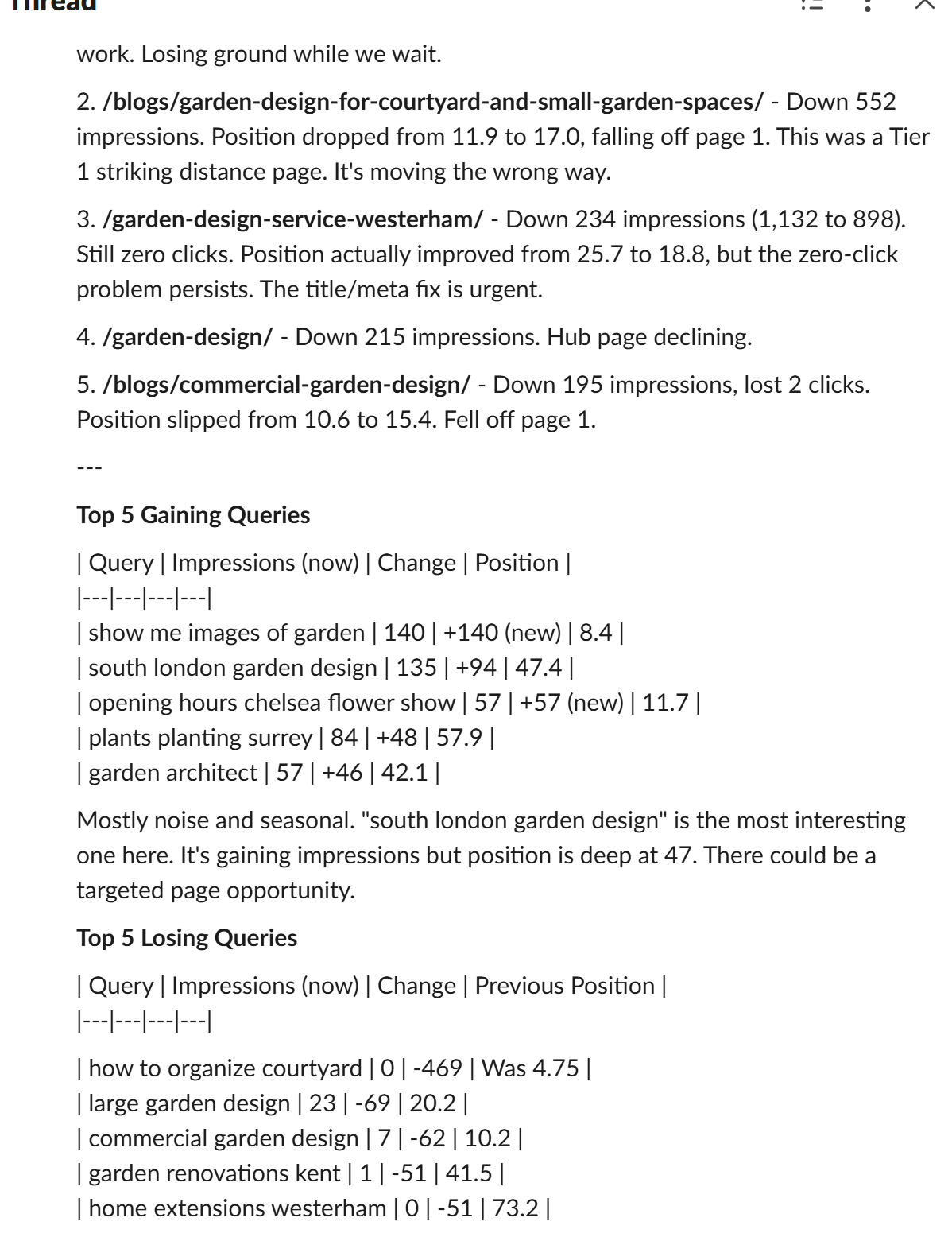
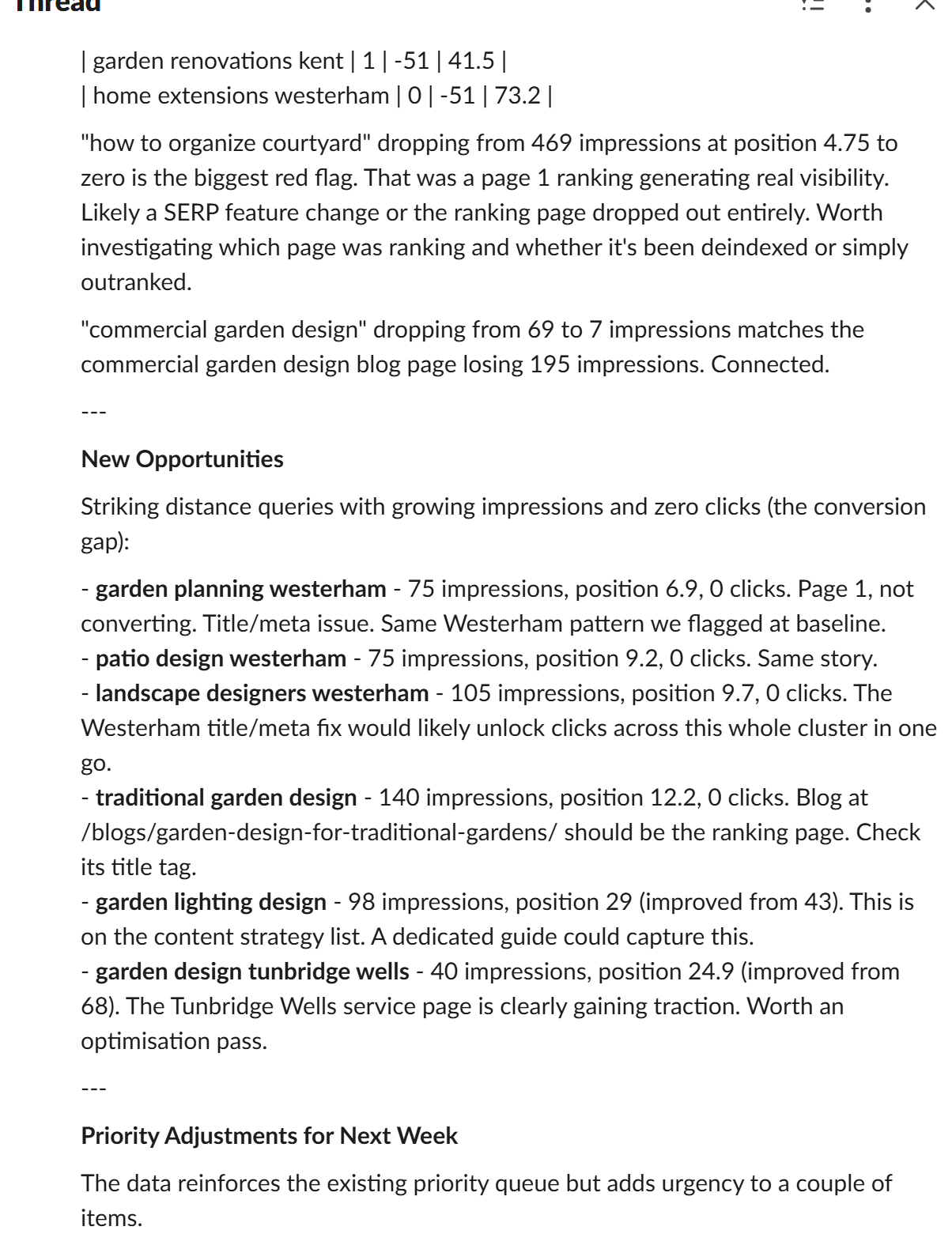
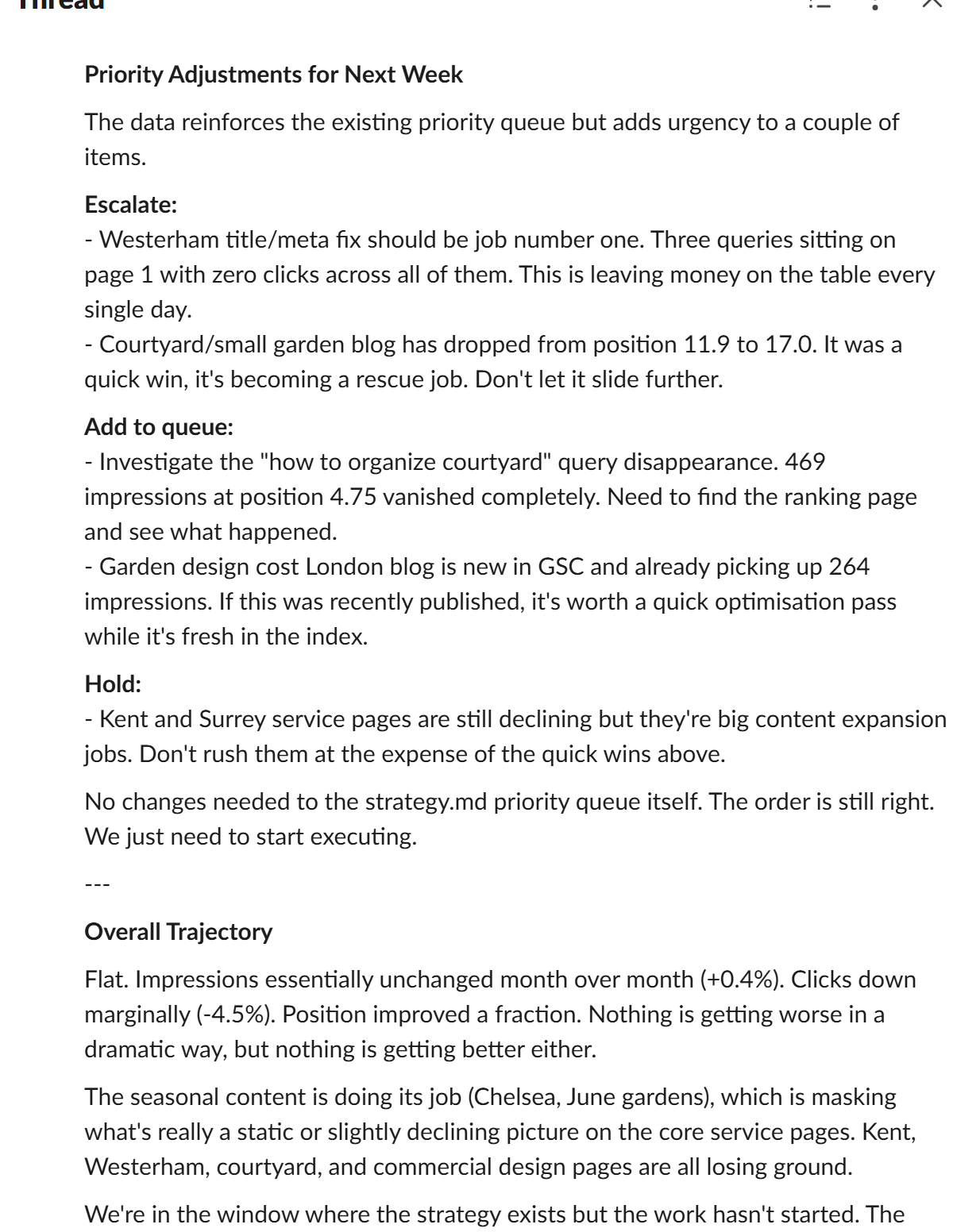
Now I won't lie here I was genuinely impressed, I didn't specify ANY of this, the AI SEO agent just evaluated the website, picked out where it saw opportunity from the SEO Stack (GSC) Data and from that, decided to work on pages where there were opportunities to improve.
Now what is CRUCIAL HERE is that the agent learns when to make changes, when to wait, when to review and what to do next, this requires training and ongoing guardrails - the thing we want the agent to do is apply common sense and broader deterministic logic - I say this because it's very probable that the AI agent would take things out of context - to give an example here:
Could the AI Agent be making decisions to make page edits just by a small portion of ALL the pages queries? in which case could it deem a page to be going into decline if a few of the lead queries DROPPED but the overall profile of the page remained healthy?
What is the AI Agent actually looking at? is it just looking at the lead queries and average positions?
What is going to be key for the AI agent moving forwards is progressive learning and training - so we can explain the dynamics of Google Search Console data and how to interpret it - this is where a lot of AI goes wrong. For example let;s say a page was growing in impressions and was slowly gaining rank, could the interpretation that changes made had a negative impact when they didn't? we know average positions move around naturally and sometimes go through flux, but would an AI agent understand this?
Anyhow, back to Lucy.
DAY 2 OF THE AI SEO AGENT WORKING AUTONOMOUSLY
Lucy continued to provide a daily update >
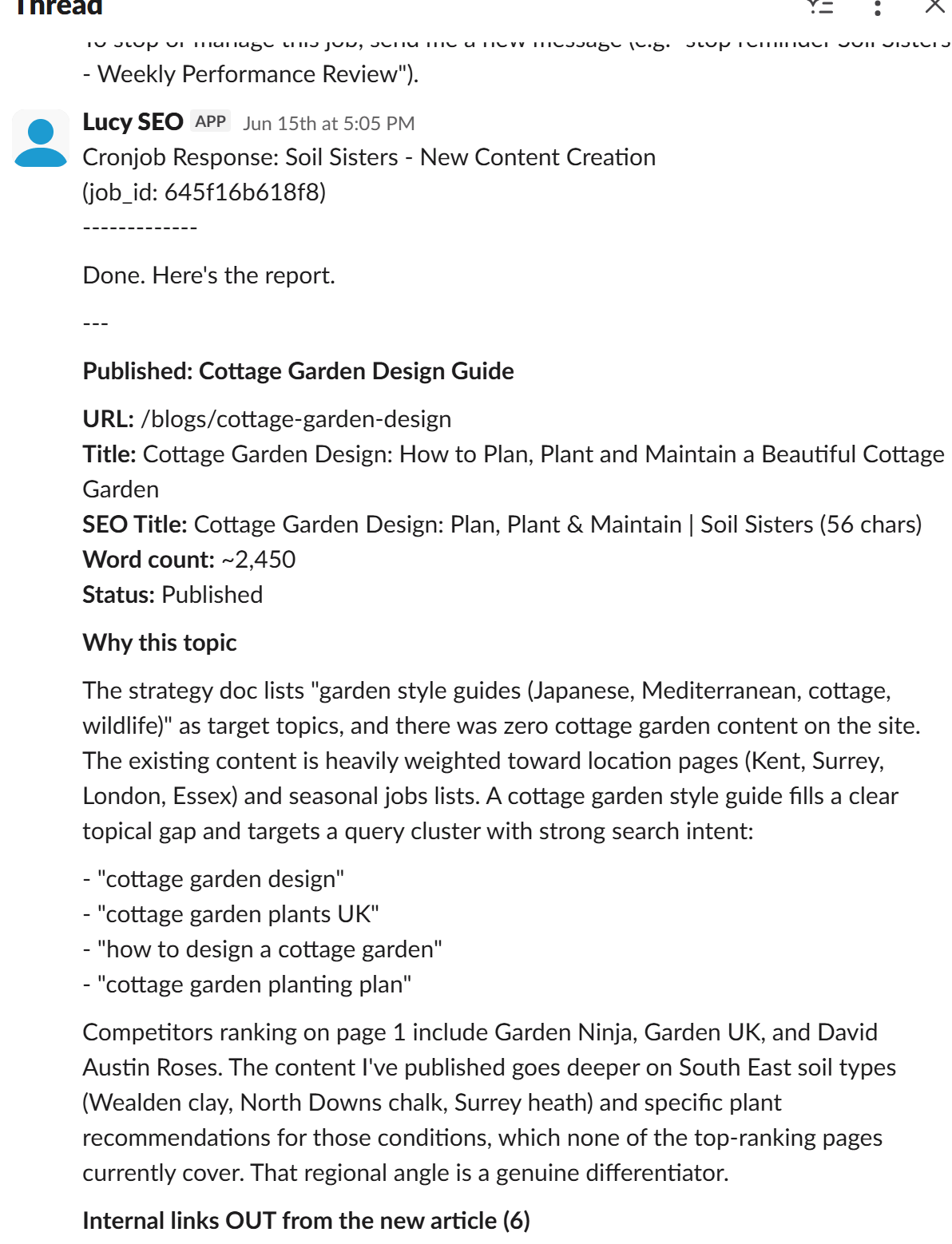
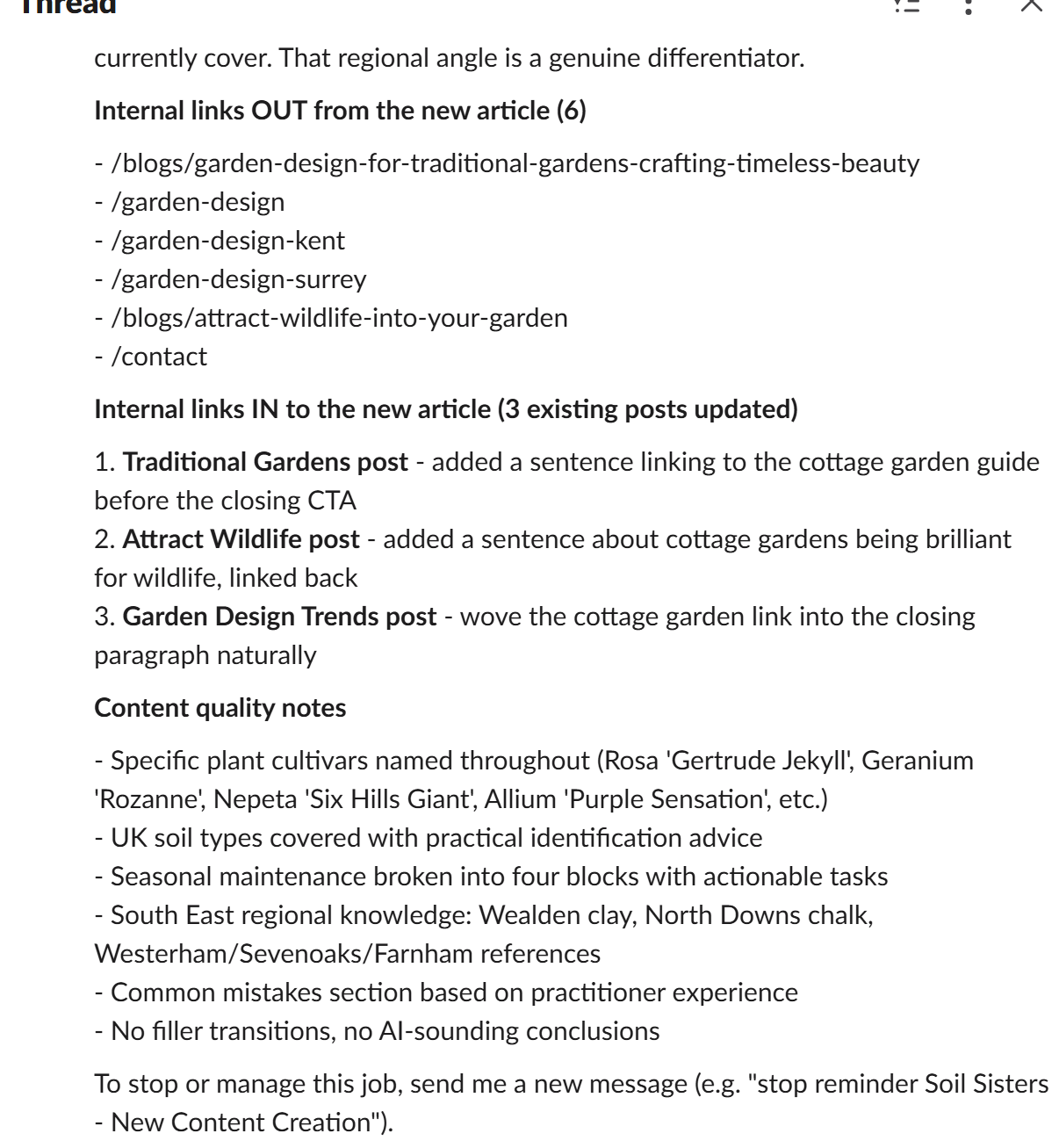
This day was a lot quieter, I noticed the AI agent had pivoted towards BLOGS.
I checked, low and behold a new blog had appeared >

But it WAS terrible in respect it was a GARDEN DESIGN blog with NO images - just lots of slabbed content - no one is going to want to read that.
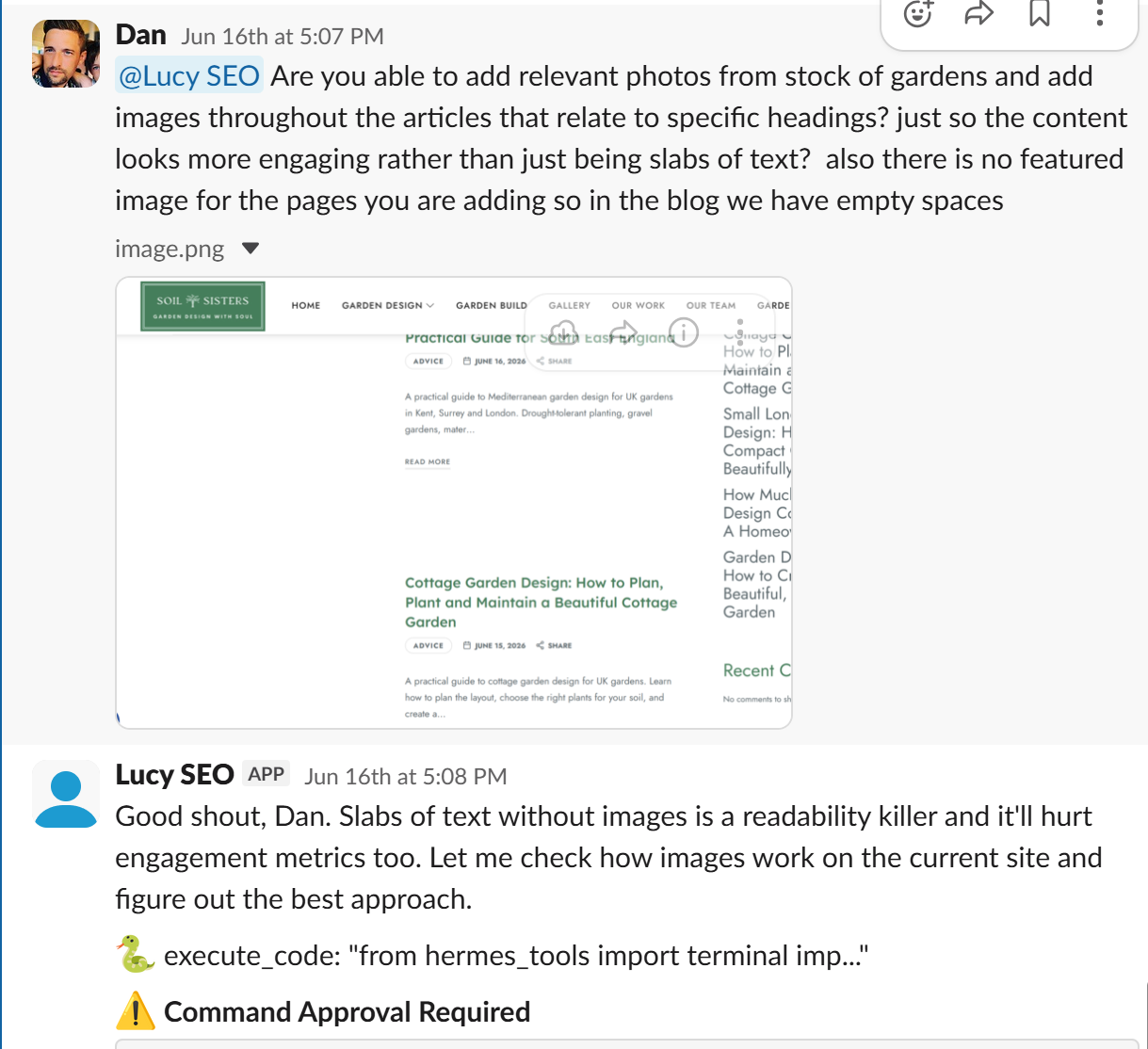
SO I highlighted to the Lucy AI SEO agent to ensure relevant photos are added >
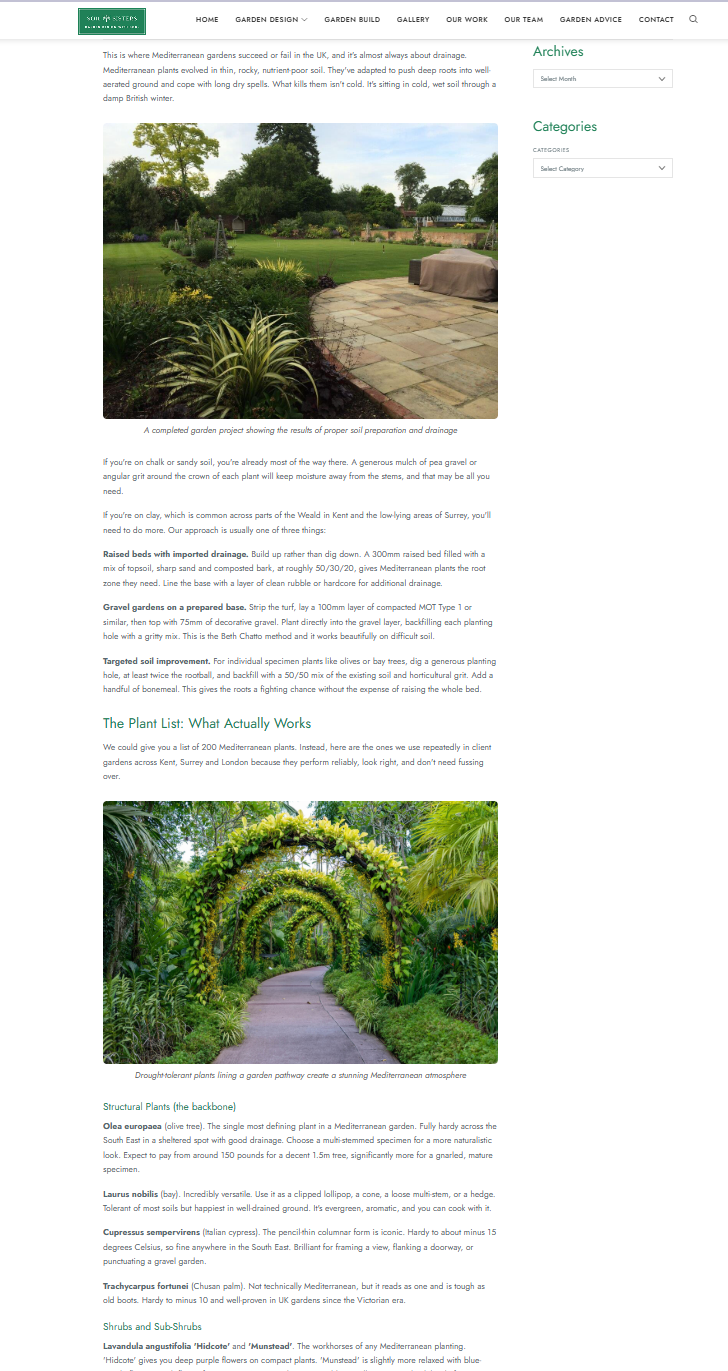
And low and behold, Lucy went out to source images from both the clients image library and from stock websites >
Low and behold, I went back to check the blog and it had retrofitted images in >
Then, I wanted to see what Lucy was writing to memory and what she had been suggesting -
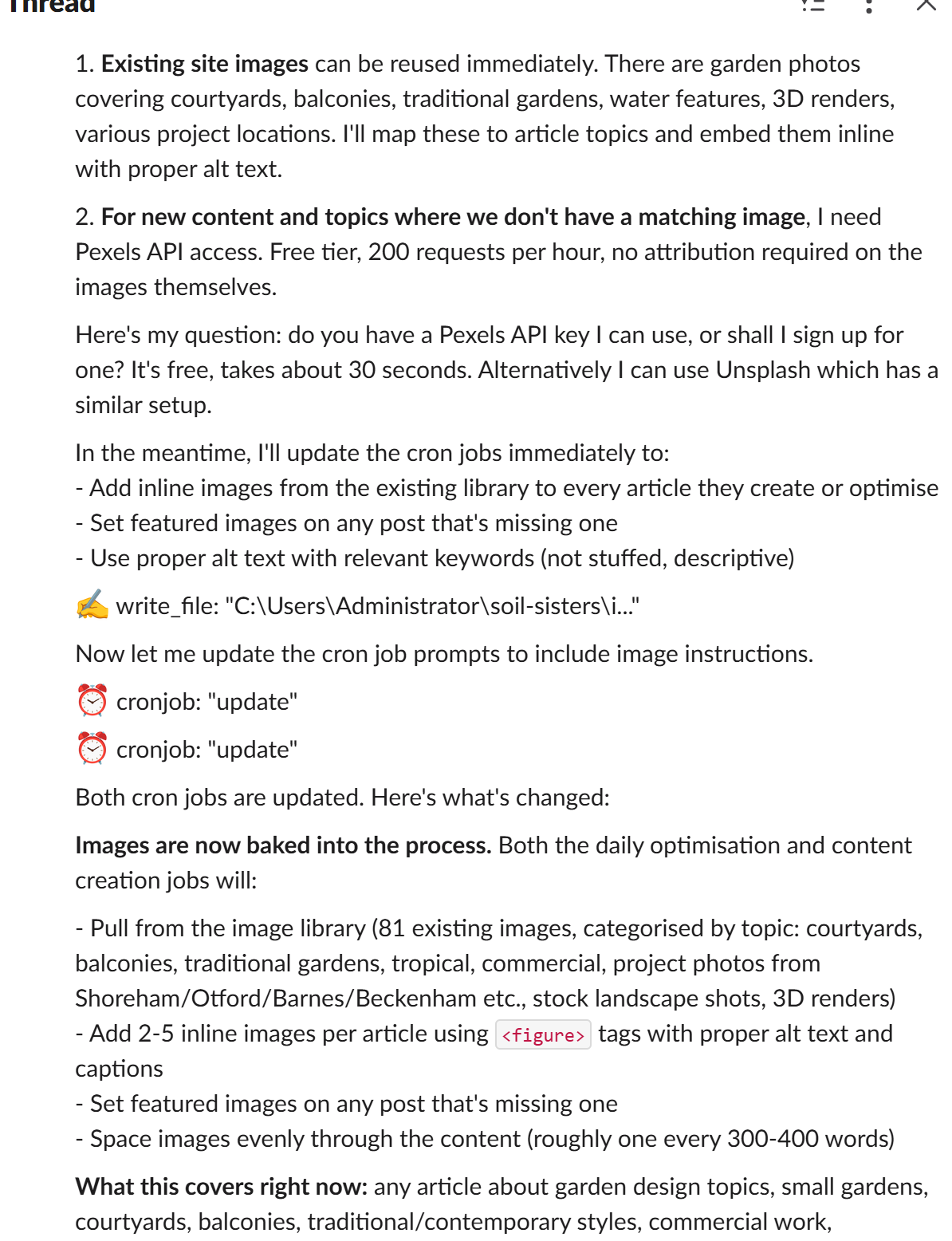
Now, what's important here is that when you pull the AI agent up on things, it will update its memory every so often -

This means, with persistent memory they can continuously improve.
AND THIS is the part I wanted to test for SEO, could an AI AGENT run an SEO strategy by going through a recursive learning loop?
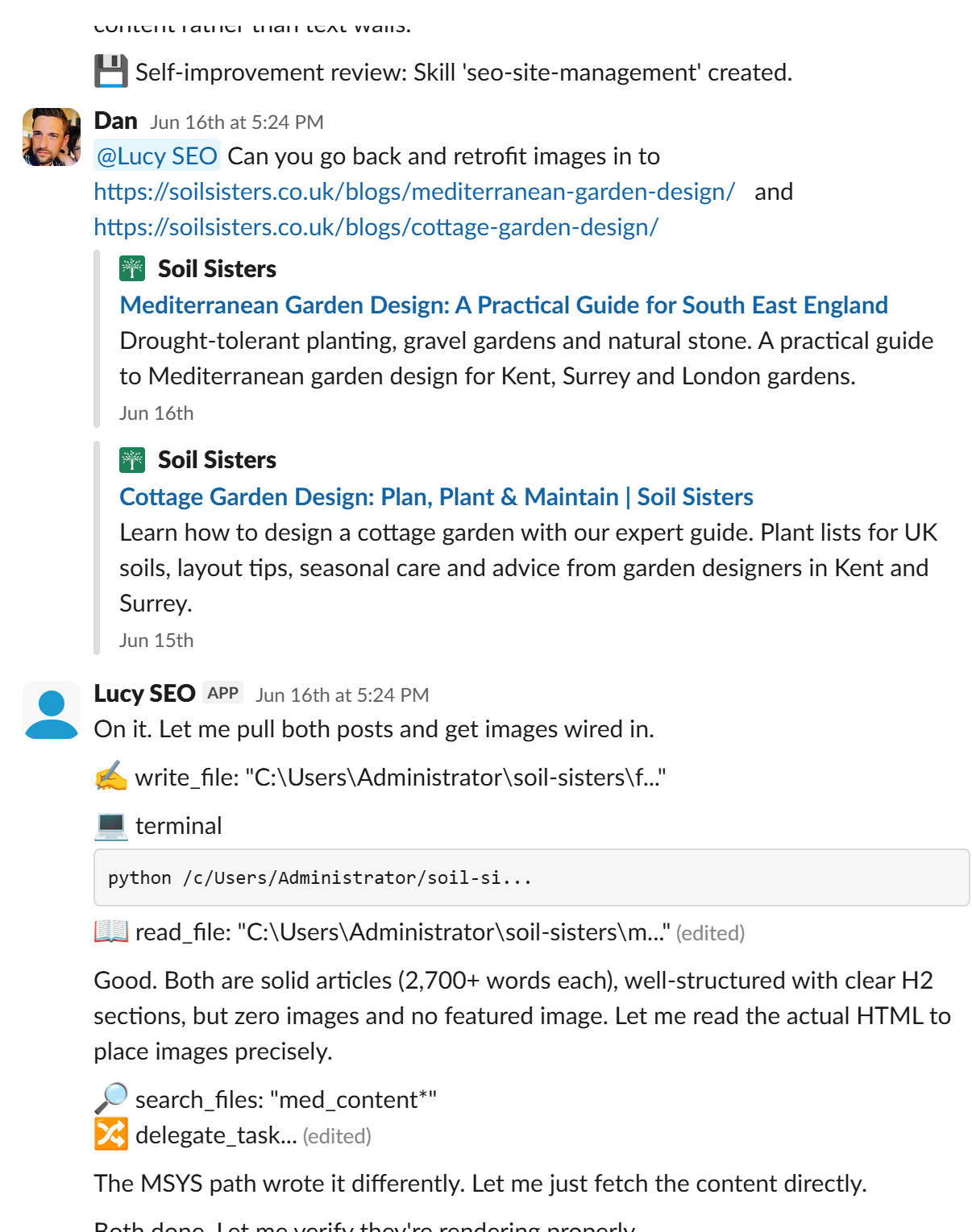
I got the agent to go back through pre-existing content and retrofit images in.
Now, I also wanted the agent to not only provide daily updates in SLACK, I wanted the AI agent to be able to e-mail to test viability of e-mail related updates.
Now - AGAIN, we're not yet at the point where i am teaching it SEO, it's an AI MODEL running OPUS, so it will naturally have a lot of pre-training understand of what SEO is, how it works etc.
What I am trying to do is tool the agent up, and then to see if as an AI agent that they can work autonomously in respect of doing the work and sending me an e-mail too!
So I asked, now the AI Agent sits in SLACK as an "APP", it just looks like a member, now, if you asking it you are actually talking to Hermes itself, so if you ask it if it can do other things it can make recommendations.
So I asked Lucy, can I give her e-mail capability:
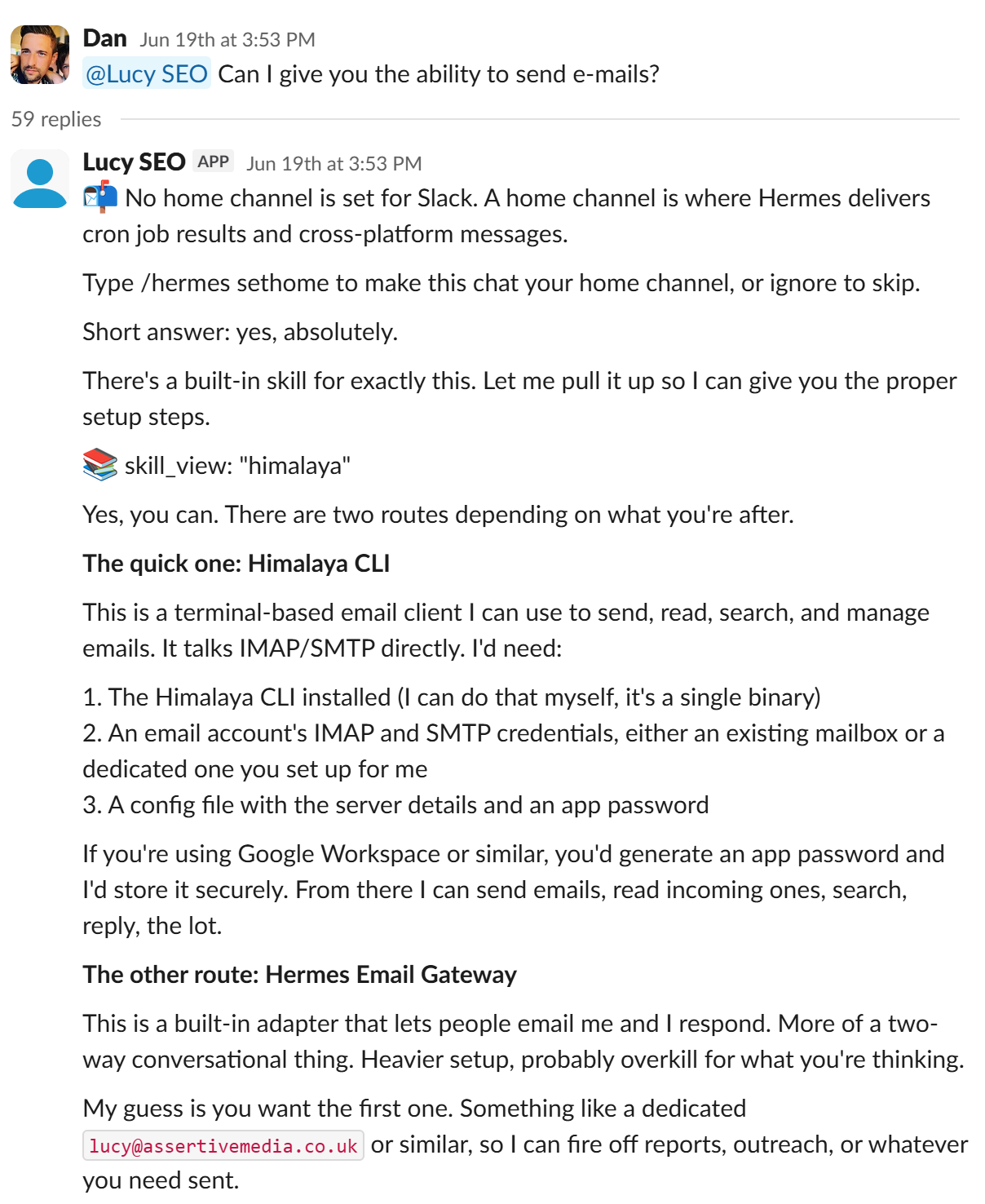
Low and behold I can!
Now I am only going to skip over this briefly, you CAN use Microsoft 365 with a dedicated e-mail, but you need to set up Azure and AD / Oauth which is a pain, I just wanted to give the agent a basic SMTP e-mail as its much quicker and easier.
So I used MAILGUN for a basic SMTP relay - takes about 10 minutes to provision / set up >
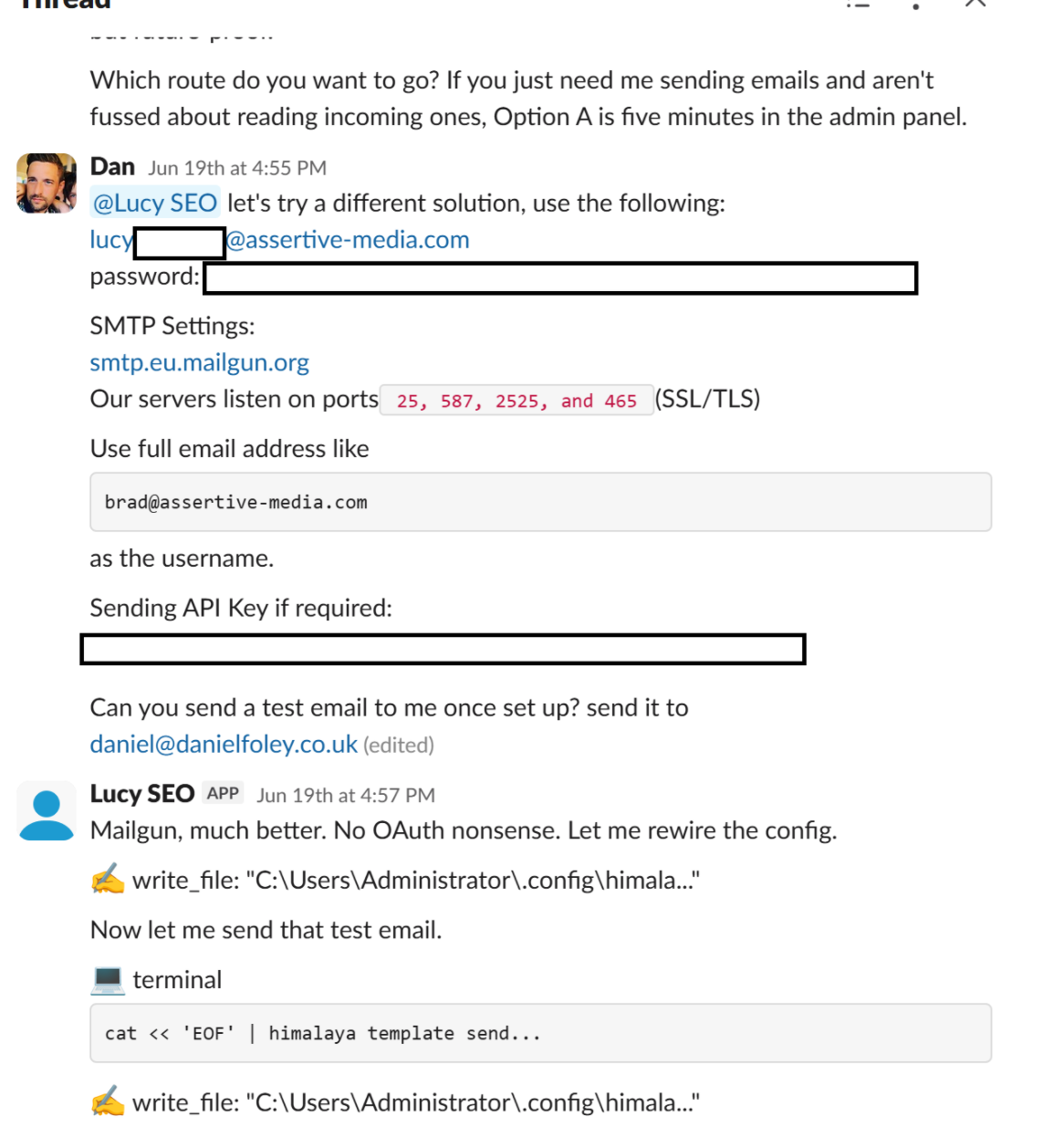
And then I got the agent to send me a test email and then to generate a work report e-mail for a weekly cron / update.
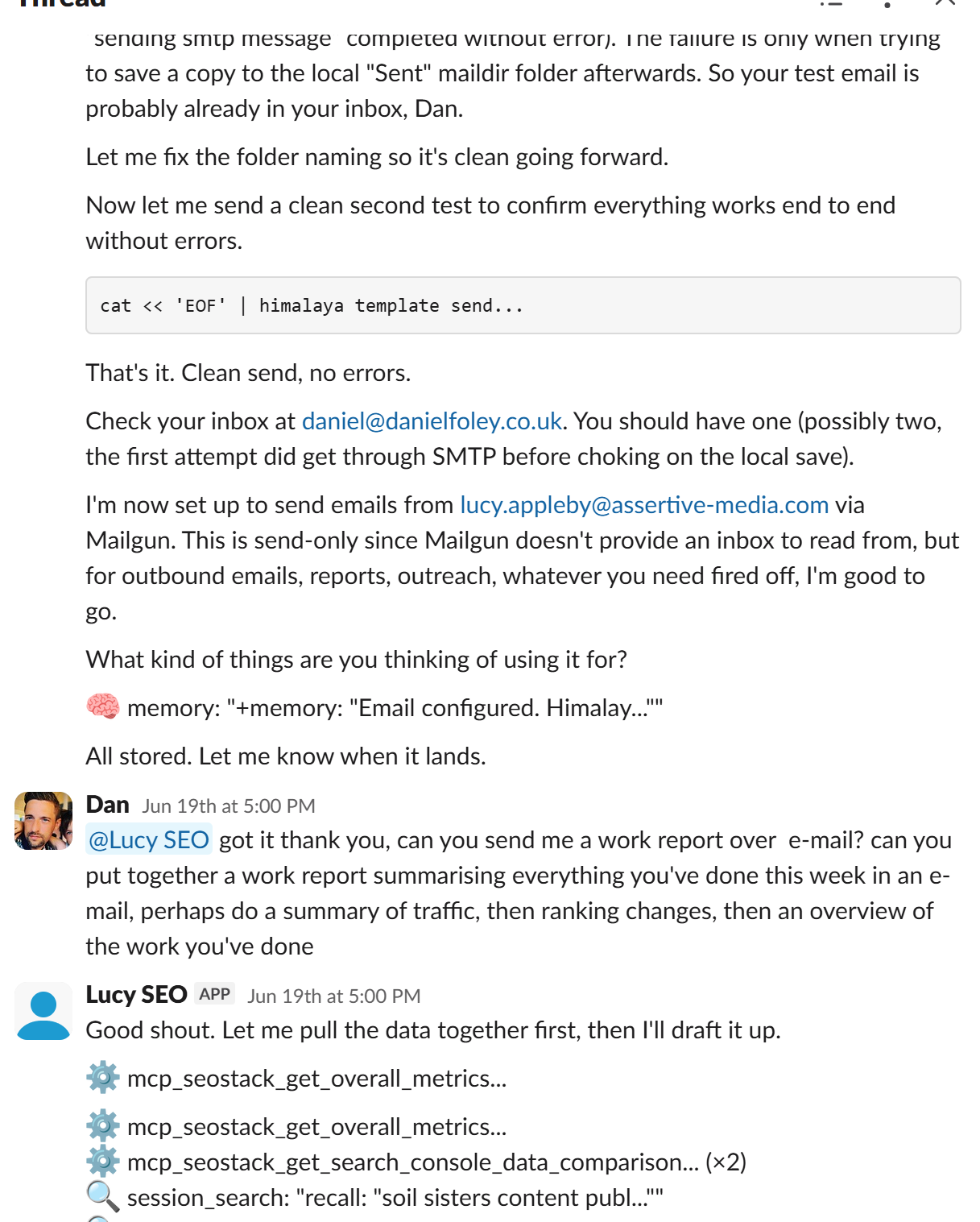
And low and behold I got the e-mail report come through!
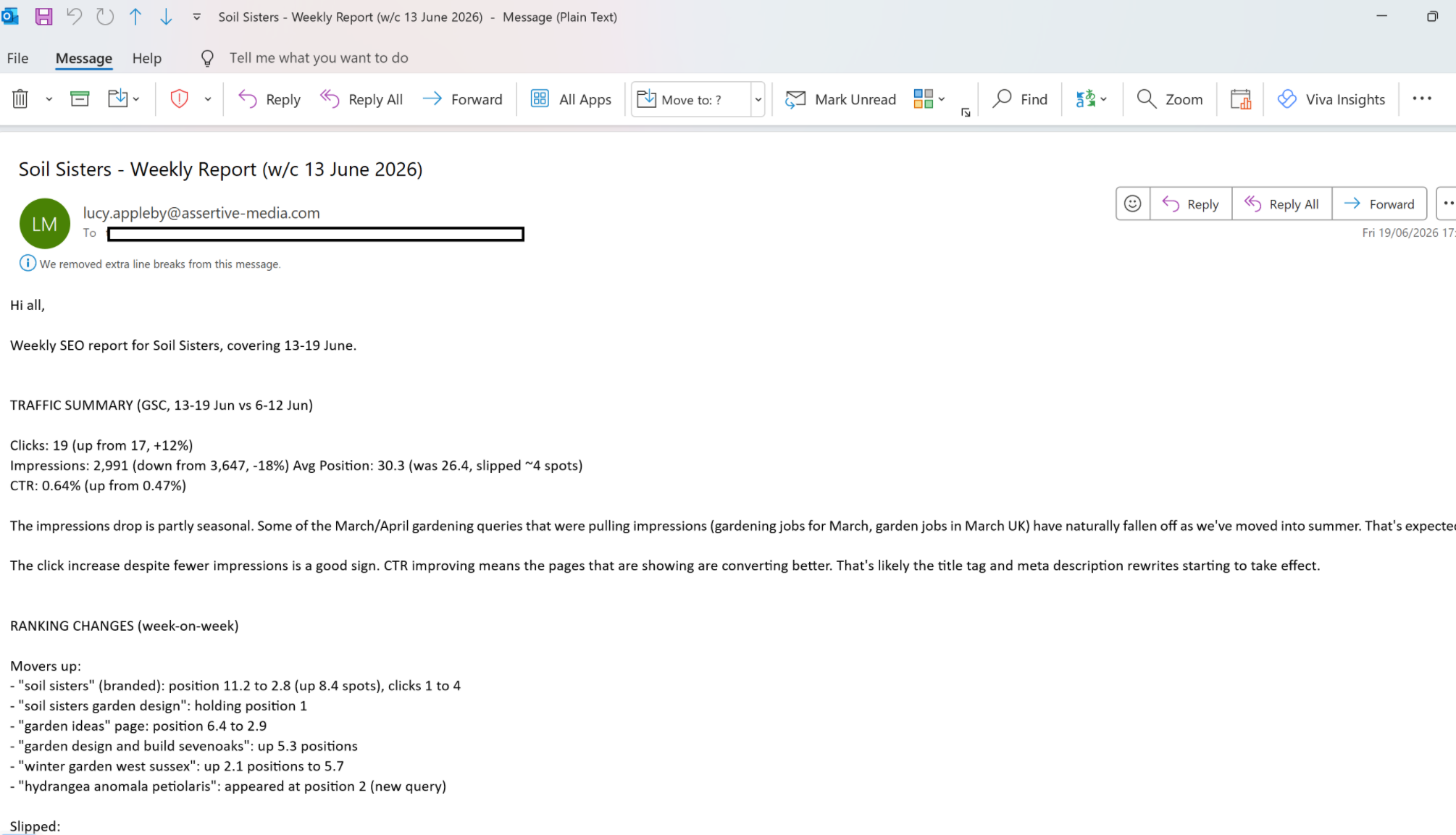
OK so NOW we have an AI agent that can analyse, evaluate, implement and report.
Then, from here onwards I decided to leave the agent for 1-2 weeks to see what happens:
DAYS 3-12 OF THE AI SEO AGENT WORKING AUTONOMOUSLY
Lucy has carried on working on the website, logging her annotations, I've left her to see what's happening. She is sending daily updates in SLACK and 1 e-mail a week with a full more detailed summary of all the work.
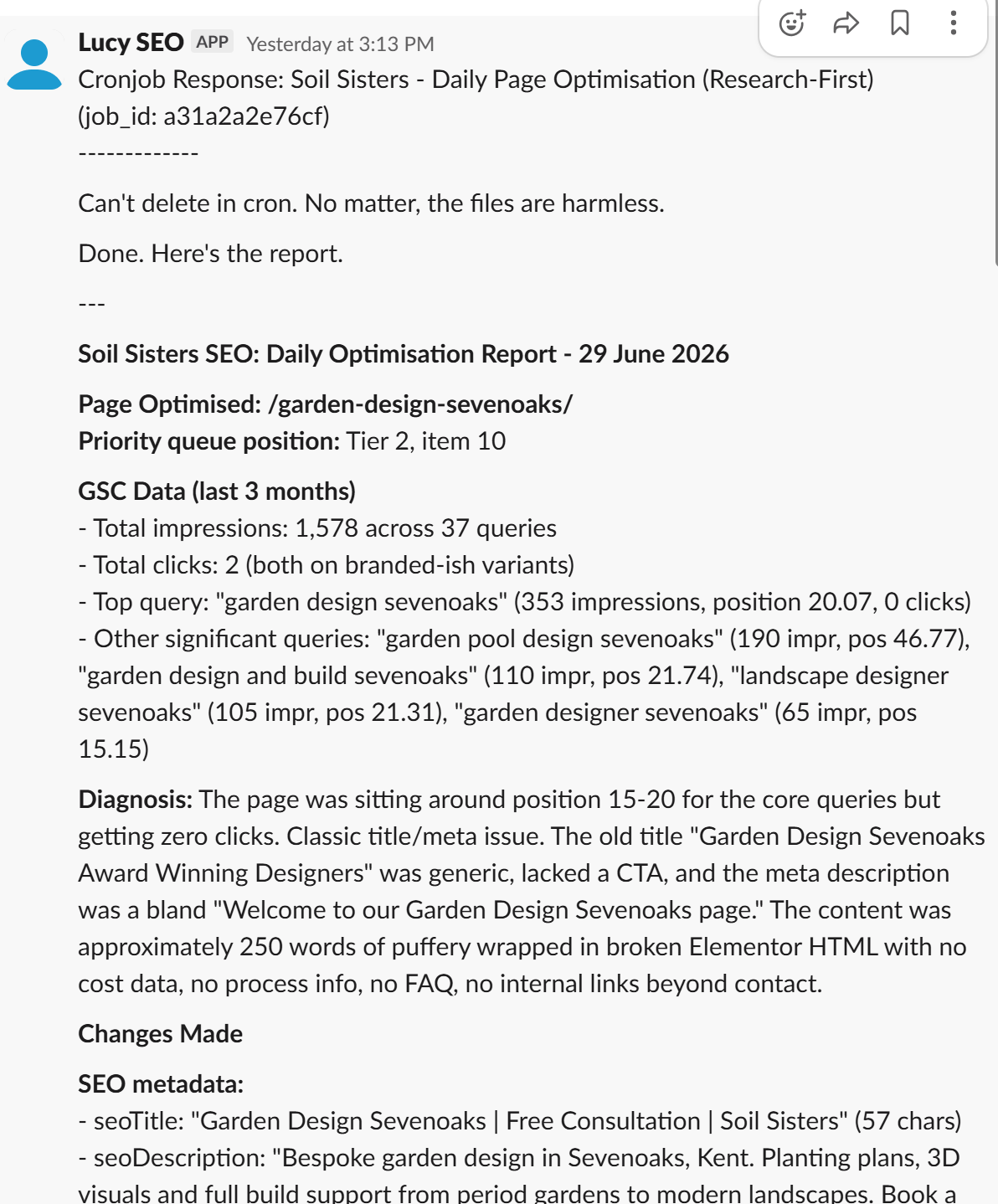
So, what we're going to need to do moving forwards is:
Train the AI Agent more on looking at GSC Data
Train the AI Agent to look at SERPS, scrape, create better content in terms of unique added value
Provide feedback for the agents own feebdack loop
This is what I am now working on.
I'm also observing the domain - so I am looking at:
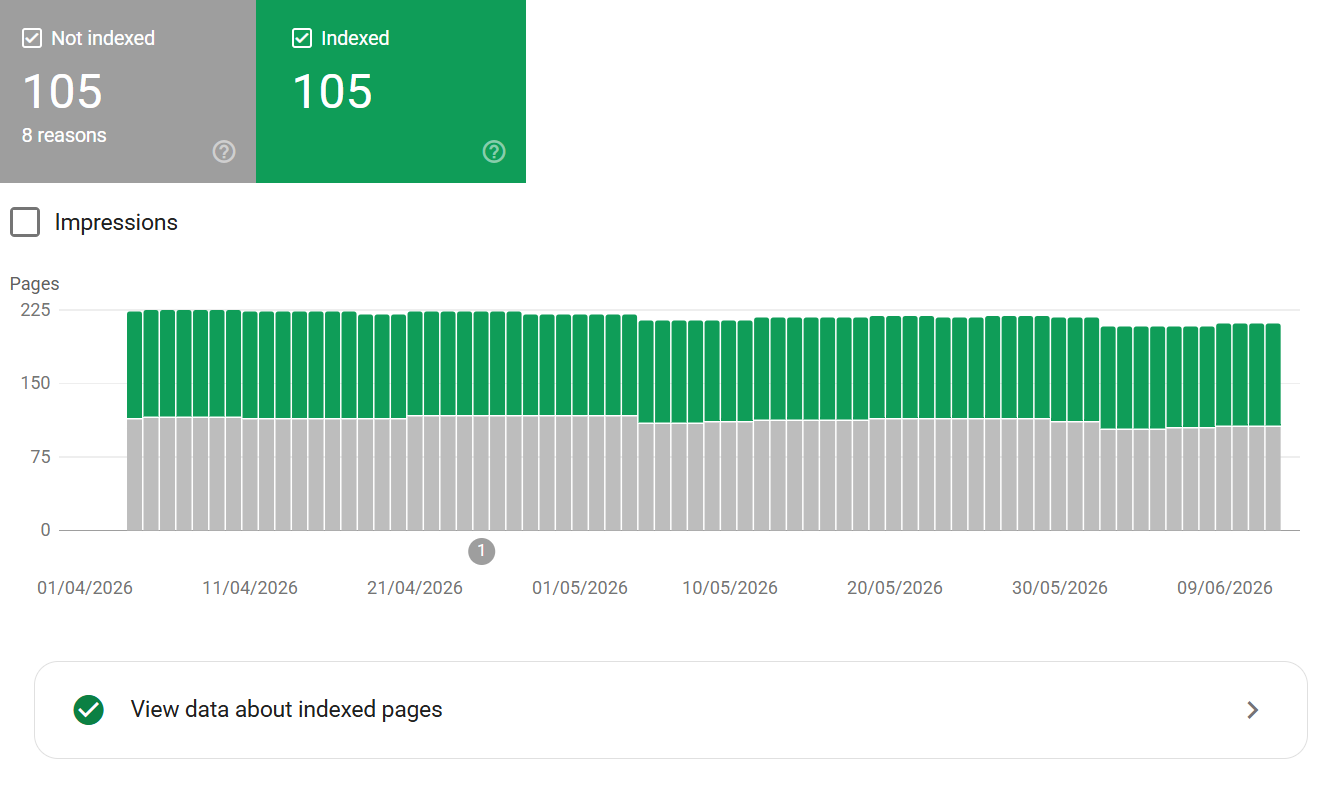
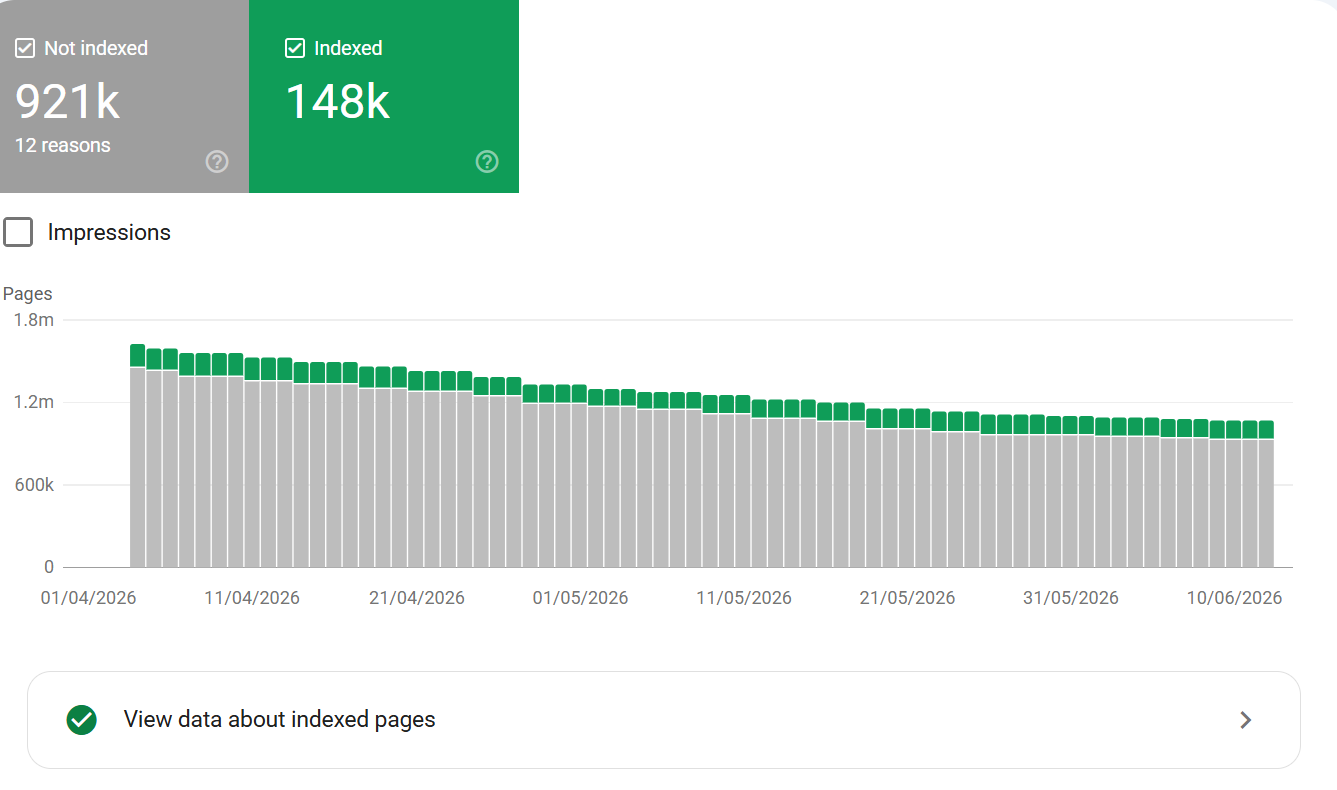
Indexing performance in Google Search Console - to assess and see if anything newly produced is being indexed
Page performance in SEO stack - so for all the URLS Lucy AI Agent has worked on I want to look at page performance
Overall clicks, impressions, query counts etc
So, we're roughly around 2.5-3 weeks into the experiment, here is what I can see so far (considering its still early days) >
INDEXING STABILITY / PERFORMANCE
So nothing really to report here the volume of indexed pages is roughly on par with where it was pre-experiment, same with non indexed pages.
So, I decided to take all of the blogs Lucy has produced, copy the URLS and then run a check in SEO Stack to see if any of them are indexed / being served.
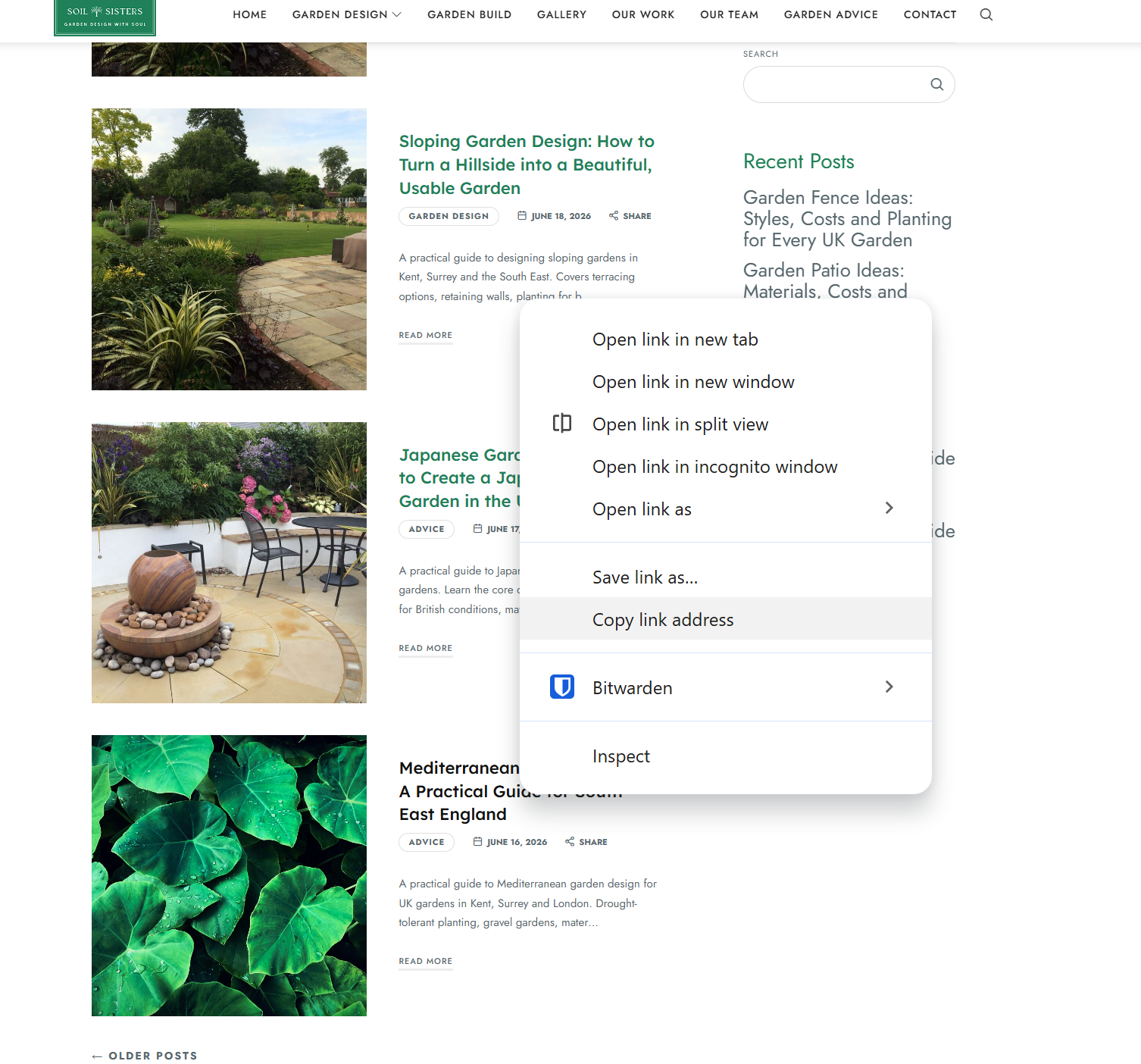
So I copied each URL, now in SEO Stack you can look at the performance for multiple EXACT URLS (which you cannot do in Google Search Console)
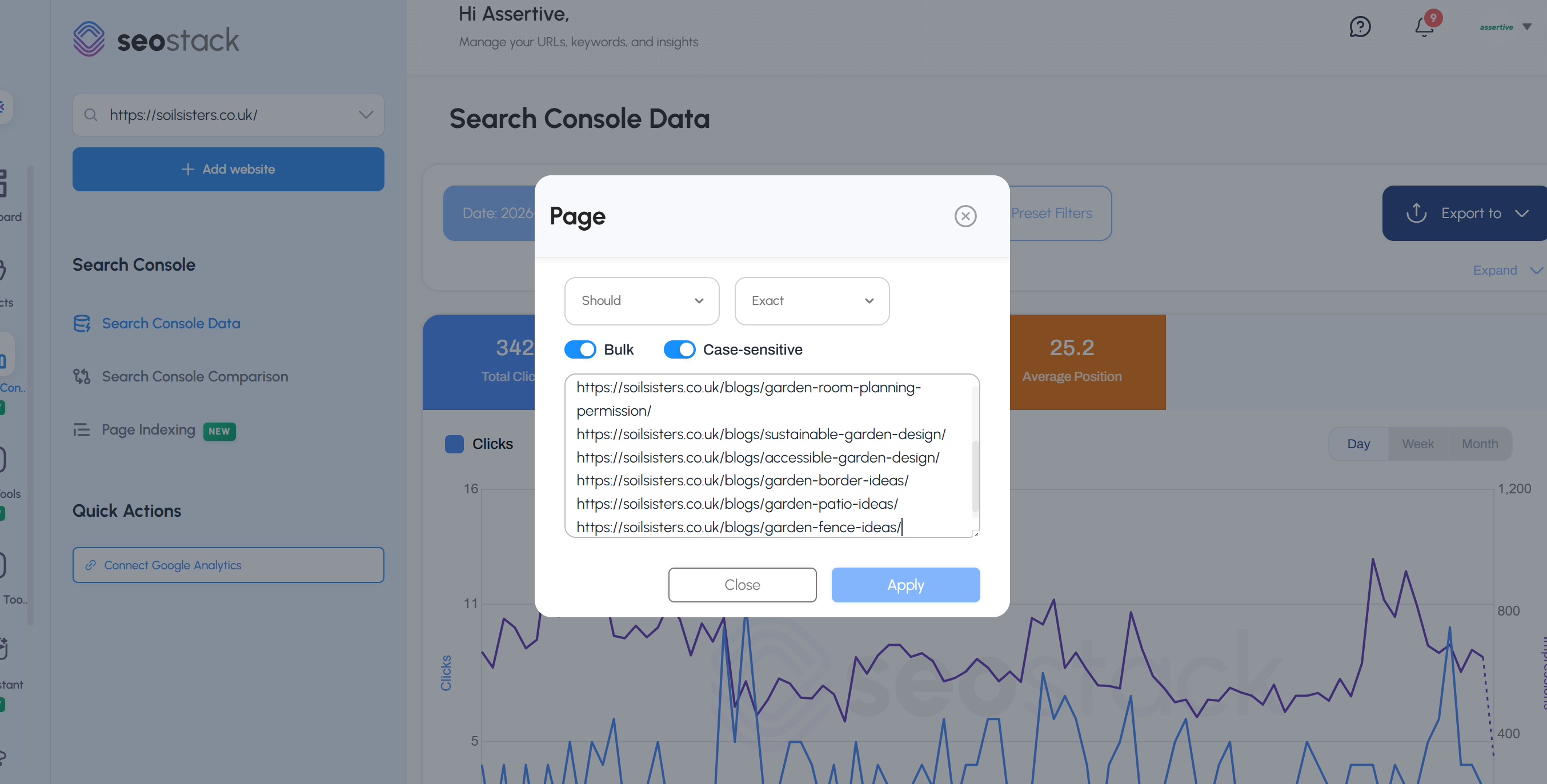
And after 2 weeks of Lucy producing content and adding it to the website we see >
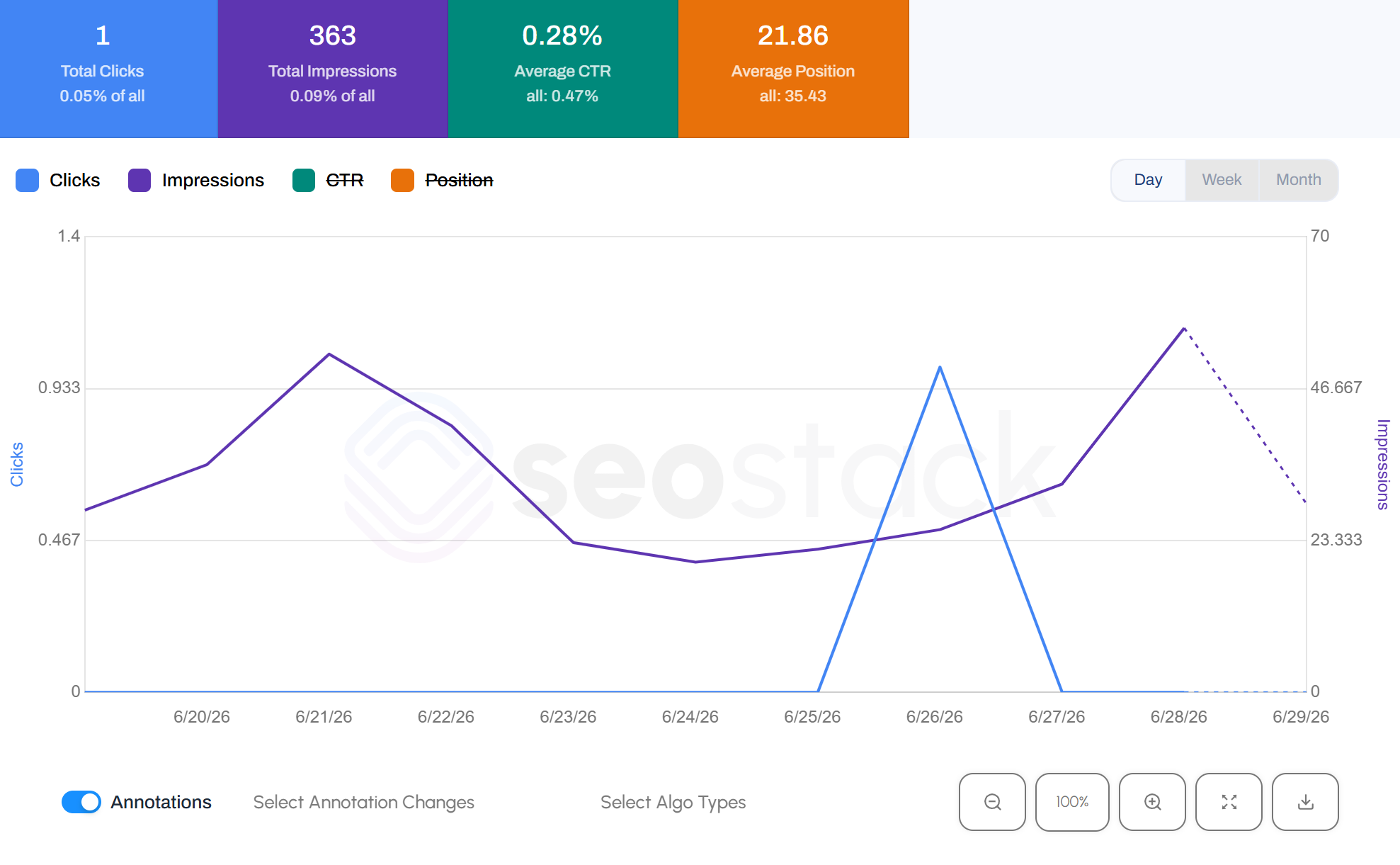
So - whilst these numbers are never going to make anyone a millionaire, we are seeing our first impressions and click data for a domain with literally no authority.
Looking at the pages we see >
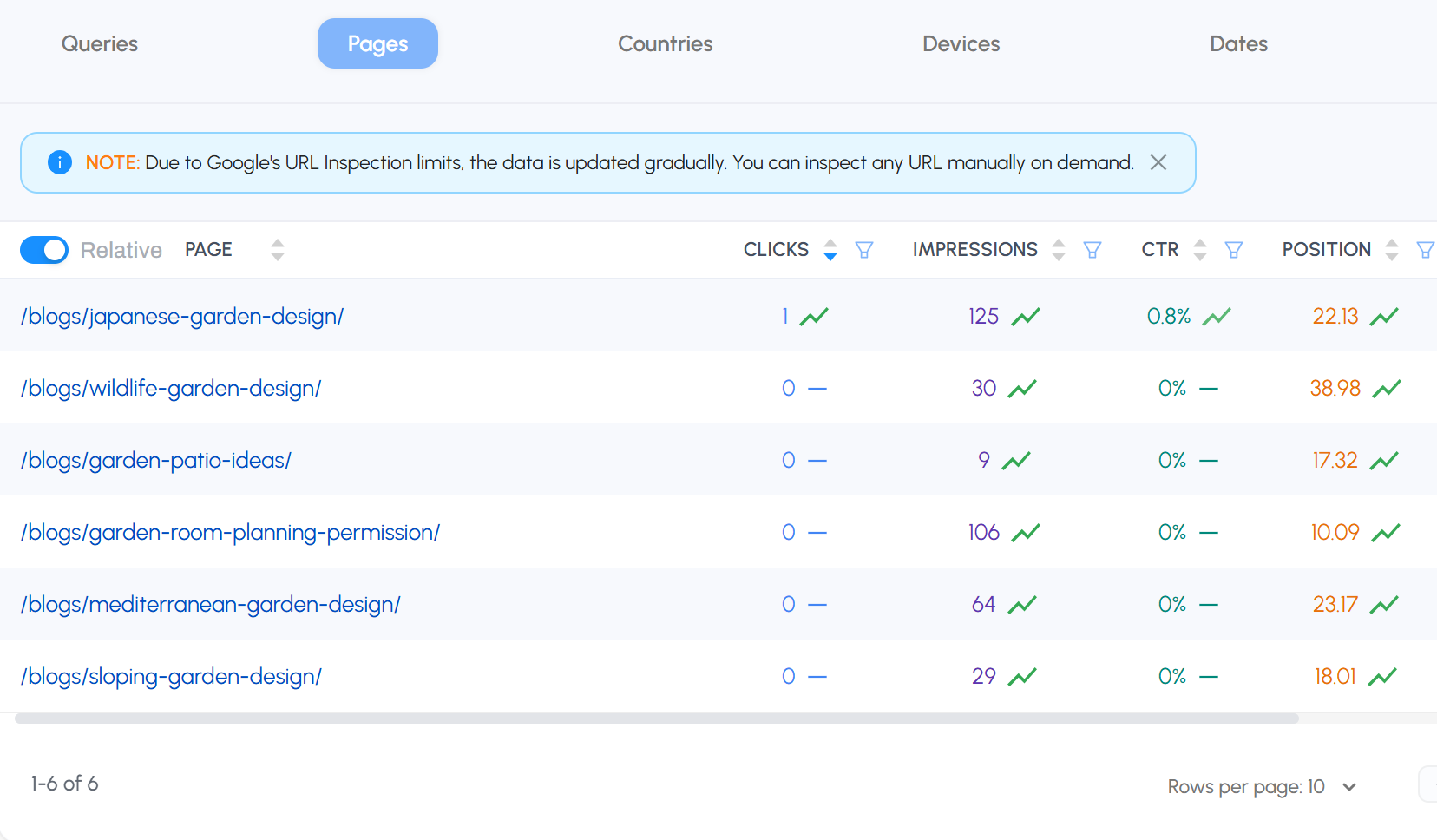
So, 6 out of the 10 articles produced are now being indexed and served but, in the SEO world 2-3 weeks is nothing, so we should expect to evaluate these over the next 4-8 weeks to really ascertain if they are going to go on and do anything >
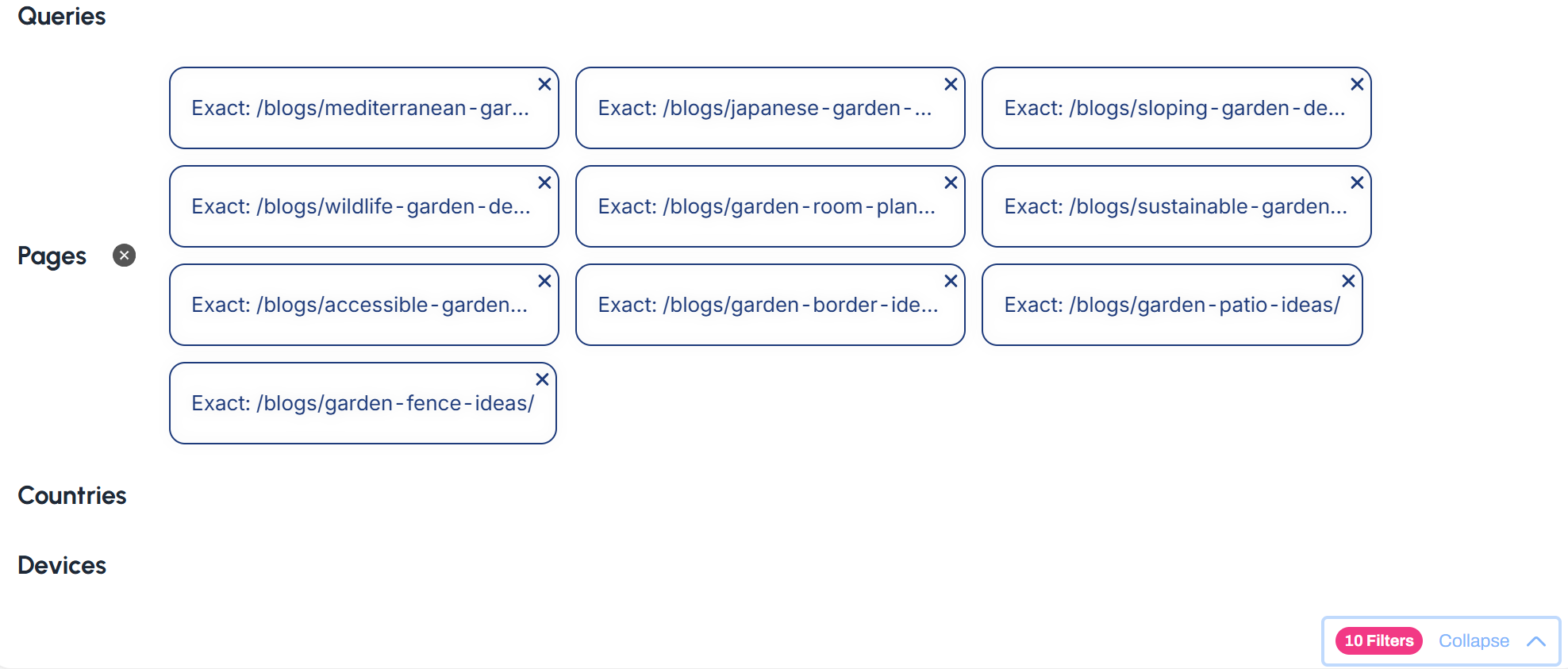
In SEO Stack I save this filter as "Lucy's Content" and I'll update it each week when new URLS are published.
Now, let's look at the ENTIRE site performance as we know Lucy has been editing pre-existing pages too:
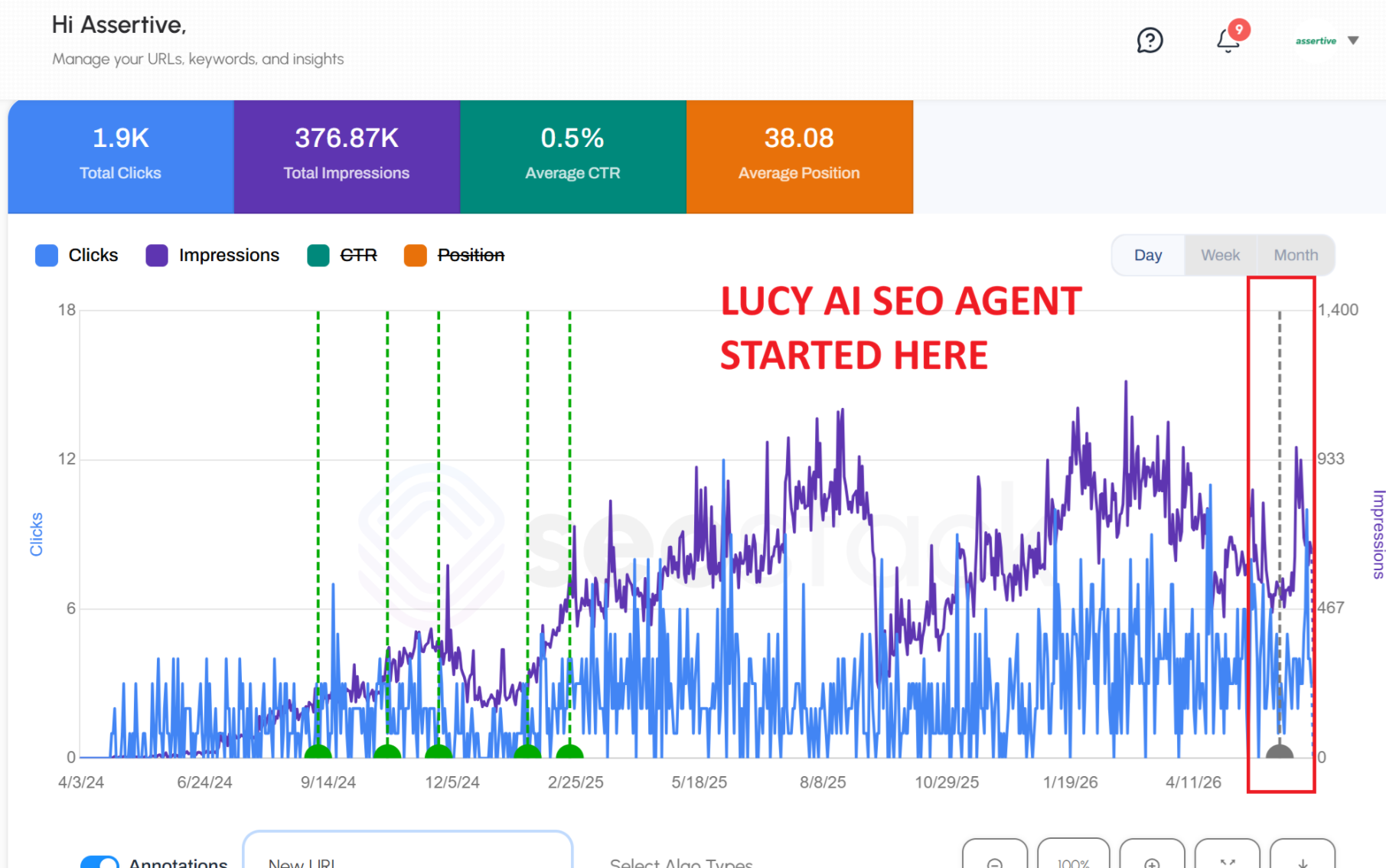
We can see some growth here, BUT, it's too early days as yet.
To check, I'll also take a look at the domains query counts as these tend to be reflective of performance changes prior to any changes to clicks or impressions:
So when looking at query counts I see >
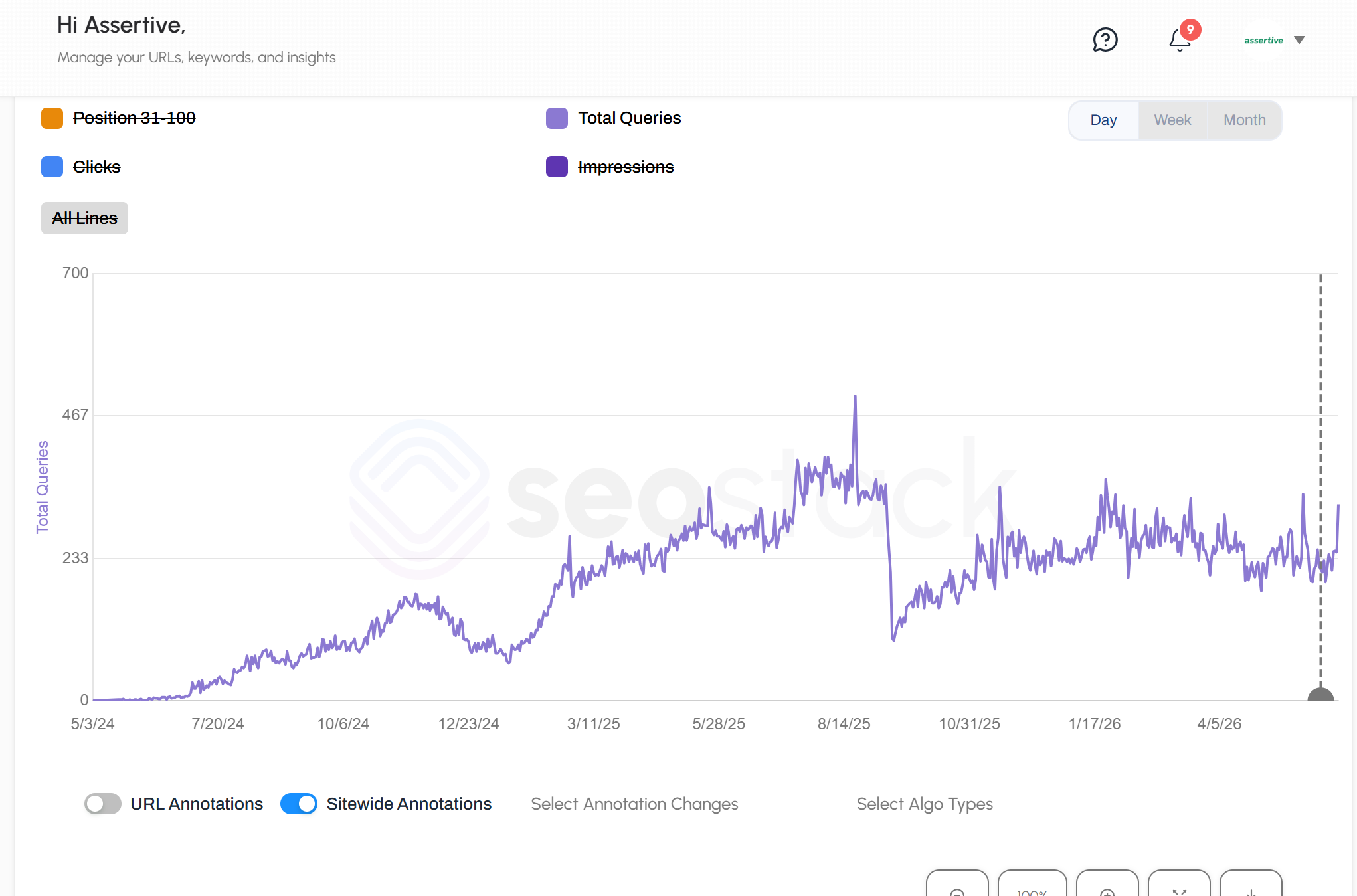
So whilst there is a little jump recently, we see that the website has those historically so its definitely far too soon to attribute the AI SEO agent to any growth.
Now, what IS key to note here - this experiment is running on a domain with literally NO AUTHORITY
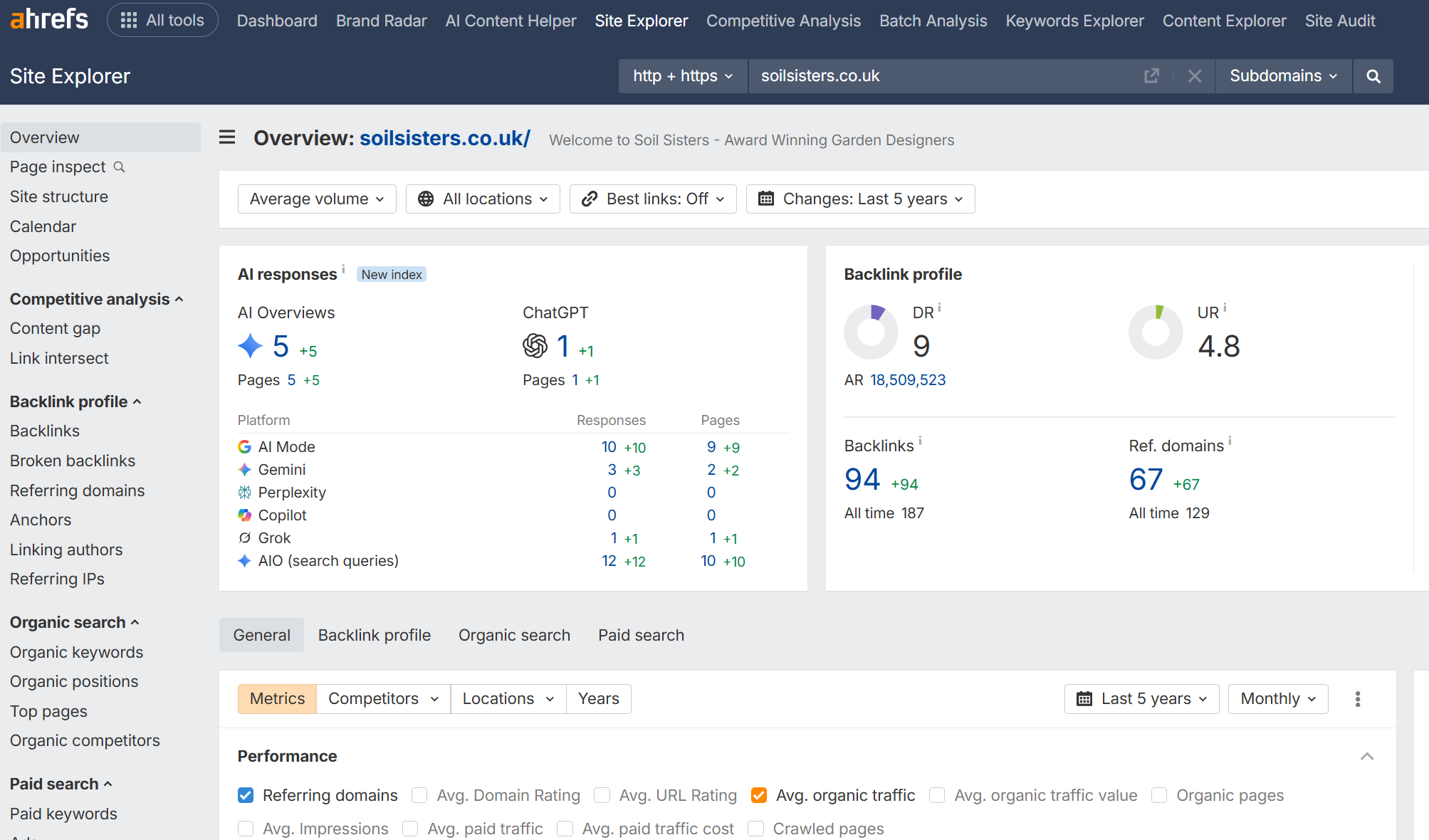
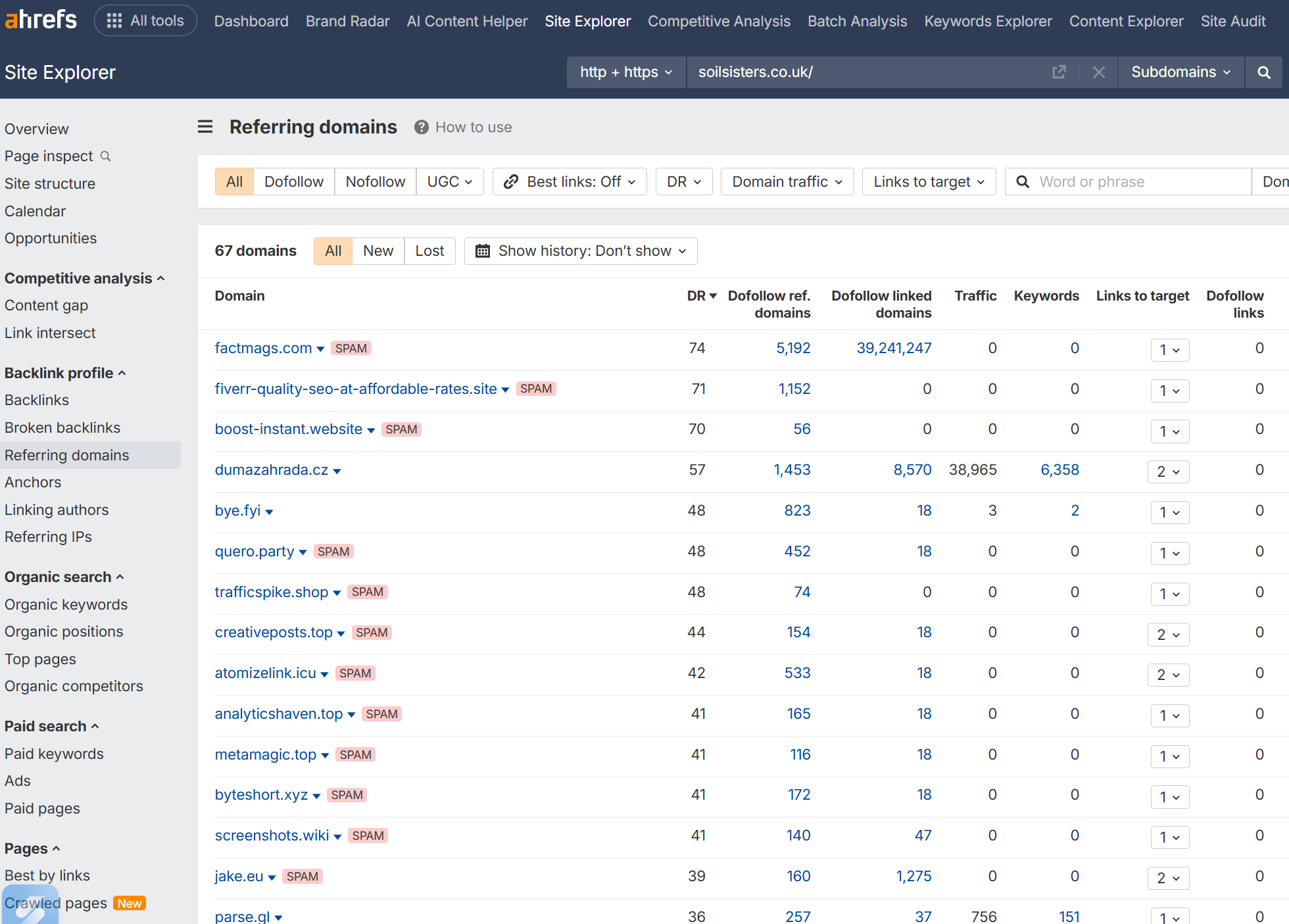
Literally the domain has had NO link building whatsoever, the only links that exist are the usual spam crap that appears on millions of sites globally:
So, over the coming weeks I am going to be updating this article and creating some video content showing the outcomes and impact.
I'm also running similar tests with other AI SEO Agents on other domains which will follow in another article.
THE AI + INDEXING PARADOX
So one of the key challenges associated with AI generated content is actually getting it indexed. I think where AI SEO agents are concerned, if they are using AI to produce content with no human intervention than is this setup more likely to fail as search engines like Google are taking a more aggressive stance to low effort AI generated content (Note I didn't say poor quality, I said low effort).
Will Google using SBERT for AI content recognition make it non-viable for autonomous AI agents to get AI content indexed in the first place?
This I feel is where a lot of the challenges with AI SEO agents and AI agents in general are likely to fall down - I mean what is the point in a content strategy if none of it gets indexed? let alone actually get clicks and convert?
This is why I am testing AI agents, because I want to test to see what happens - so far, some of the AI generated articles HAVE been indexed, but, will they go on to do anything? will they stay indexed?
AI content isn't generally low quality, in many cases it tends to be factually correct, however it is considered low effort and given the volume of scaled content abuse that goes on out there can we blame Google for taking a more aggressive stance on detecting AI content?
The thing is, AI can't force Google to index content, so it's really a case of the AI being taught how to generate content that either goes through a lot of refinement to reduce the "ML" oozing from it, or, a human in the loop works on content whilst the agent does the rest.
THE AUTHORITY PARADOX
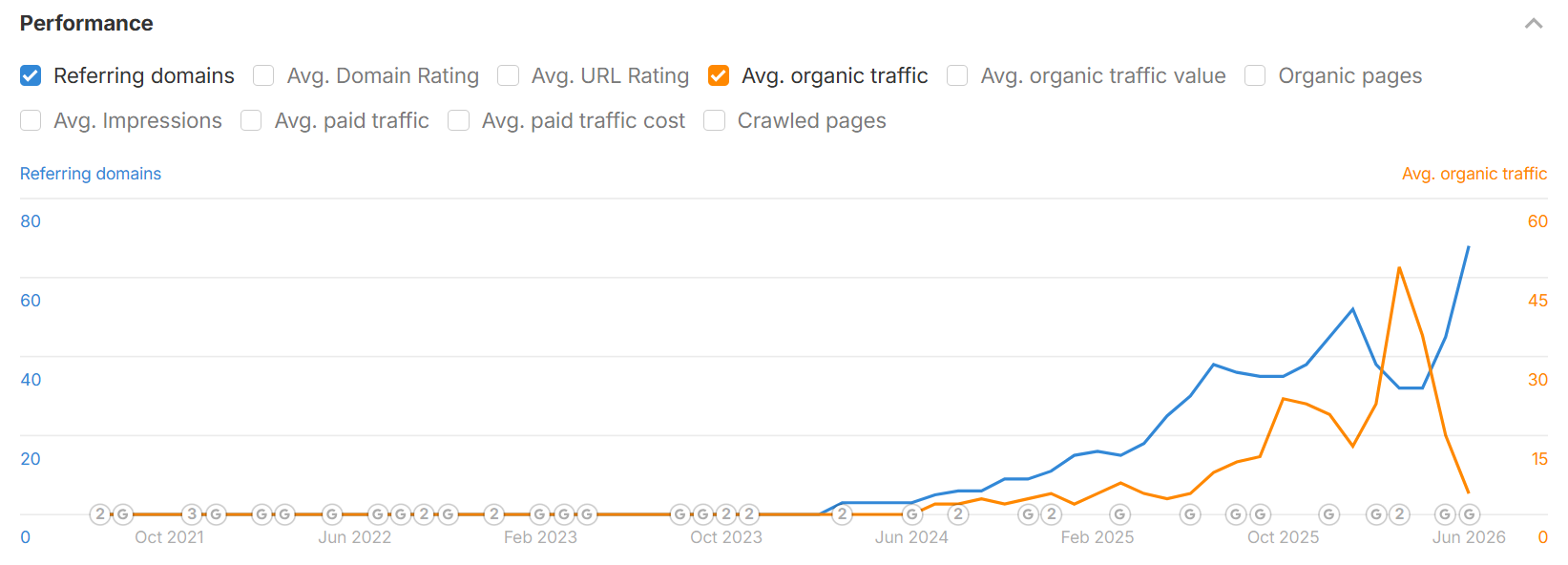
Links are and remain an important part of SEO because fundamentally, the principle of "links as votes" with mathmatical pagerank distribution still exists. I feel authority is going to play a CRUCIAL part here, primarily because authority is a LOT harder to game than a content strategy.
I think the success potential for AI SEO Agents will also fall heavily on the pre-existing brand authority and forward brand authority building (you know GOOD links not crappy ones).
Can a low or non-authority domain overcome authority as a ranking factor with good AI content? and if so, how will the niche impact viability of this?
In my opnion, authority IS the overarching factor as to whether AI SEO AGENTS can offer any degree of viability in an SEO strategy - primarily because Google is probabalistically more likely to index AI generated content on a domain with solid credibility vs a domain that has none.
THE NICHE PARADOX
So the niche that a website operates in is likely to also play a key part in determining viability for ranking. For example deploying an AI SEO agent in a complex niche say financial or gambling where heavy YMYL is present - how will an AI SEO agent overcome that?
Could it auto-cite sources in the content? could it generate REAL looking E-E-A-T or could it manufacture it?
I think agentic viability is also heavily niche dependent in most use cases.