









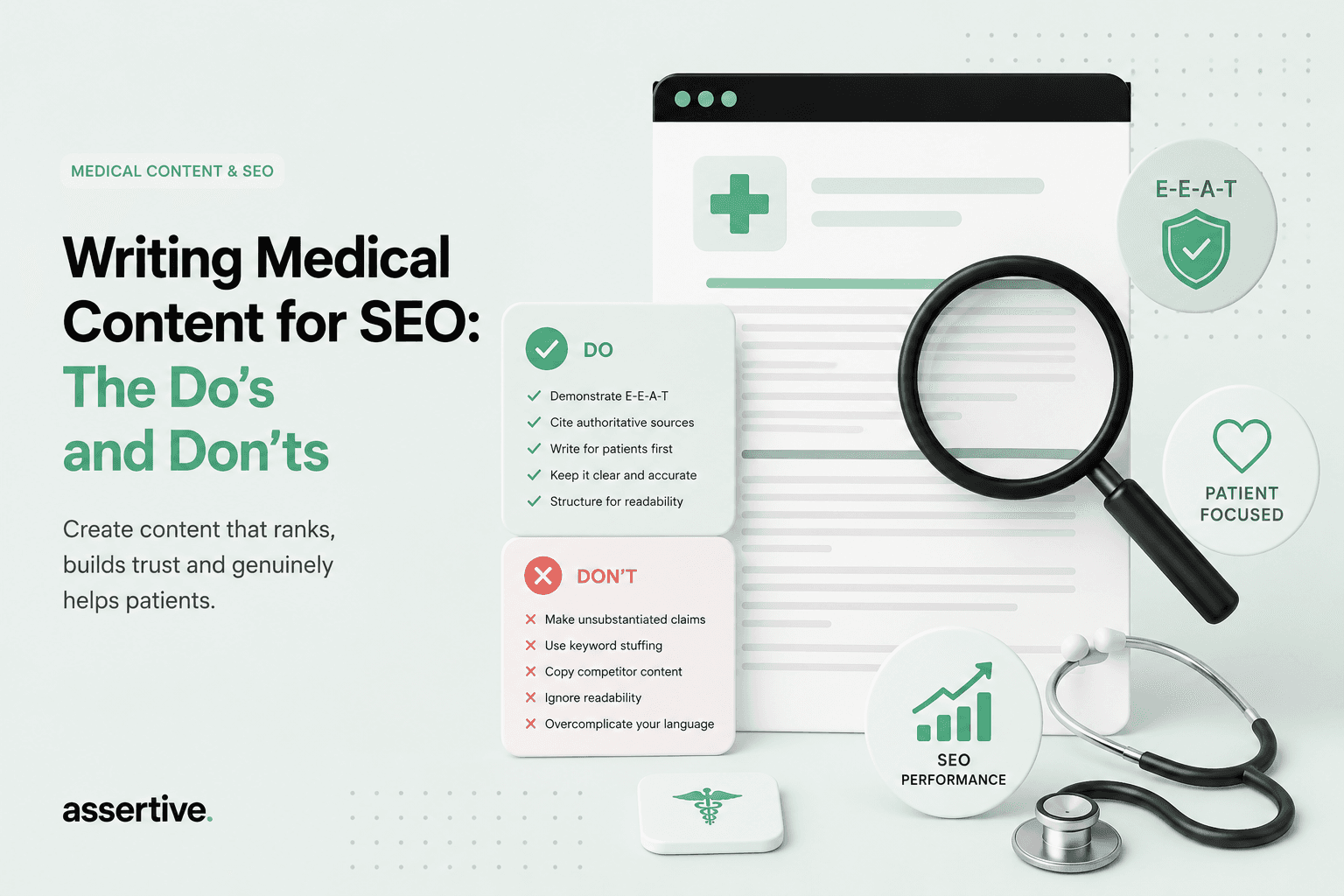

Medical content is one of the hardest content verticals in SEO, and I say that having worked across pretty much every industry going since the late 90s - finance, gambling, legal, travel, you name it I've worked in it. Regulated niches tend to be a lot more challenging when it comes to producing content - this is because bad information or "false/wrong" information COULD potentially be harmful, that's especially true for medical and healthcare.
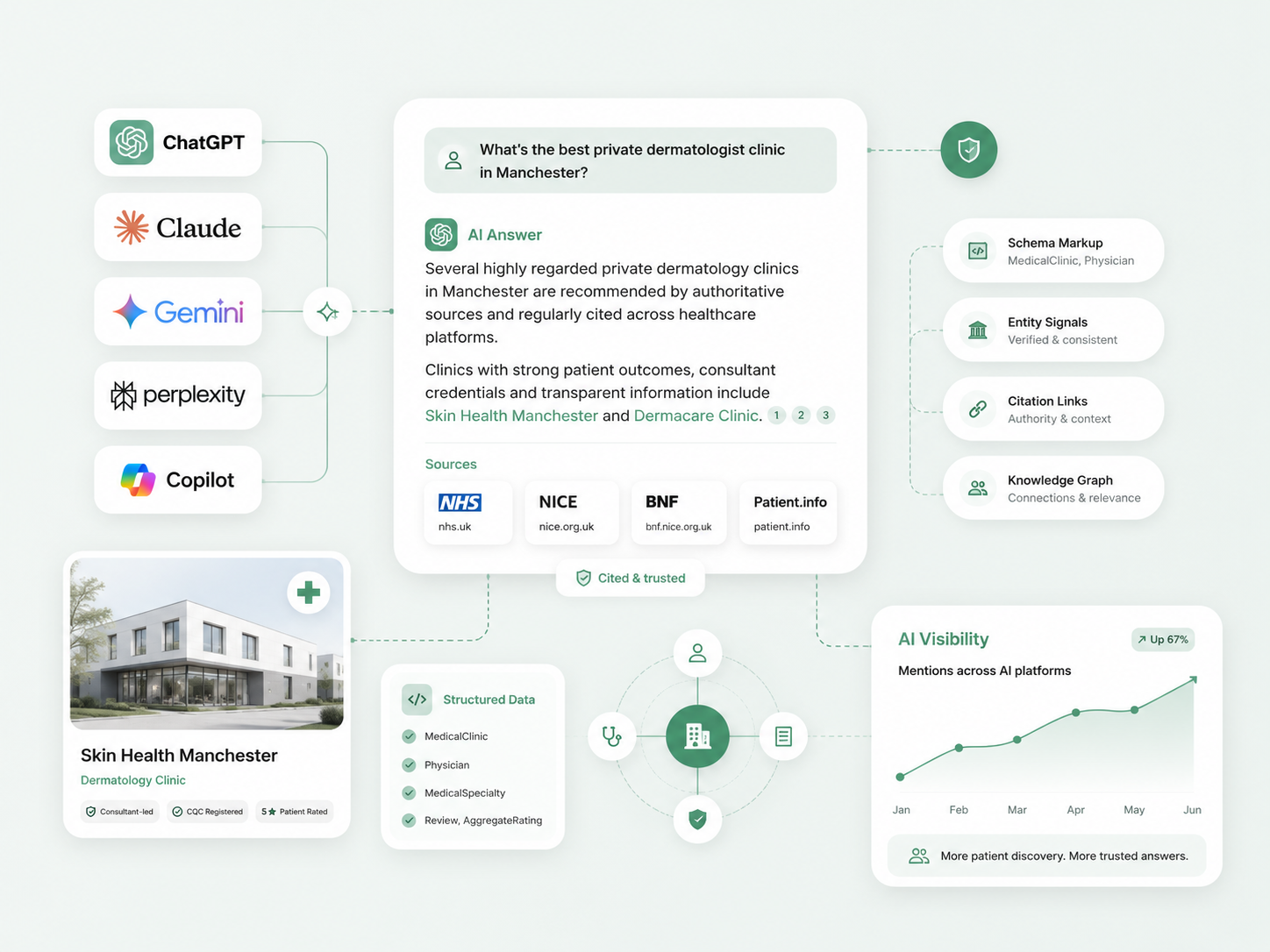
So, Why is it the hardest?
Because Google typically holds health content to a standard that most other content simply doesn't face, and rightly so. For example, if you get a travel blog wrong (or your opinion is different from general consensus) and someone books a rubbish hotel - no harm done, except for maybe a frustrated traveller. Get medical content wrong and someone delays seeing a doctor, takes the wrong dose of something or self-diagnoses a serious condition off the back of a poorly researched symptoms page - that can expose people to massive risk.
We do a LOT of work in this space at Assertive - we've grown regulated UK online pharmacies, medtech brands and clinics - and the single biggest pattern I see when healthcare sites come to us with declining traffic is this:
The content was written like generic content.
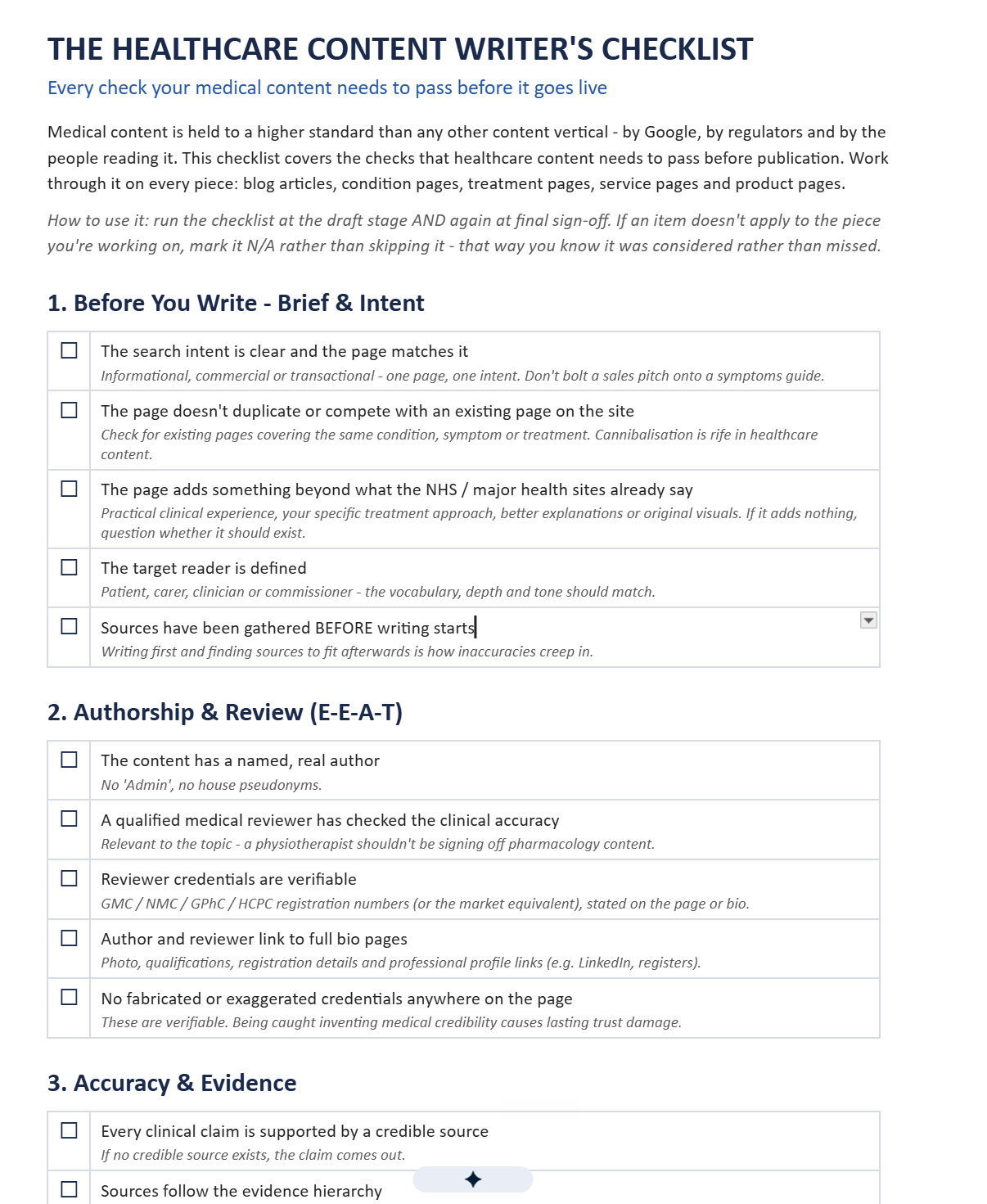
Same briefs, same writers, same process they'd use for a fashion brand or a SaaS company. That doesn't work in healthcare, and in this article I'm going to explain exactly why, what the do's and don'ts are, and I've also put together a free downloadable checklist your content writers can work through on every single piece of healthcare content they produce.
In Healthcare SEO, you simply cannot just use general copywriters / content writers to produce content, not because they can't write it, but, without medical understanding or qualifications there's a greater chance they could make mistakes or leave out key facts or trust signals from content that is absolutely required.
And whilst we do see MORE general writers using AI to help them produce medical content, the issue is, if you DON'T fully understand or specialise in the medical/health niche, you are still more likely to get things wrong (or omit important things). Whilst AI reduces this risk somewhat, it doesn't eliminate it, and, let's not forget, AI content won't have the same conversion or engagement potential as something that's been properly written and reviewed by a medical profeessional.
That being said, I absolutely MUST make it clear that this is "generalised" it's not explicit, I have seen general copywriters produce medical content that ranked, it's not a blanket statement here, BUT, the general consensus is, writers who specialise in healthcare copy production are more likely to "get it right".
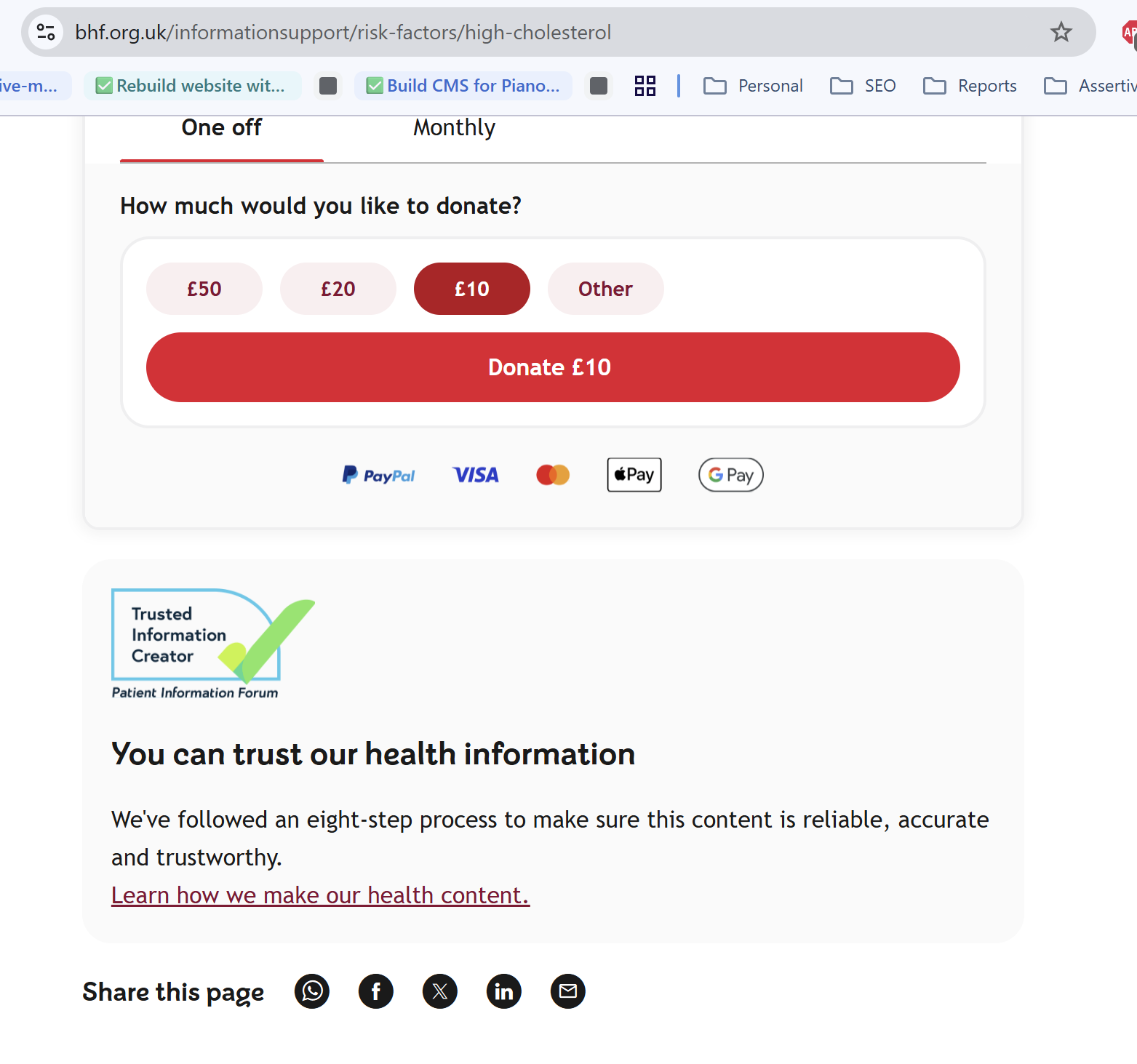
Another criteria that's of some importance is health sites highlighting how they produce their content, who wrote the article and who medically reviewed it (part of bolstering trust across YMYL/E-E-A-T)
i.e. Google information around understanding whether you have high cholesterol and you'll get articles from established medical brands i.e. in the UK we have the BHF (British Heart Foundation) >
First - Understand What You're Up Against (YMYL)
Google classifies health content as YMYL - "Your Money or Your Life". These are topics that can significantly impact a person's health, safety or financial wellbeing.
For YMYL topics, Google's Search Quality Rater Guidelines are explicit - pages need a high level of expertise, authoritativeness and trustworthiness, and medical advice should reflect well-established medical consensus. Not opinion, not a hot take, consensus.
What does that mean in practice?
Content written by "a content writer" with no medical input is at a structural disadvantage - because they're more likely to leave out material information by accident (not purposefully)
Content that contradicts medical consensus (even accidentally through sloppy wording) is a liability - so anything a content writer has written where the general consensus is different, this could be something like a violation of a statement of fact
Content with no verifiable authorship, no sources and no review process will struggle to rank against sites that have all three - BUT, we should be careful here, some medical sites rank well but show no author, it will really depend on a lot of other factors
And here's the thing a lot of people miss - YMYL scrutiny doesn't just apply to your blog. It applies to your service pages, your product pages, your FAQs. If you sell or provide anything health related, the whole domain is effectively being evaluated through a YMYL lens.
Not all sites are the same, the requirements for authors or medically reviewed content will depend highly on the target sites branding and authority. So, looking at an example of this - we know healthline.com is a HUGE publication covering millions of health related queries. If we Google a search for "worlds healthiest nuts" we see >
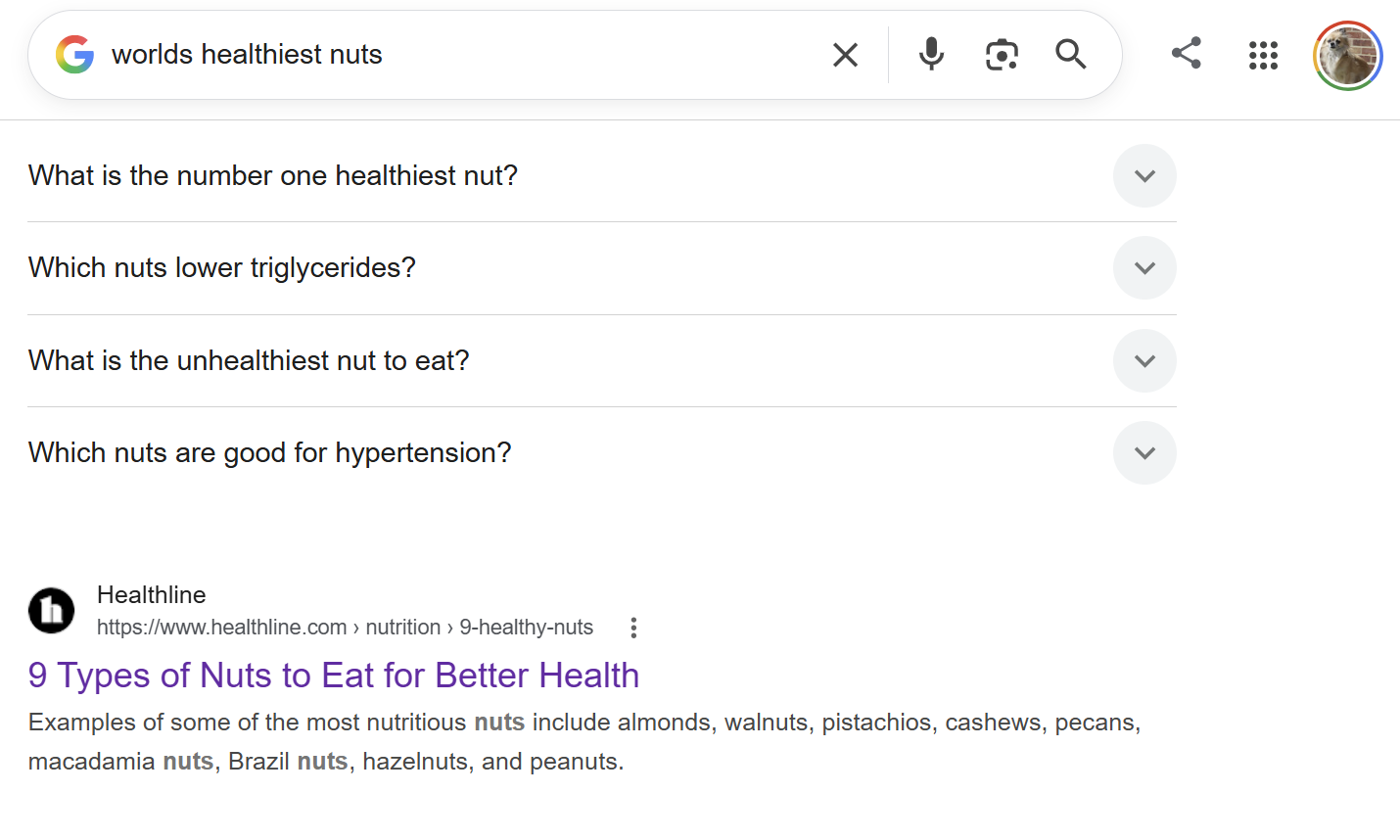
and immediately after the article opens we see >
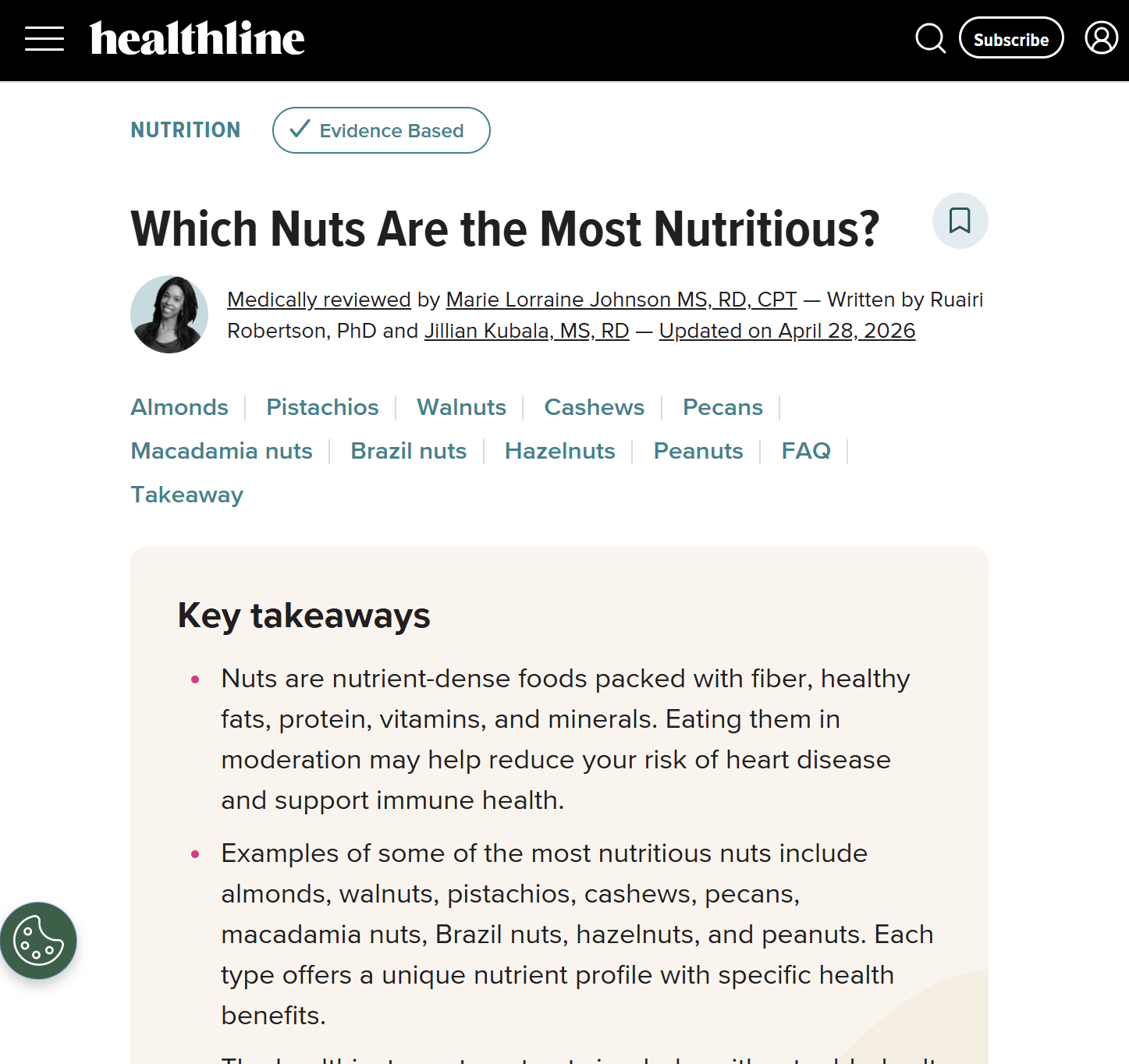
We can see NUMEROUS pepole involved here, we see the original article authors and then we see they've been medically reviewed by someone with medical credentials.
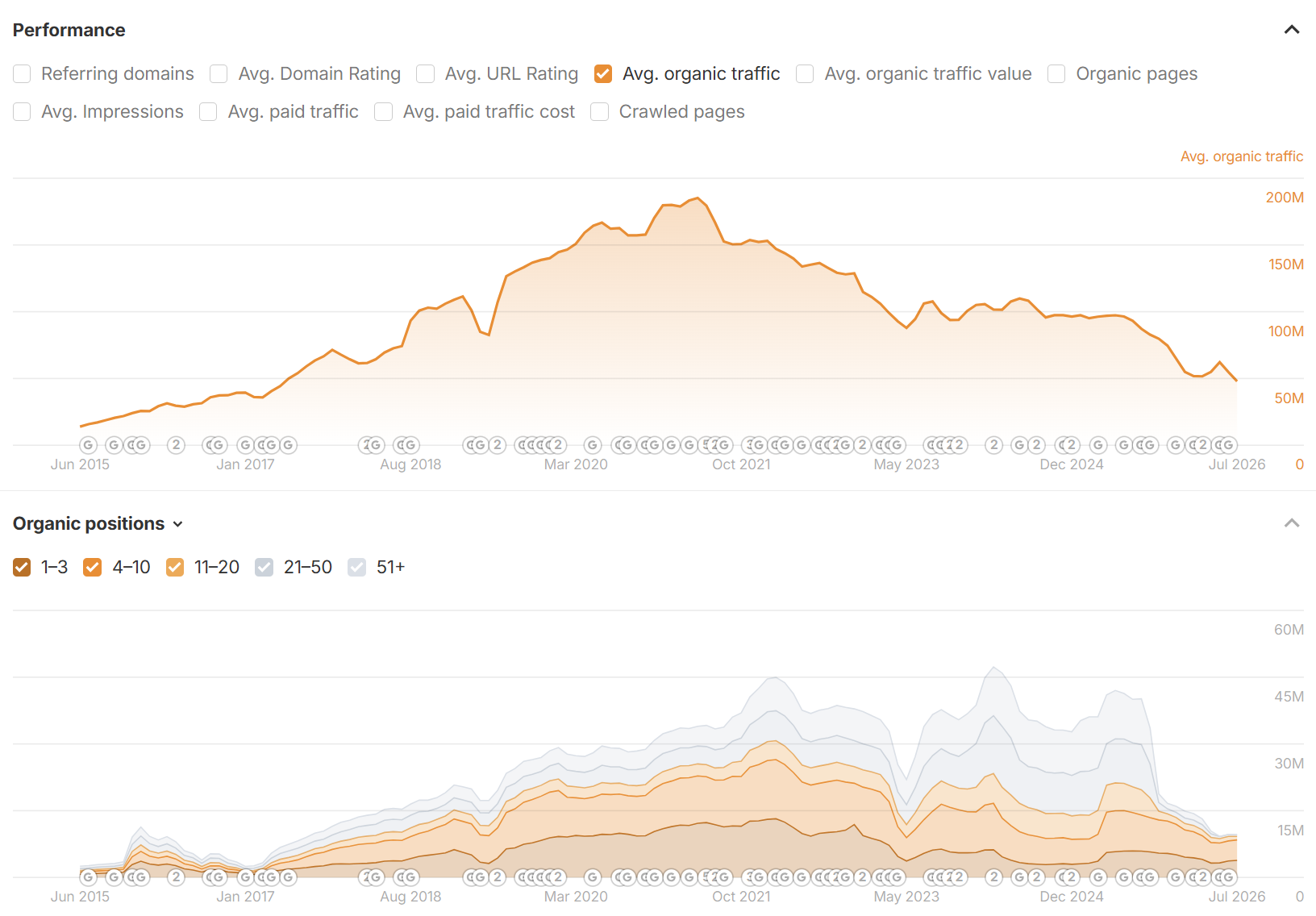
This is to bolster trust in the content in the hope that it'll rank better and will do better generally, but we see behemoth sites like healthline.com do not remain immune from decline over time (this is likely more because of Google's AI overviews amongst other things)
But, this isn't ALWAYS a requirement, for example if we Google signs of high cholesterol we see >
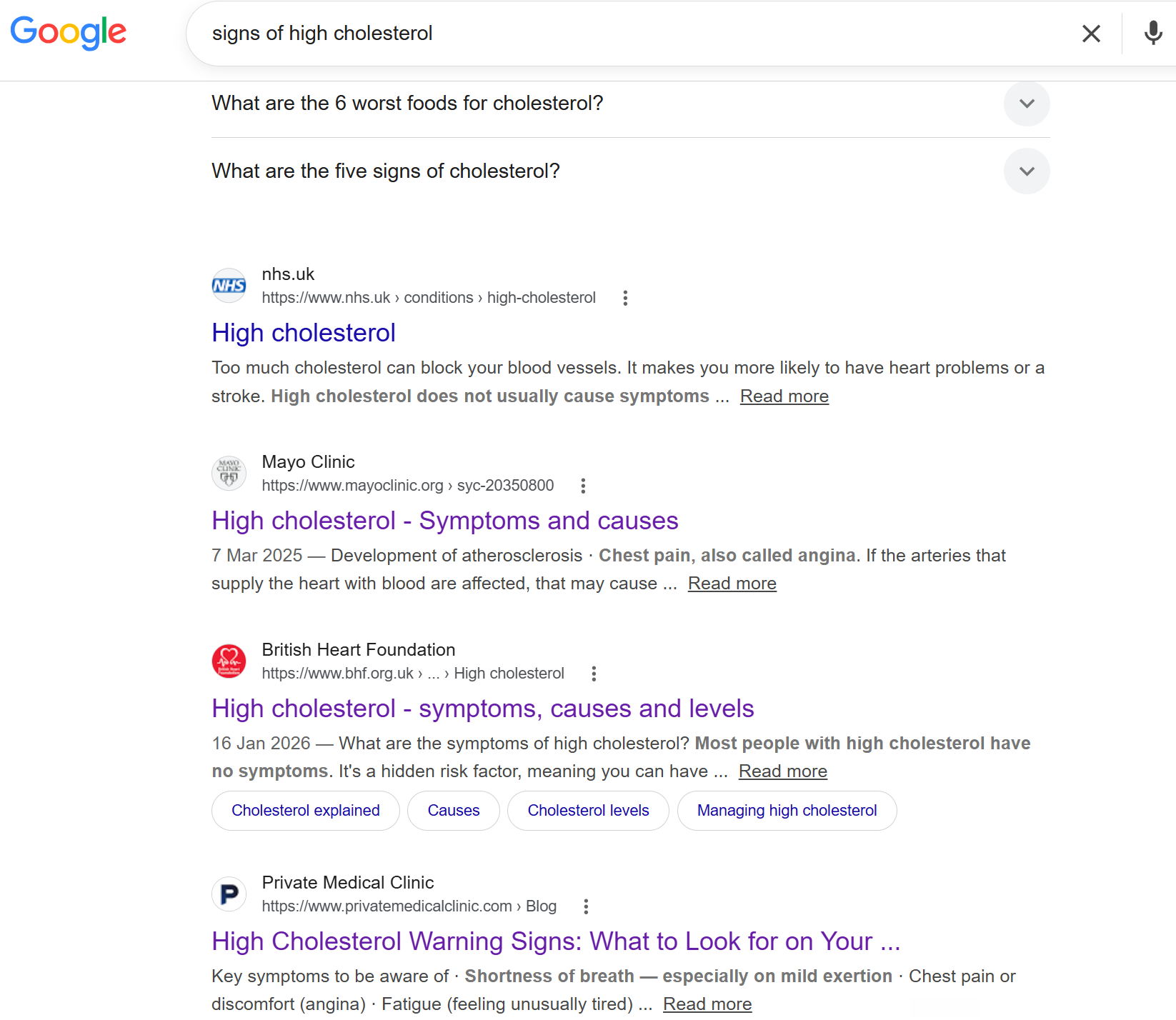
We generally see the most trusted brands / businessses such as the NHS followed by other "health specific organisations" like BHF, but, if we look we see mayo clinic, and, when we look at the content we see >
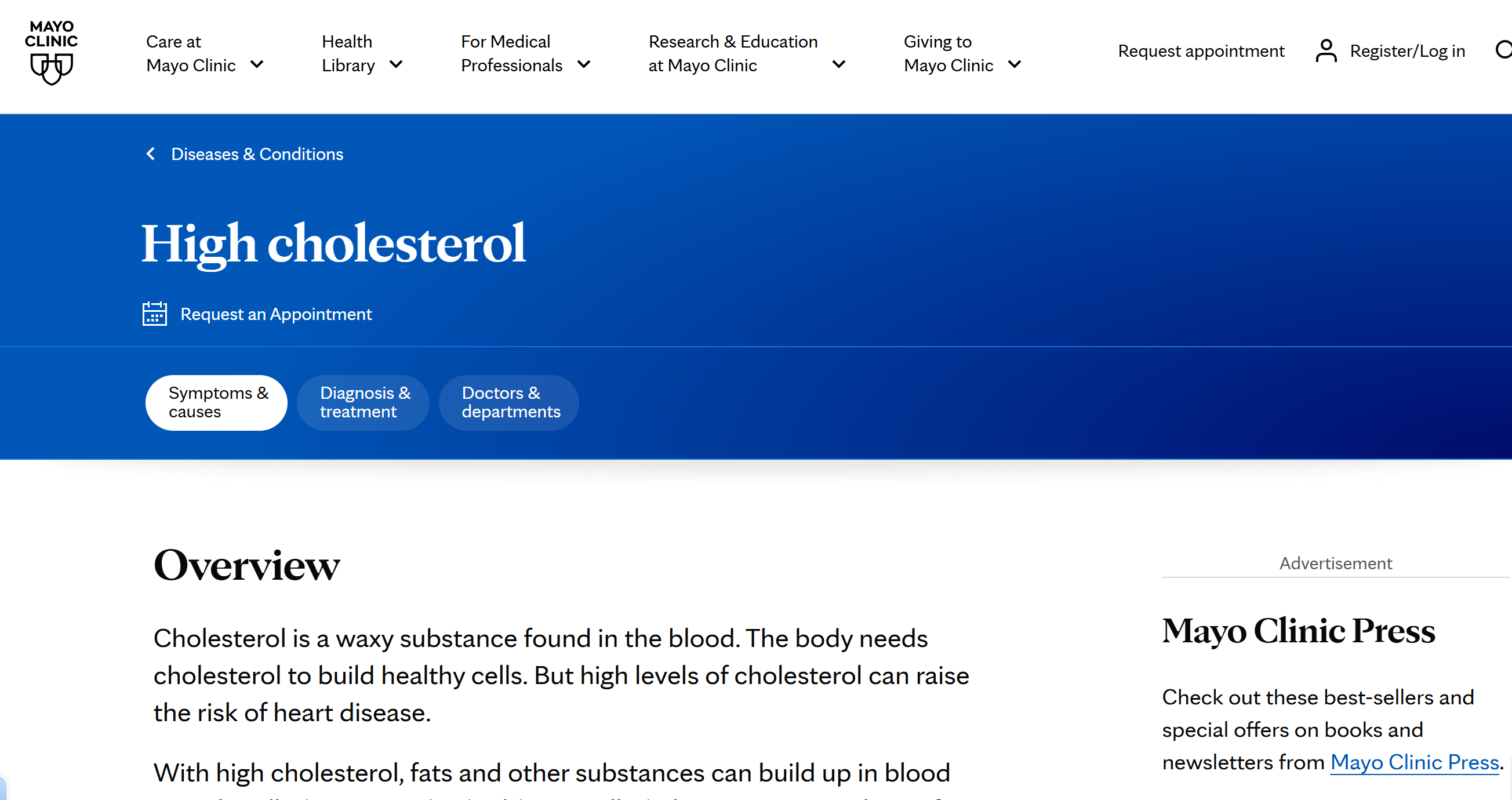
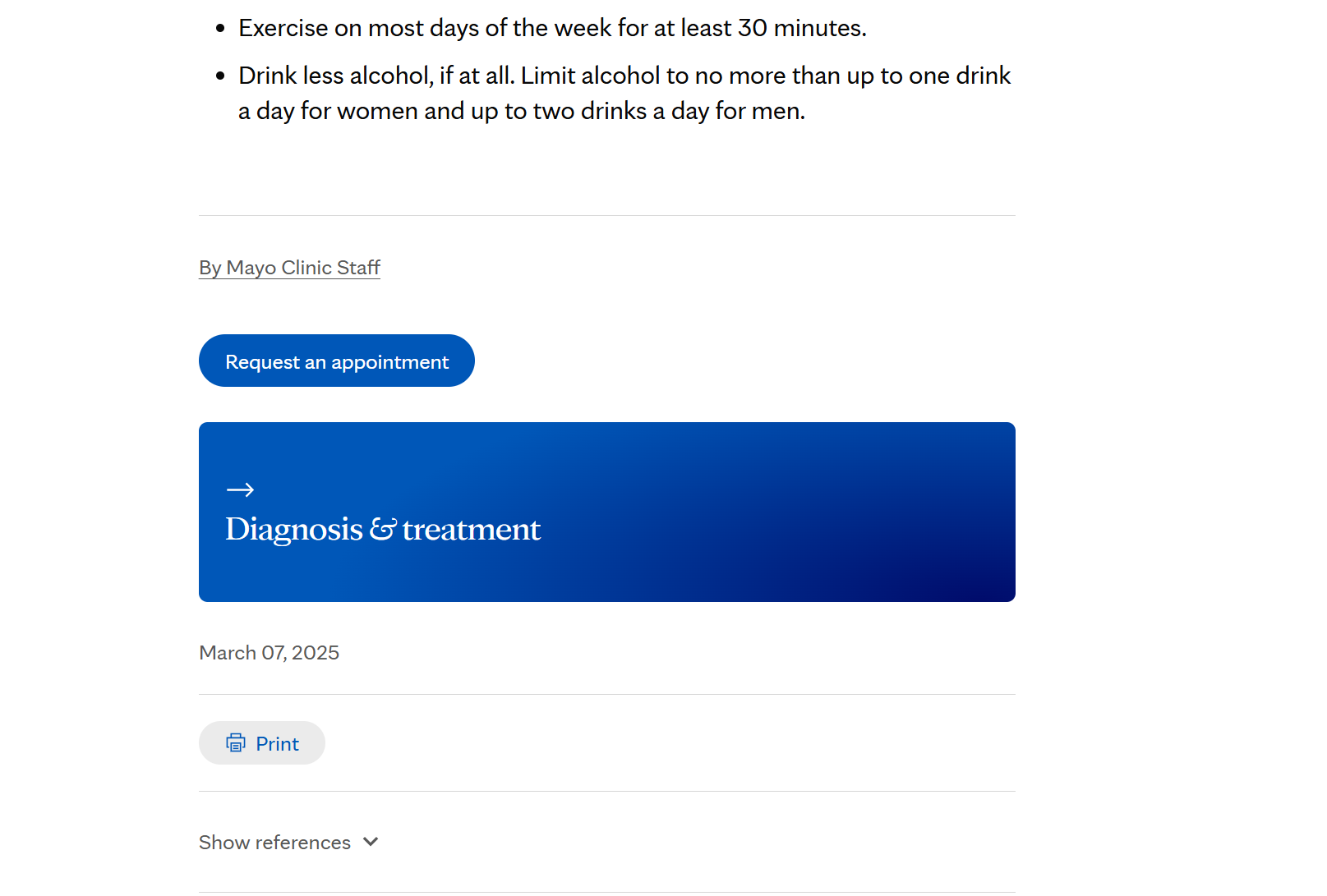
and at the end of the article, we see no specific author or anyone who's medically reviewed it, it just says By Mayo Clinic Staff >
And despite this we see their traffic in growth mode >
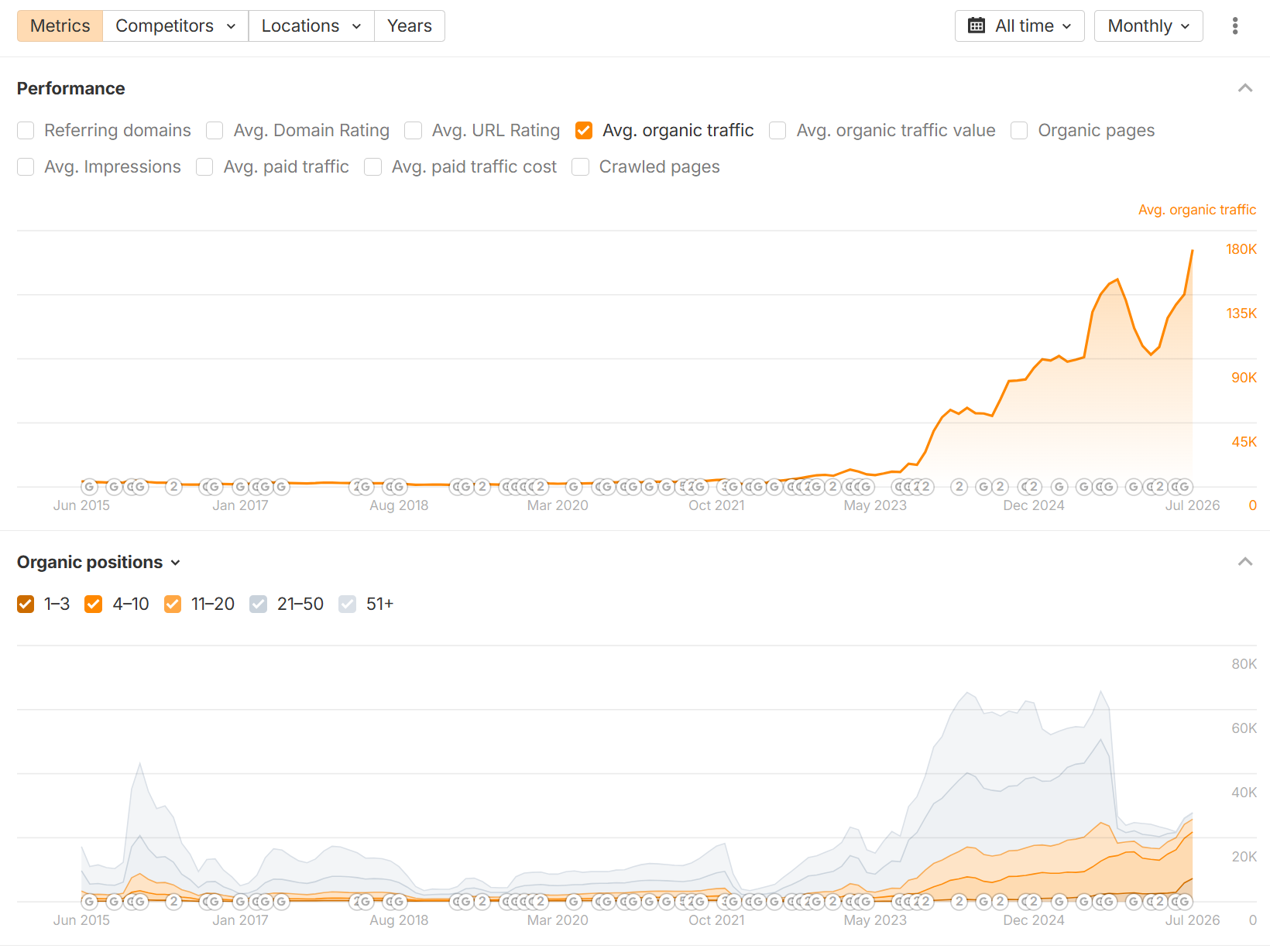
The key thing to take away from this is that sometimes the demonstrated E-E-A-T/YMYL does not always need to be in things like authors etc. Sometimes the brand can have enough weight and strength/trust behind it to negate the need for creating authors etc.
BUT! the general consensus for any medical, healthcare or pharmaceutical brand is that it's BETTER to maximise E-E-A-T/YMYL on a genuine basis (not faking it) by having actual medical professionals review it and ensure their profiles are visible on the website and across the web.
Again, when we look back at Healthline as an example:
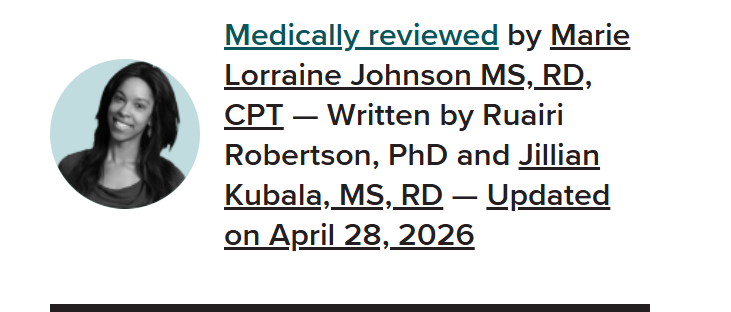
When we click on medically reviewed we see >
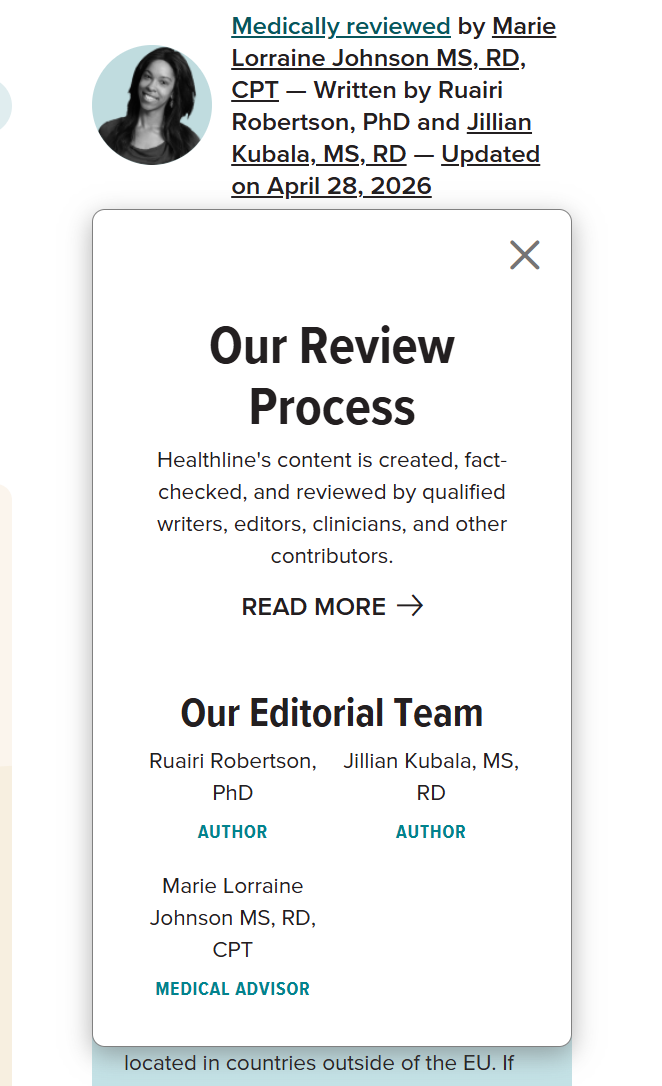
If we look a little close say at "Our Review Process" we see >

They link sitewide to their content review process.
Then if we click on an author or whoever reviewed the document we see >
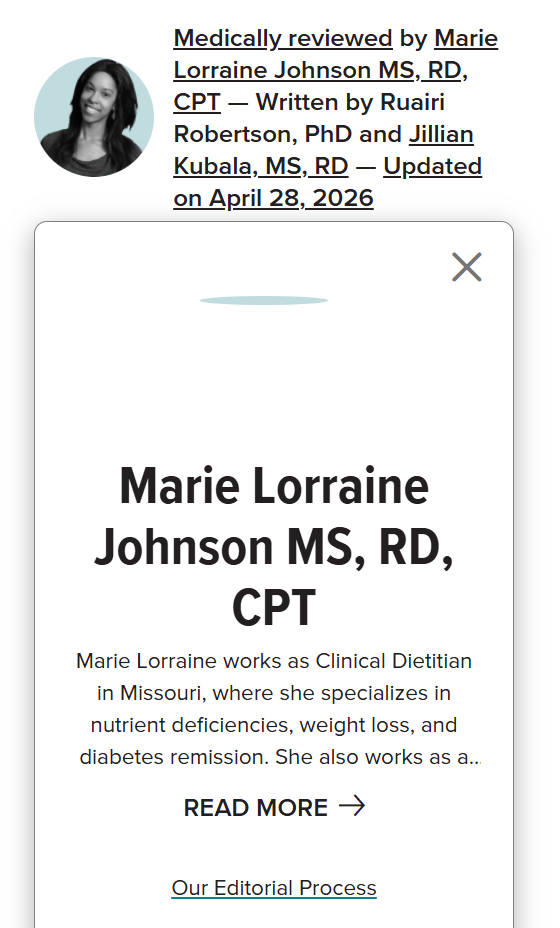
and again we see links to the authors or medical reviewers themselves i.e.

And if we then go to the medical reviewer like in this instance we see >
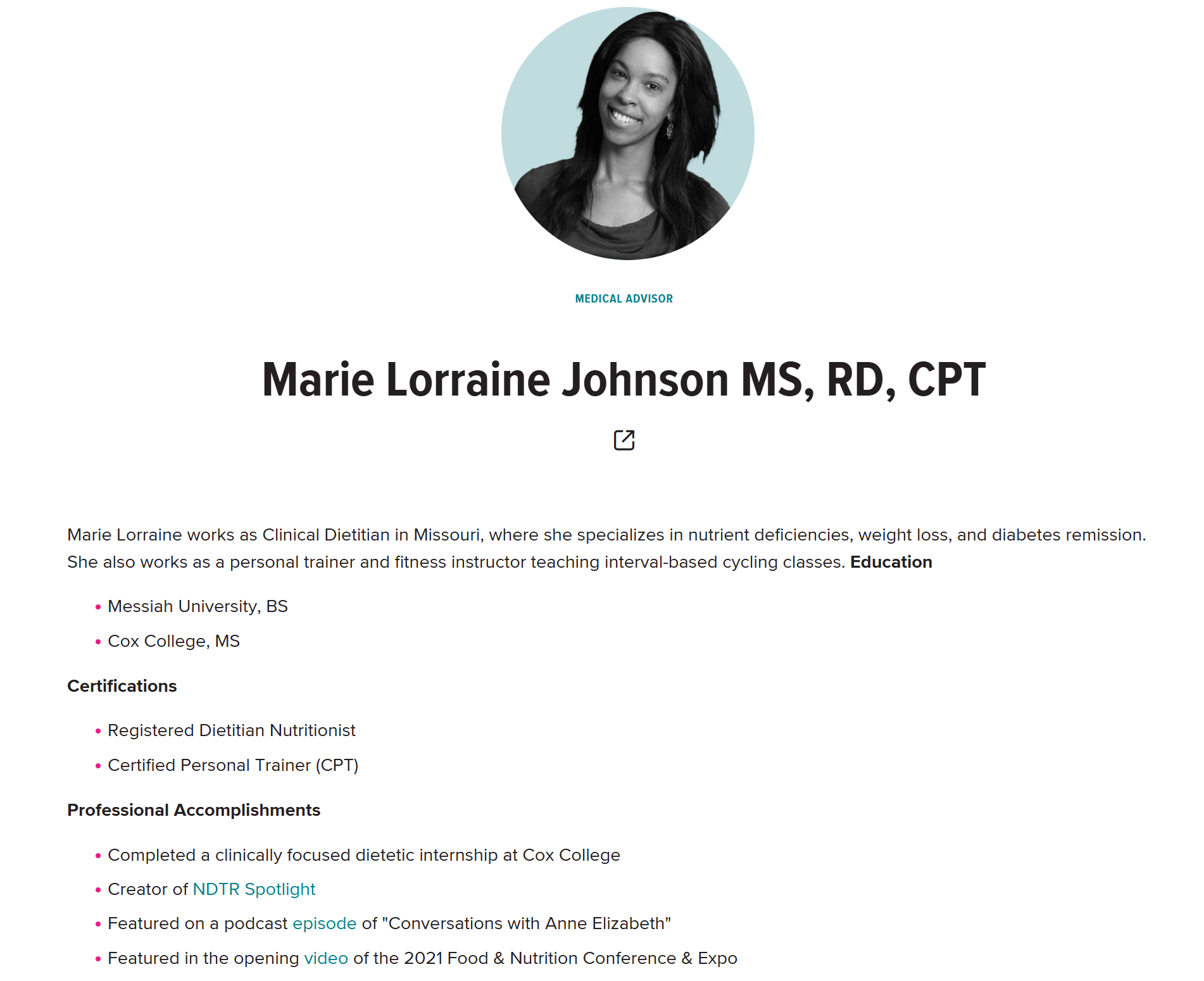
There's a linkedin profile link here

along with certifications, professional accomplishments amongst other things.
So, this is Healthline working hard on their E-E-A-T/YMYL to strengthen their content and trust.
If we refer back to Mayoclinics article, it doesn't specify a specific author or any medically reviewed measures, we just see >
And that "By May Clinic Staff" takes us to a page that's full of author names in sections related to their expertise:
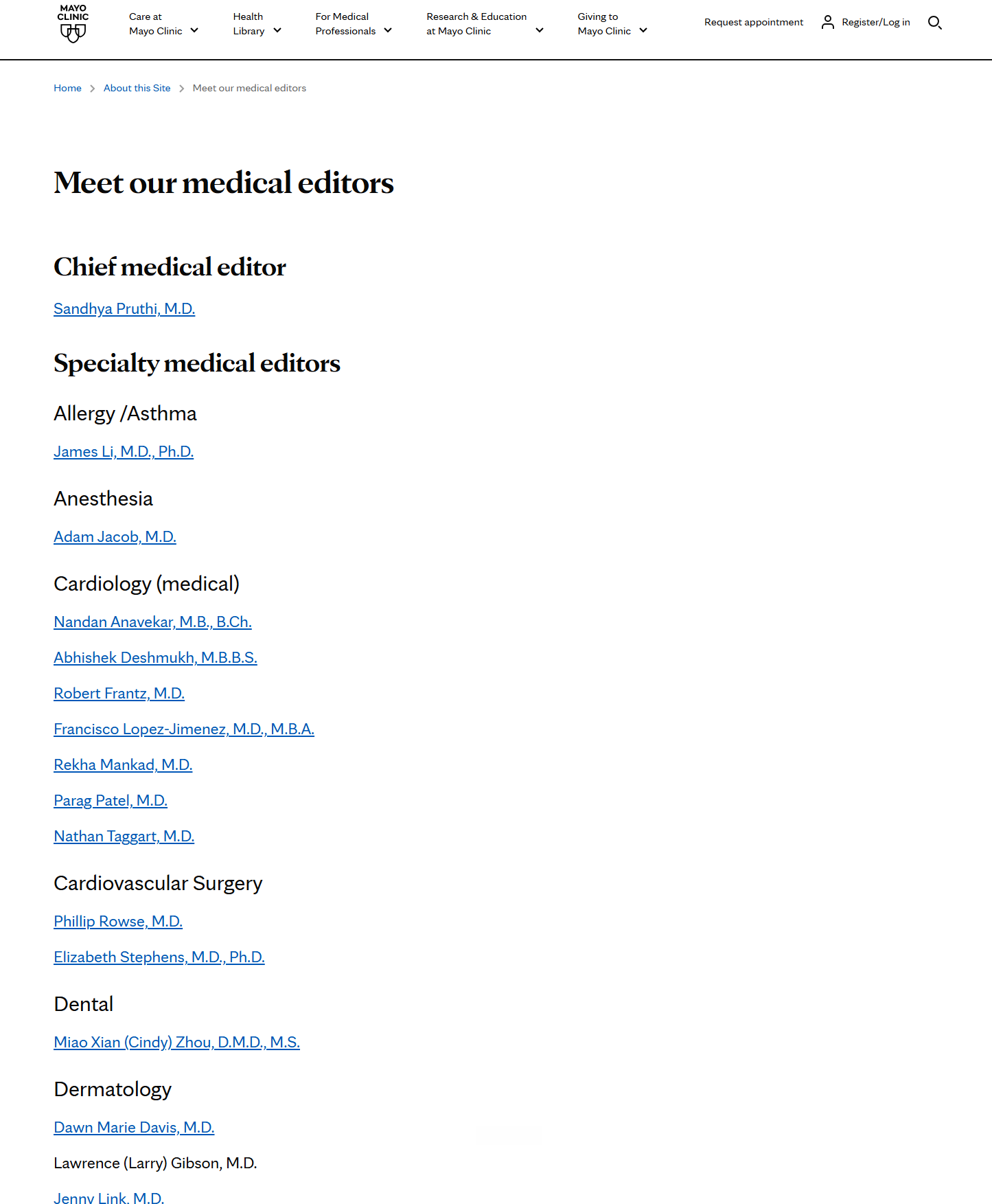
But, again, when we look at each authors profile we actually see a lof of information relating to them such as certifications, activities and honors:
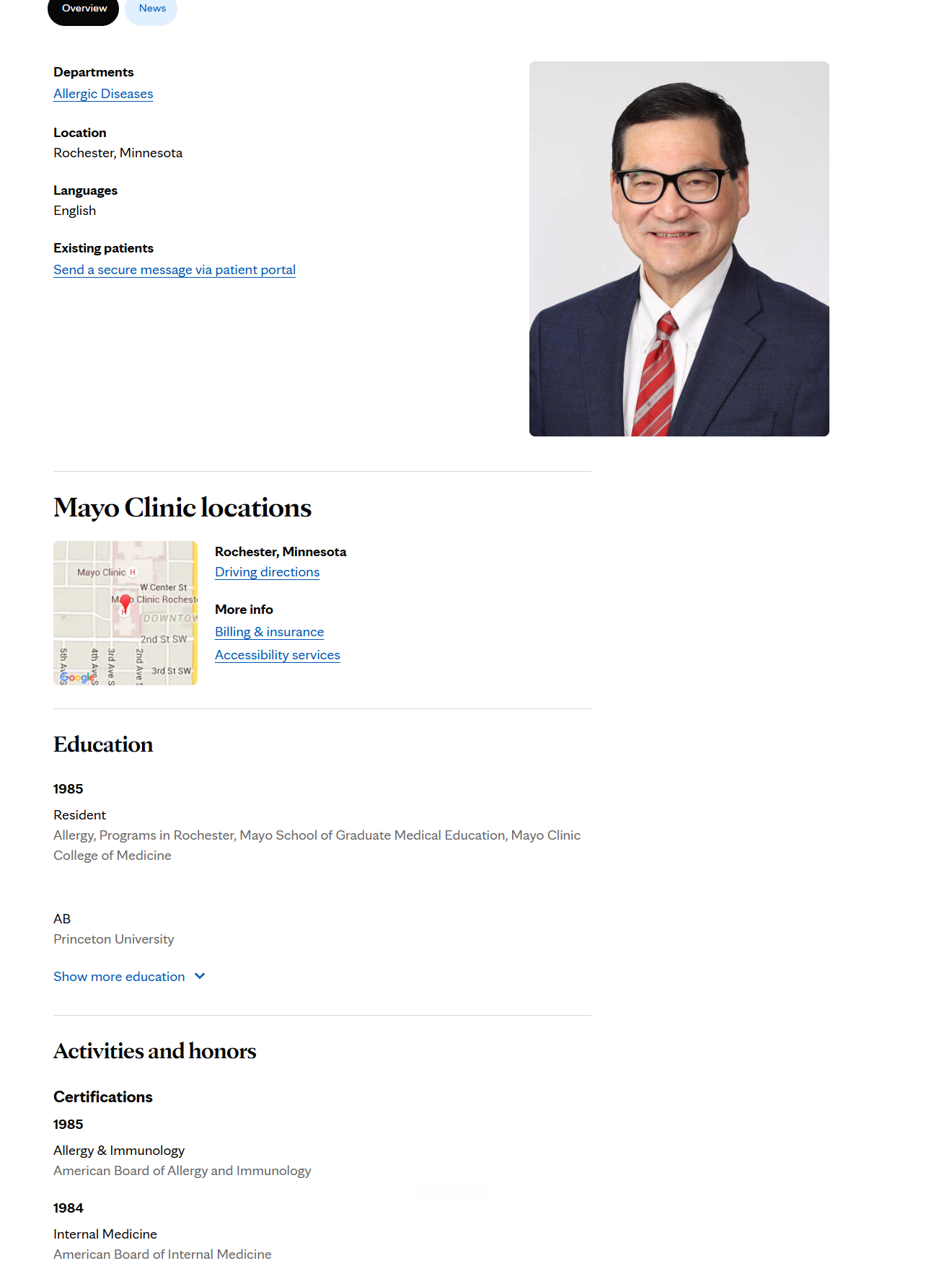
So they are just taking a different approach to Healthline, but, the core facets of what's needed is there in regards to at least being detailed with the authors.
OK, so moving on:
The Second Thing - AI Overviews Love Health Queries
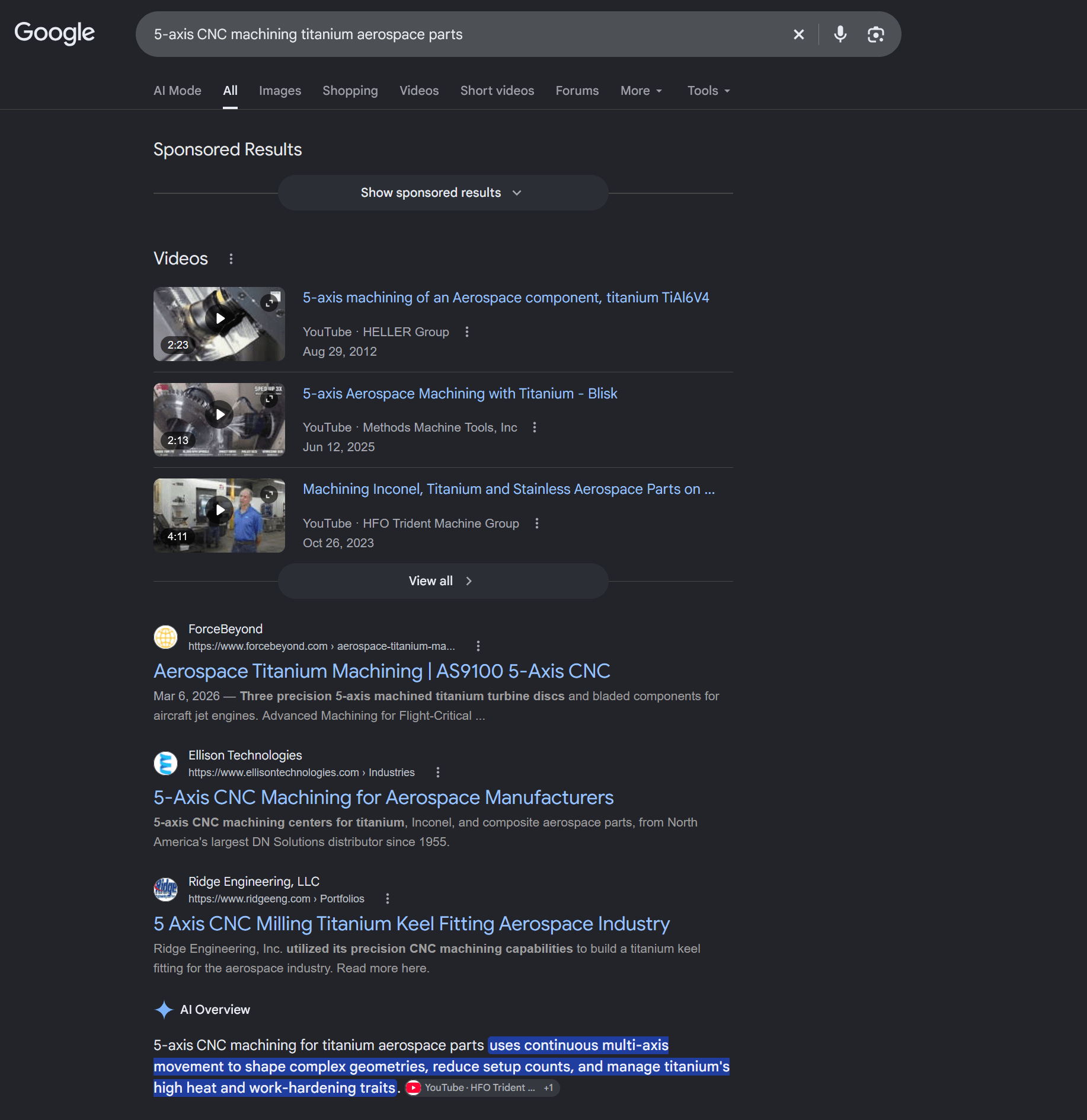
Health queries are one of the heaviest triggers for Google AI Overviews. Search almost any symptom, condition or treatment query and you'll get an AI Overview sat at the top of the results, usually citing the NHS, Mayo Clinic, WebMD and a handful of others. Initially, a lot of health and YMYL queries were left alone when Google initially rolled out SGE (search generative experience) and then AI overviews. But, over time we've seen AI Overviews appearing for everything across healthcare and medical searhes. DO a search for most health questions and you'll get an AI overview >
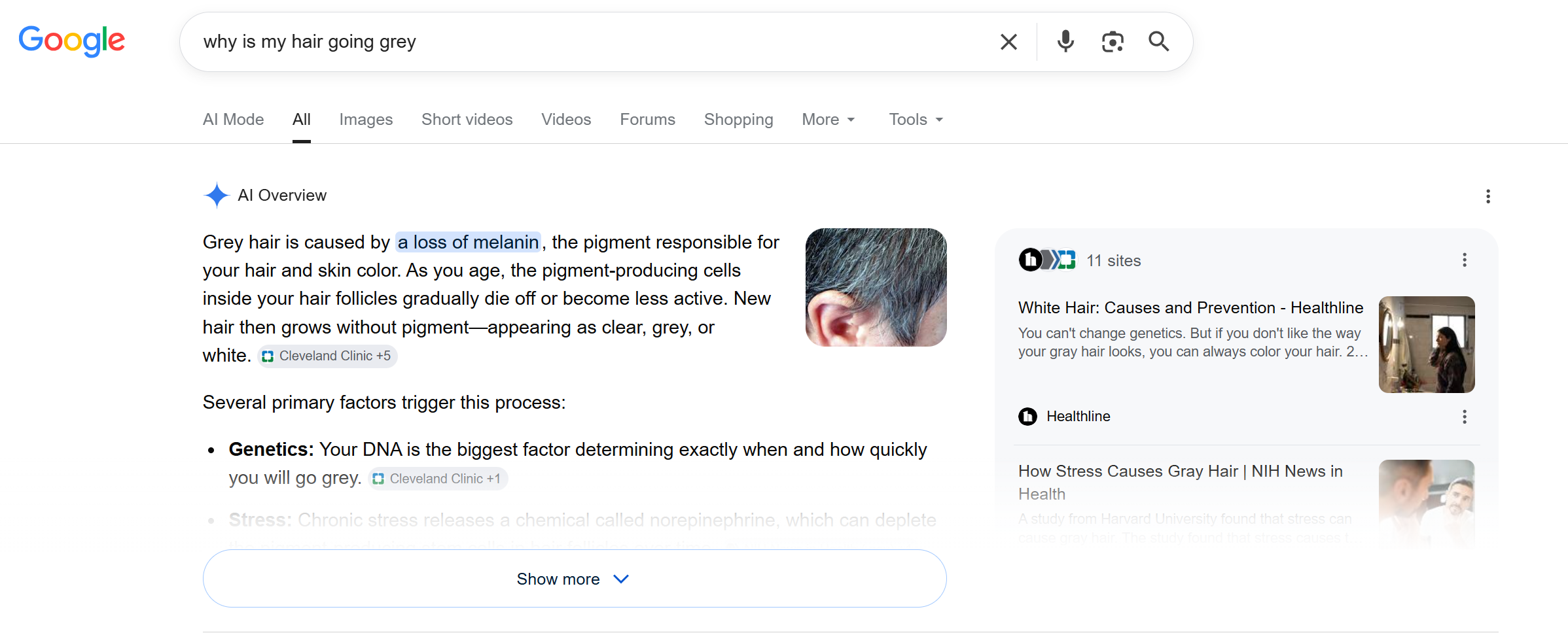
So for healthcare brands the challenge is now two-fold:
Rank organically in an environment where a huge answer box is eating clicks above you
Become citable enough that AI Overviews and LLMs actually reference you
Both of those come back to the same fundamentals - demonstrable expertise, accuracy and trust. There is no shortcut here, and anyone selling you one is selling you rubbish.
We know that a LOT of healthcare and medical brands suffered greatly across Google Helpful Content updates and then by progressive AI overview roll outs, if we look at healthline.com again >
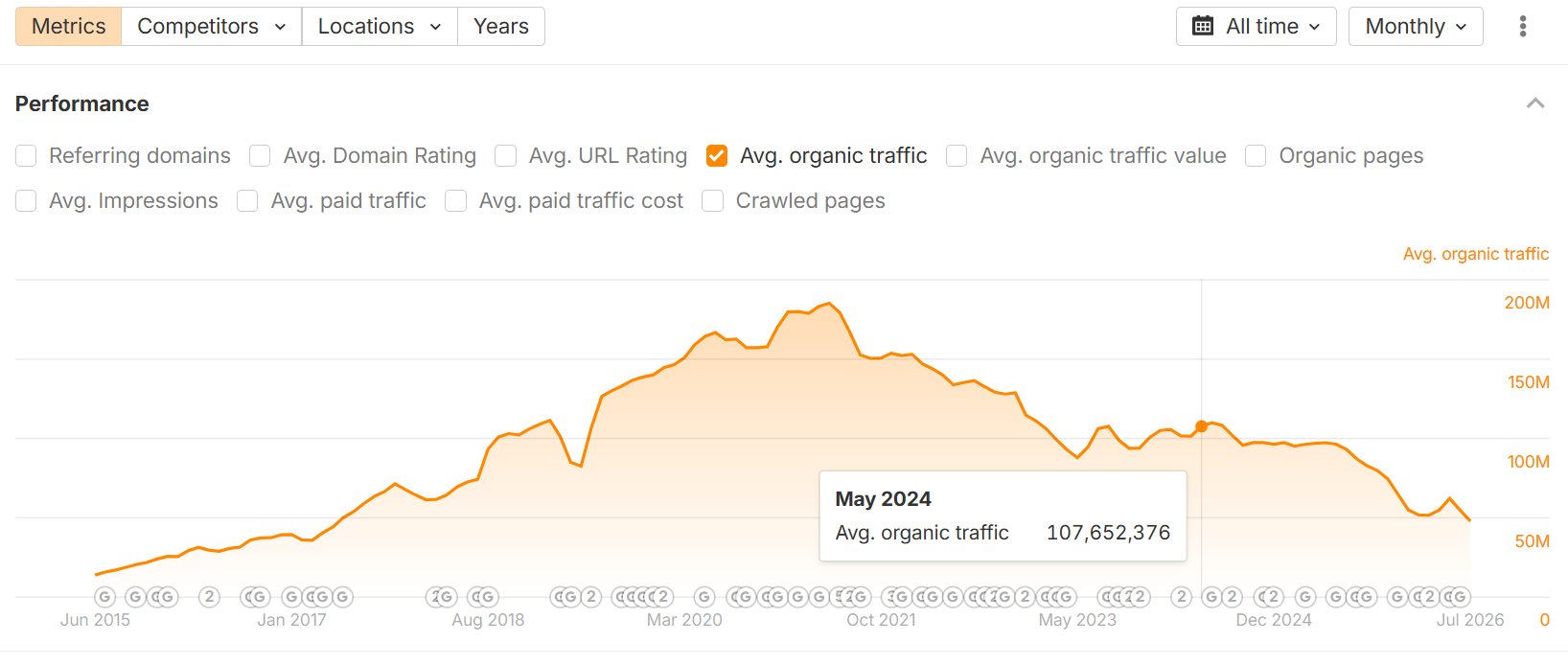
Healthline.com had seen decline from May 2021 onwards, helpful content first appeared in September 2023, we see some decline here, and then AI overviews began rolling out from May 2024 (US first) before rolling out globally later in the year.
Right, let's get into the do's and don'ts.
The DO's of Medical Content for SEO
1. DO put real, qualified humans behind your content
Every piece of medical content should have a named author, and ideally a named medical reviewer with relevant, verifiable credentials - a GMC number, an NMC pin, a GPhC registration, whatever applies to their profession.
"Reviewed by Dr Sarah Jones, MBBS, GMC 1234567" with a link to a proper bio page carries weight. "Written by Admin" carries nothing.
Your author and reviewer pages need to be real pages too - photo, qualifications, registration numbers, links to their professional profiles. Google can and does entity-match medical professionals, so a made-up reviewer is worse than no reviewer, which brings me to the don'ts later.
2. DO cite primary sources, and cite them properly
Every clinical claim needs a source, and the source hierarchy matters:
Peer-reviewed research (with a preference for systematic reviews and meta-analyses over single small studies)
Official clinical guidance - NICE, NHS, SIGN in the UK, or the equivalent bodies in your market
Regulatory bodies - MHRA, EMA, FDA
Recognised medical institutions and royal colleges
What you don't cite: other blogs, content farms, supplement brands, or a Reddit thread. If your writer can't find a credible source for a claim, the claim comes out. Simple as that.
And link OUT to those sources. I still see healthcare sites terrified of external links because "we'll leak PageRank". For the love of god - citing the NHS doesn't hurt you, it puts your content in good company.
3. DO reflect medical consensus, and flag uncertainty honestly
If the evidence on something is mixed, say the evidence is mixed. If a treatment is emerging or off-label, say so. Content that presents fringe positions or early-stage research as settled fact is exactly what the quality systems are built to catch.
Honest uncertainty is a trust signal, not a weakness. "Some small studies suggest X, but larger trials are needed" will outperform "X is a proven miracle treatment" in every way that matters - rankings, citations, and not getting your brand in trouble.
4. DO date your content and actually maintain it
Medical guidance changes. Dosage recommendations change, NICE guidelines get updated, drugs get recalled or reclassified.
Every medical page needs:
A visible published date
A visible "last medically reviewed" date
An actual review cycle behind those dates (every 6-12 months for clinical content is a sensible baseline, sooner if guidance changes)
A symptoms page that hasn't been touched since 2021 isn't just a rankings problem, it's potentially giving people outdated clinical information. Bin the "publish and forget" model entirely for healthcare.
5. DO write for the reader first, in plain English
Medical content has a readability problem. Writers either go too clinical (impenetrable jargon lifted from journals) or too fluffy (2,000 words of padding before answering the question).
The NHS content style guide is genuinely one of the best resources out there for this - they aim for plain English at roughly a reading age of 9 to 11, and there's a reason their content dominates UK health SERPs and AI Overview citations.
Practical rules:
Answer the query early - if the page is "how long does tonsillitis last", the answer appears in the first couple of paragraphs, not after 800 words of throat anatomy
Explain medical terms on first use
Short paragraphs, clear subheadings that match how people actually search
Use structured formats (symptoms lists, "when to see a doctor" callouts) because they help users AND they're exactly the kind of extractable content AI Overviews cite
6. DO include safety-netting information
Any content covering symptoms or conditions should tell people when to seek professional help - the "see your GP if", "call 111 if", "call 999 if" guidance. This is standard practice in clinical content for good reason, and its absence is a genuine quality gap that medical reviewers will pick up instantly.
7. DO get your technical foundations right
Content quality means nothing if the technical side is a mess. For healthcare specifically:
Use appropriate structured data - MedicalWebPage, Physician, MedicalClinic, FAQPage where genuinely relevant, plus proper author markup
Sort your internal linking so condition, symptom and treatment pages support each other logically rather than cannibalising
Make sure the content is actually in the rendered DOM and indexable - I've covered rendering issues at length elsewhere, and healthcare sites on JS-heavy stacks are not exempt
One topic, one page - condition page cannibalisation is rife in healthcare because "diabetes symptoms", "signs of diabetes" and "how to know if you have diabetes" end up as three competing URLs
8. DO know your regulatory obligations
This is the one that separates healthcare content from everything else, and it's the one generic content agencies get wrong constantly.
In the UK:
You cannot advertise prescription-only medicines (POMs) to the public - that's MHRA territory and it catches out online clinics and pharmacies all the time
Health claims in ads and marketing content fall under the ASA/CAP Code - claims must be backed by robust evidence
Food supplements can only use authorised health claims from the GB nutrition and health claims register - "supports normal immune function" is a world away from "boosts your immune system and fights off colds"
Selling into the US? Then FDA and FTC rules apply instead, and they have their own quirks. The point is your content process needs someone who knows which rules apply to which market, because "the writer didn't know" is not a defence.
The DON'Ts of Medical Content for SEO
1. DON'T publish unreviewed AI-generated medical content at scale
I test AI heavily - anyone who follows me knows I've built AI SEO agents, tested Claude SEO workflows, the lot. So this isn't coming from someone who's anti-AI.
It's coming from someone who has seen what AI produces on medical topics: confident, fluent, plausible content that hallucinates statistics, misstates dosages, mangles study findings and presents outdated guidance as current.
In most niches AI slop gets you a rankings problem. In healthcare it gets you a rankings problem AND a patient safety problem AND potentially a regulatory problem. Google is specifically going after scaled, low-effort content, and YMYL is exactly where they police it hardest.
Use AI for research assistance, outlines, restructuring - fine, with verification. Publishing raw AI output on clinical topics with no qualified human review? Absolutely not.
2. DON'T make claims you can't evidence
"Clinically proven", "guaranteed results", "the best treatment for", "cures" - unless you have the evidence to stand these up (and you almost never do), these phrases are doing you damage on three fronts: user trust, search quality evaluation, and advertising standards.
Cosmetic clinics and supplement brands are the worst offenders here. The moment your content reads like a sales pitch dressed up as medical information, you've lost.
3. DON'T copy or lightly rewrite NHS / Mayo Clinic content
I see this constantly. A clinic needs 40 condition pages, the writer opens the NHS page for each condition and paraphrases it. The result is content that adds precisely nothing to the web - Google already has the NHS version, from an infinitely more authoritative domain.
If you can't add anything beyond what the NHS page says - your clinicians' practical experience, your specific treatment approach, genuinely better explanations, original visuals - then question whether the page should exist at all. Unique added value isn't optional in this vertical.
4. DON'T use fear as a content strategy
"This common symptom could be cancer" style content might win clicks short term. It also erodes trust, contradicts responsible clinical communication, and reads as exactly the kind of low-quality health content the rater guidelines describe as harmful.
Balanced framing wins: what's common, what's usually harmless, what warrants a GP visit, what's urgent. That's what good clinicians communicate and it's what good medical content looks like.
5. DON'T fake your E-E-A-T
Invented reviewers. Stock photo "doctors". Fabricated credentials. "Medically reviewed" badges with no actual review behind them.
I've audited sites doing every one of these, and beyond it being ethically grim, it's strategically stupid - these things are verifiable, and being caught fabricating medical credibility is the sort of trust damage a brand doesn't come back from. If you don't have clinical expertise in-house, hire freelance medical reviewers. They exist, they're not expensive relative to the risk, and it's a genuine fix rather than a cosmetic one.
6. DON'T deploy thin programmatic pages across conditions and locations
"Physio for back pain in Luton", "Physio for back pain in Bedford", "Physio for back pain in Milton Keynes" - same template, same content, town name swapped out, multiplied by 50 conditions.
Google is aggressively demoting this pattern everywhere, and healthcare sites doing programmatic condition/location builds are handing themselves indexing problems, quality issues and in the worst cases manual actions. If a location page has nothing genuinely local on it, it shouldn't exist.
7. DON'T let commercial pressure override clinical accuracy
The classic scenario: marketing wants the aesthetics clinic page to say the treatment is "painless with zero downtime", the clinician knows that's not true for every patient. The clinician wins that argument, every time, or your content programme is building risk instead of trust.
Long Story Short
Medical content done properly needs:
Qualified humans - real authors, real reviewers, verifiable credentials
Evidence - primary sources, consensus positions, honest uncertainty
Maintenance - review dates that mean something, content that gets updated when guidance changes
Reader-first writing - plain English, answers up front, safety-netting included
Compliance awareness - MHRA, ASA/CAP, and whatever applies in your target markets
Technical hygiene - schema, no cannibalisation, content that's actually indexable
It's more expensive and slower than generic content production. It's also the only version of healthcare content that works any more - in organic rankings, in AI Overviews, and in front of actual patients.
To make this practical, I've put together a checklist that covers every check above and a few more besides - it's built for content writers and editors to run on every piece of healthcare content before it goes live. Download it below, stick it in your content workflow, and use it.
Open this link, then click FILE > MAKE A COPY and feel free to use it:
https://docs.google.com/document/d/1aAGyU_tvjA7cxWrN_RJW7B8rwij97XKy603vIqe0ZC4/edit?usp=sharing