










What Is an SEO Agency?
An SEO agency is a team you bring in to grow the traffic, enquiries and revenue your website earns from search. Not the paid ads, the organic results - mistakenly labeled as free or unpaid traffic, the reality is, both paid ads and organic are paid clicks, except organic clicks are derived from paid work as opposed to PPC.
That's the simplified version, and it's the other articles around what an SEO agency is stop at. The honest version is that SEO as a job changed a lot in the last two years, and a fair few agencies haven't caught up or are still doing the usual x blogs and x links per month guff.
Search isn't just ten blue links anymore, It's AI Overviews, AI Mode, and answers dynamically generated straight into the results page before anyone scrolls. A good agency in 2026 works on maximising organic visibility across AI overviews, rich snippets, organic SERPS as well as supporting brand in other ways (not quite SEO but helps towards SEO).
Another way of looking at it, an SEO agency is a collection of “specialists” that may be both in-house or external contractors who specialise in different areas (not always SEO) but things that form part of what SEO is as a service i.e .content writing which isn’t SEO but it’s key for search.
What an SEO agency does
SEO agencies do a lot of different things, and no 2 agencies are the same (unless you are a bad agency) - but, MOST SEO agencies broadly speaking do the following for clients or their own website properties:
➡ Technical SEO
Making sure search engines and AI bots can find, crawl, render and index your pages, crawling sites and finding high level SEO issues, medium and lower priority issues and categorising them by potential impact and technical debt. Technical SEO is broad but fundamentally involves everything from fixing rendering issues, broken links, misplaced canonicals, HREFLANG, anchors, JS loaded content, dynamic content, PDPs, category pages, robots meta and robots.txt and so much more.
➡ SEO Auditing
Usually a specific type of SEO audit i.e. technical SEO audit or page indexing audit, content audit or link audit. Auditing is typically intrinsic to an SEO agencies starting point as it allows the forward planning of strategy, execution and impact analysis. SEO audits are generally a 1 time thing, fixing things, followed by day to day SEO on a retainer basis.
➡ On-page SEO
Matching each page to what people actually search for. Titles, headings, internal links, content structure, and intent, content optimisation, NLP, E-E-A-T and YMYL. Most on site can be segregated between technical SEO, page layout and UX, content, page elements i.e. headings, titles etc. and internal links, structured data/json/schema etc. On page SEO generally forms part of an ongoing SEO retainer.
➡ Links and digital PR.
Earning links from sites that genuinely carry weight, which signals trust to search engines and is something much harder to manipulate. Links remain as important now as they ever have been, primarily because they continue to be a vote of trust for a brand and domain, therefore high quality links and digital PR go hand in hand to building authority. SEO agencies may use in-house digital PR teams or outsource to digital PR agencies or link building specialists. Some lower quality agencies may cut corners with link building i.e. PBNs or low quality directory links.
➡ Content.
Content forms a key part of ongoing SEO on a retainer basis. Usually, agencies may have a mix of in-house or external writers who are niche specific or broader writers who can write cross-niche. Content is crucial and forms a key part of an seo agencies monthly deliverables. This is where a specialist agency will stand out, especially in regulated niches such as finance, healthcare, law etc.
➡ Reporting.
Showing what changed and why, tied to clicks and enquiries rather than vanity charts, basically sanity traffic, not vanity traffic. Reporting is generally a mix of Google Search Console, GA4 reporting or custom looker studio (google data studio) reports that focus on traffic and KPI’s decided between agency and client i.e. transactions, revenue etc.
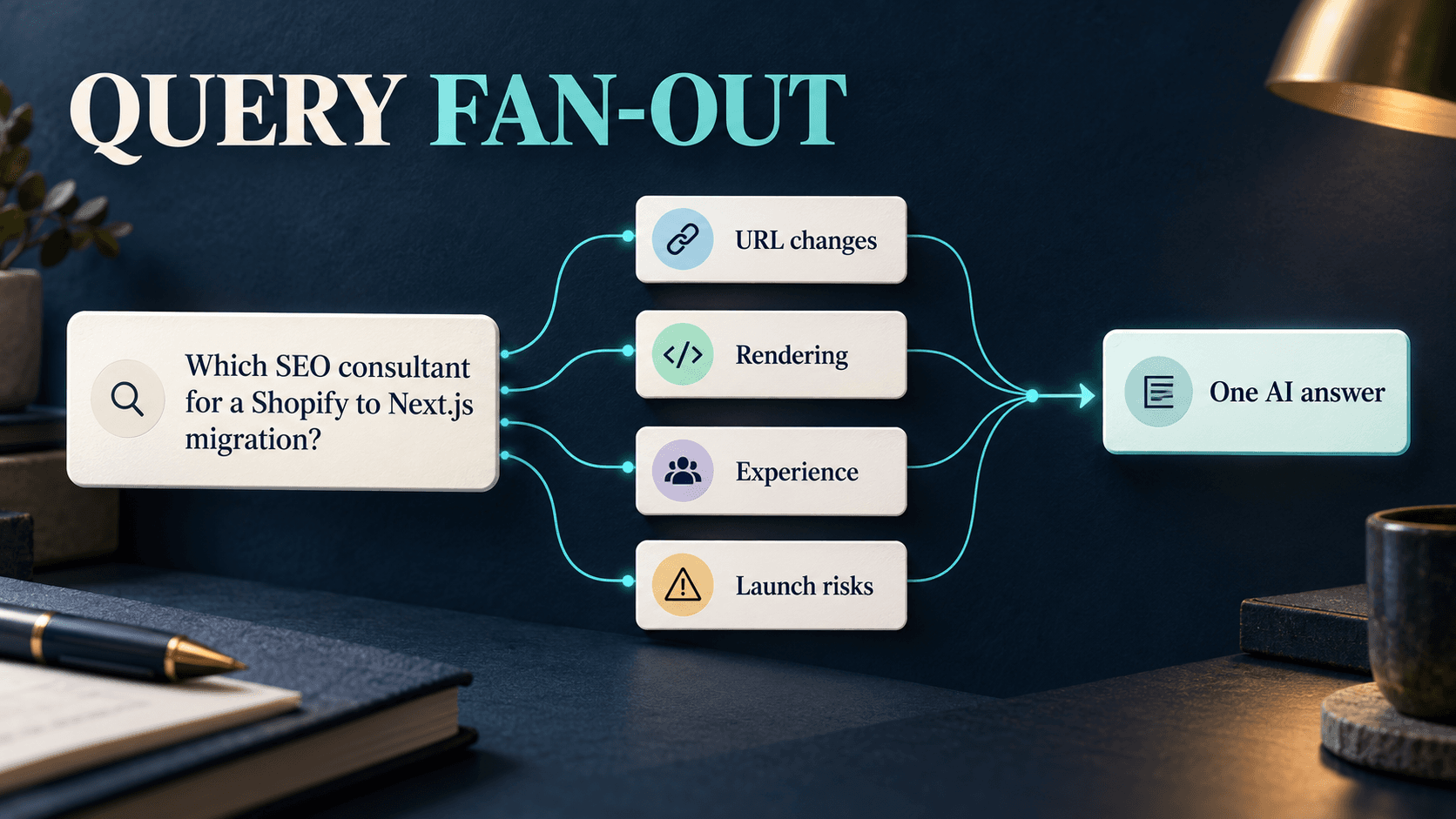
A real agency also does the work most guides leave out entirely: ranking recovery after a core update or a manual action, fixing botched CMS migrations (we're seeing far more of these as sites move to React and Next.js stacks without server-side rendering), and untangling sites that have been hit by scaled or low-effort content.
The part most guides tend to skip - Are SEO Agencies keeping up with a shifting SEO marketplace?
Search has changed dramatically in the last 2-3 years with the evolution of AI and significant changes to Googles search product, and this is where agencies may fall behind. Every 5 minutes Google is releasing another core or spam update, or, they’re making AI overviews more intrusive, deprecating functionality i.e. FAQ rich results or are pushing more and more for AI mode integration into search.
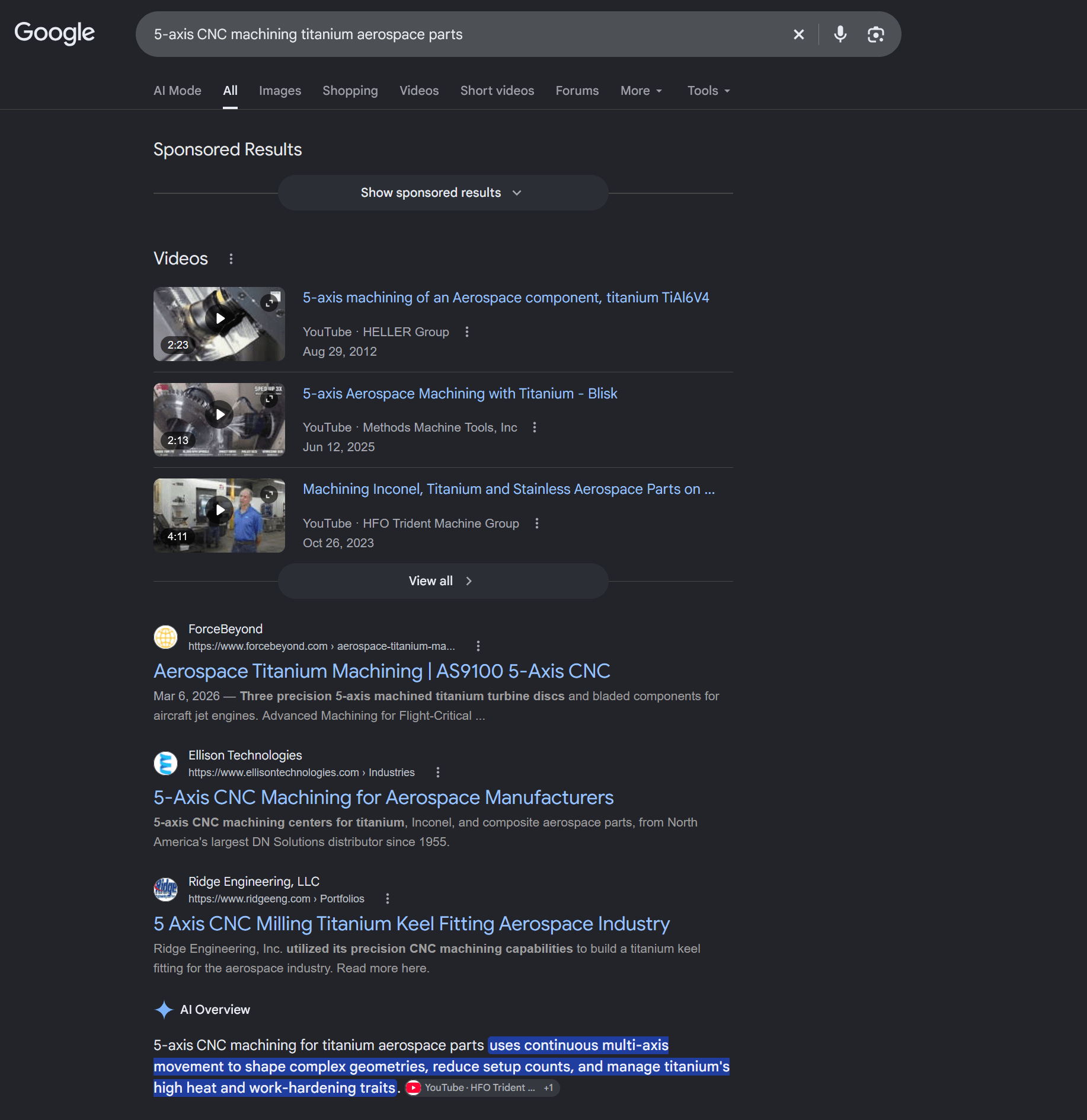
Google now answers a huge number of queries directly on the results page with AI Overviews (previously SGE or search generative experience). People search inside ChatGPT, Gemini and other tools that don't send a click at all. So the job is no longer just "rank number one". It's staying visible across a results page that increasingly answers the question for the user before they ever visit a site.
What we've found from testing this properly:
➡ AI Overviews are not consistent, they change by location, by device, by the person searching, and day to day. Two people running the same query can get different answers. Plus there's personalisation amongst other things, oh and the fact that Gemini models update and as these are infused into search, as the model updates, so will the selections of sites used for resummarisation.
➡ Tracking prompt visibility in LLMs is unreliable on its own, visibility percentages can climb whilst your actual referral traffic in GA4 goes nowhere. The only number that holds up (and means of value to clients) is end clicks and enquiries.
➡ The way to win here hasn't changed as much as the hype suggests. Build a genuinely strong brand, demonstrate real expertise, and make content worth citing. Do that and you tend to show up in AI answers as a by-product. There's no separate secret format you write for an LLM.
If an agency can't talk to you about AI Overview click loss or how it tracks LLM-driven enquiries, it's working from an out-of-date playbook.
"Can't I just use AI to do my SEO?"
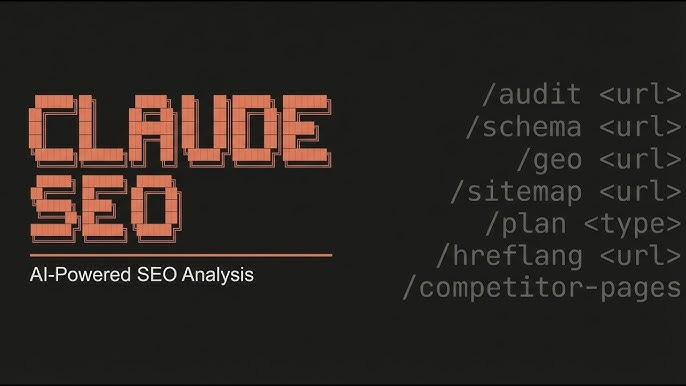
Fair question, and one worth answering straight because the £20-a-month version is everywhere right now. You know the sheisters on Linkedin, X and Facebook pusing ridiculous “SEO agent” automations that apparently can replace your SEO or marketing team - er, yeah right….. Go do that and see how long your rankings last. SEO agencies EXIST specifically for the reason of service provision, to provide professional support, insights and strategy, not something you can just hand off to claude via an MD file.
Why can’t AI take over from an SEO agency?
➡ AI doesn't understand SEO context. It applies general knowledge to specific situations and gets it wrong. In one test it read a set of competitor sites as having been hit by a Google update, when the real cause was an unrelated change to how Google reports results. The whole interpretation was wrong, confidently.
➡ It produces recommendations clients could never act on. One audit suggested copying an entire support subdomain from a competitor selling a completely different product.
➡ It misreads data. Feed it numbers and it will happily build a story around them that isn't true.
➡ It gave disavow guidance that listed good sites to remove, alongside weak ones, with no real way to tell them apart.
AI is genuinely useful for one thing in SEO: analysing large datasets fast. Pair it with Search Console and analytics data and you can spot patterns in minutes that used to take hours. That's exactly what our own tool, SEO Stack, was built to do. But analysing data and running a strategy are different jobs. The first, AI does well under supervision. The second still needs a person who knows what they're looking at.
What an SEO agency costs
Nobody publishes this, so here's the honest version of what you're paying for at each level. The reality is, SEO agency costs swing wildly between whether you are choosing an award winning agency, a boutique seo agency or an agency that specialises specifically in your niche. Then, there’s also the consideration of whether your business is local, national or international - these are all things that will impact how much you are likely to pay an seo agency to undertake the work for you.
UK agency retainers broadly fall into these bands:
Monthly retainer
What it typically buys
Under £1,000
Limited. Often templated work, little strategy, and the kind of link buying that causes problems later. Treat with caution.
£1,000 to £3,000
Workable for smaller sites with a clear, narrow focus. Less senior involvement, more execution-led.
£3,000 to £7,000
A proper mix of technical, content, links and reporting. Enough hours to actually move the numbers on a competitive site.
£7,000 to £15,000
Strategic, founder or senior-led, with broader scope across content, digital PR and recovery work.
£15,000+
Active senior involvement, capped client load, the works. Suited to competitive or regulated markets.
The pattern that matters: the more you pay, the more senior the people on your account and the more strategic the involvement. At the lower bands you're buying execution. Higher up, you're buying the thinking as well. Be honest with yourself about which one your situation needs.
But, there’s also a fallacy with the “more expensive” is better model, that’s not always the case. Finding an SEO agency that’s right for your business is like the right foot for cinderella’s shoe, you need to find the right agency in the same vane.
Better SEO agencies aren’t always more expensive, but then equally not all cheap SEO agencies are bad, and this is where a lot of businesses tend to struggle.
Agency vs freelancer vs in-house
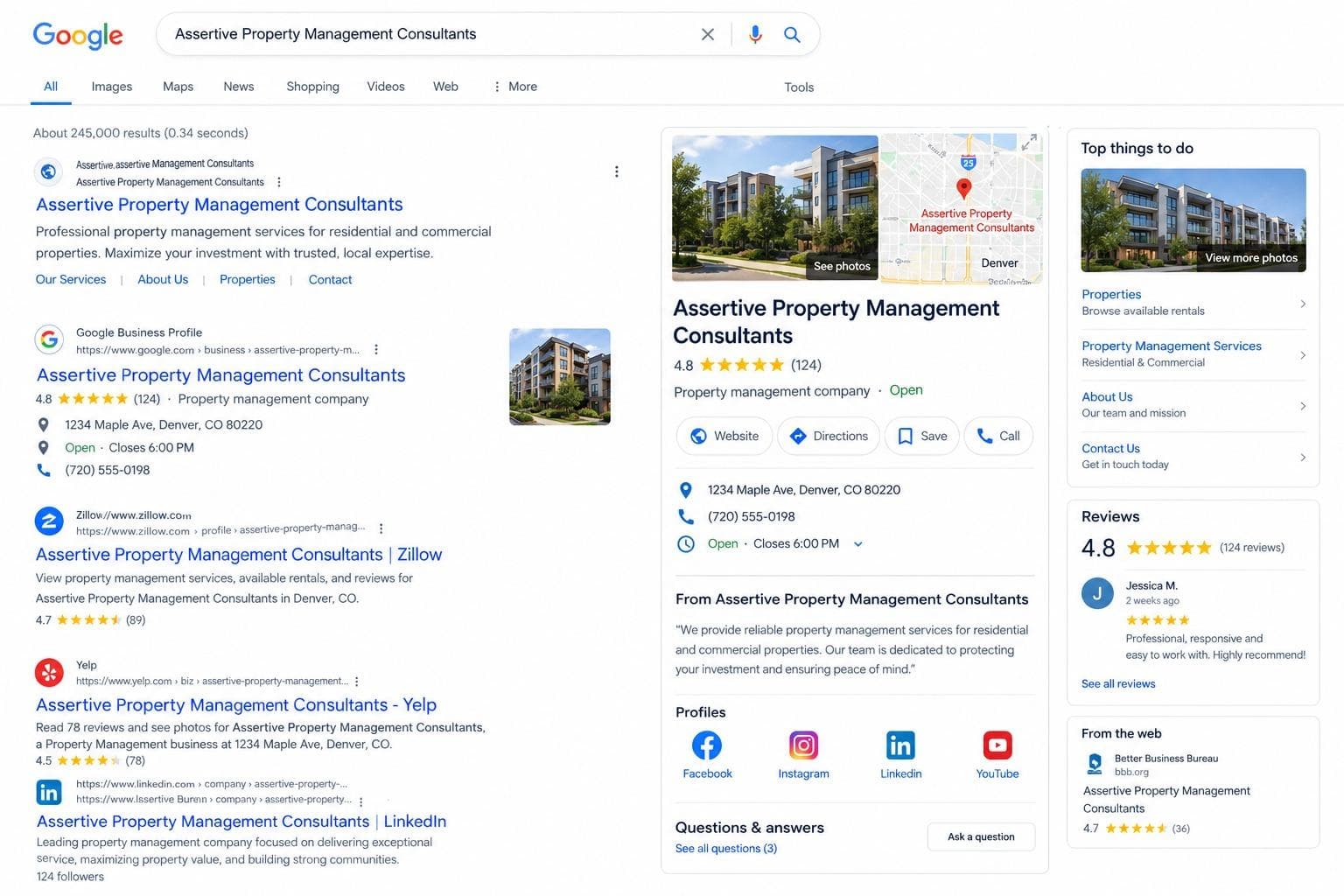
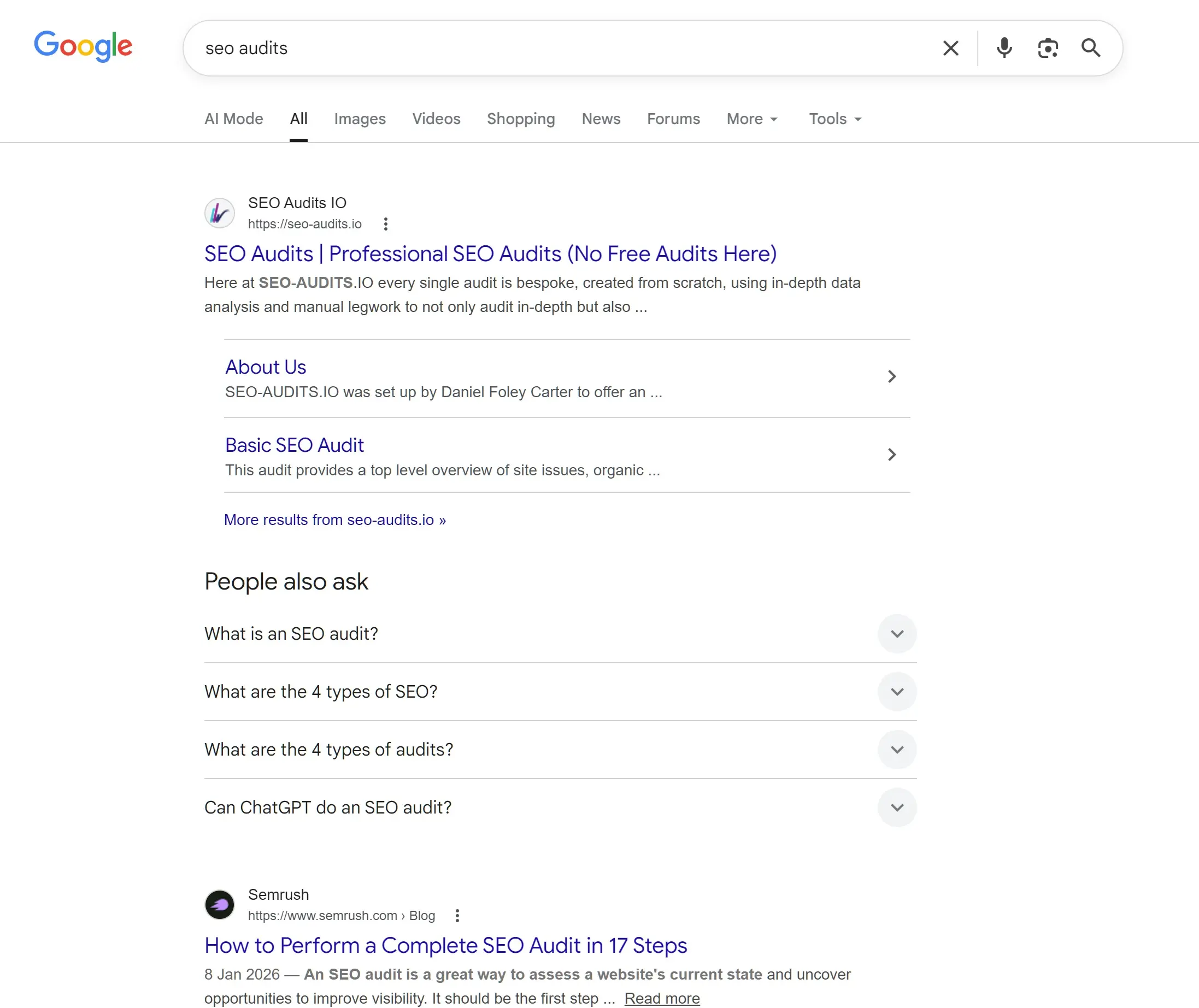
There's no single right answer. There's the right answer for your situation. I’ve done both over the past 26+ years, I started out learning SEO from home, I then became an in-house SEO, I trained, built expertise, I then set up and founded this SEO agency, I also set up and ran a freelance SEO consultancy (which ranks number 1 in google for SEO consultant - danielfoley.co.uk) and I also set up an SEO audits business (again, google SEO audits and you should find my seo-audits.io site first)
Here we are ranking for SEO audits :)
and SEO consultant >
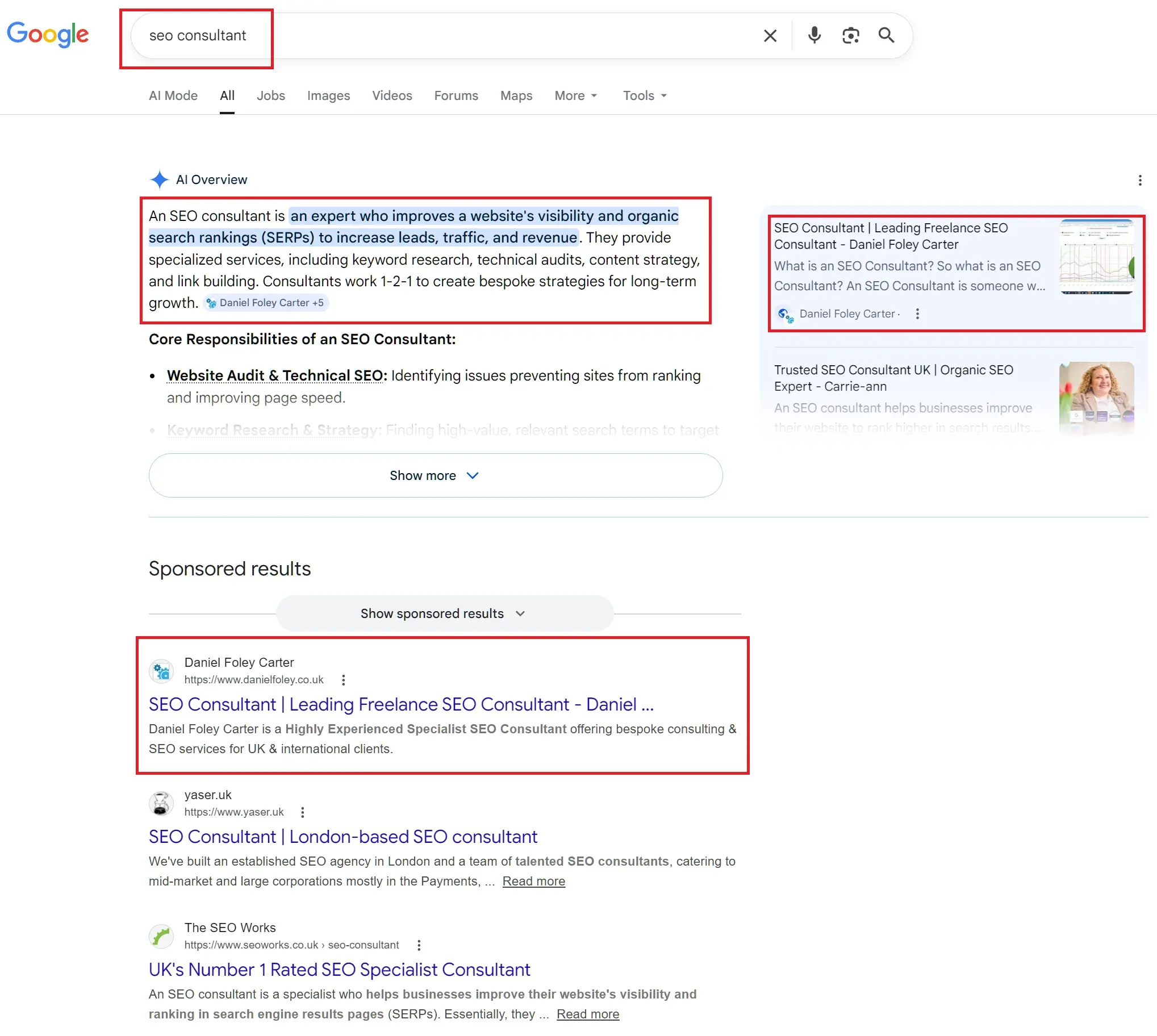
Anyhow, the suitability is really dependent on your businesses situation but as a general rule of thumb:
➡ Freelancer.
GENERALLY cheaper and flexible, but not always, specialist SEO consultants can easily command £800-£1000 a day. With freelance SEOs the risk is breadth, One is wide, and one person is usually strong in some areas and thin in others. Whereas a freelance SEO can give you more dedication or 1 on 1 help with SEO, an agency will be able to provide a wider support pool i.e. content writers, link builders, developers to implement etc. That being said, a lot of SEO consultants generally have contacts who they can get content or links from if needed.
➡ In-house.
Full focus on your brand and quick to act once they're up to speed, the general catch here is cost and gaps. Good SEOs are expensive, and one hire rarely covers technical, content, links and analytics on their own, most in-house teams of one to three end up needing outside help for the parts they can't cover.
➡ Agency.
A team of specialists under one roof, with processes and tools already in place. You pay more than a freelancer and you may share attention with other clients unless you're a senior account. The upside is range and the fact they've already made the mistakes on someone else's site.
➡ DIY with AI.
Tempting and cheap, workable for the basics if you genuinely know what you're doing. Risky if you don't, because AI will give you wrong advice with total confidence (see above).
A common setup that works well: a small in-house team for the day-to-day, with an agency partnering on the parts that need depth, like link acquisition, technical work and recovery.
How to choose one, and the red flags
The good ones aren't hard to spot once you know what to look for.
➡ Ask to see real results tied to traffic, rankings and enquiries, not just screenshots of charts going up.
➡ Make them explain their process in plain English. If you leave the conversation more confused than you went in, that's not your fault.
➡ Check they understand AI search, rendering and indexing, not just keywords and content.
➡ Ask whether they work with your direct competitors. A serious agency won't take two rivals in the same market.
Walk away if you hear any of these:
➡ Guaranteed number one rankings. Nobody controls Google. Guarantees are a sign of either naivety or black-hat tactics.
➡ Results in 30 days. SEO compounds over months. Anyone promising overnight wins is either lying or about to do something that gets you penalised later.
➡ No interest in your data or your goals. If they won't look at your Search Console and analytics before pitching, they're selling a package, not a strategy.
➡ Cheap link packages. The links that move rankings aren't sold on a price list.
We say this as the agency that gets called in to clean up after the cheap option goes wrong. More than three quarters of the bought links we see are worthless, and a fair few are actively harmful.
When you should not hire an SEO agency
Honest answer, because it'll save you money.
➡ If you're pre-revenue or pre-product, your money is better spent elsewhere for now.
➡ If you want results in a month, SEO is the wrong channel. Look at paid search for short-term traffic.
➡ If you're not willing to give access to your data or make changes to your site, no agency can help you. SEO needs both.
➡ If your budget genuinely can't stretch past a few hundred a month, a good freelancer or a solid run at it yourself will serve you better than a cheap agency.
A good agency will tell you when you're not ready. The ones who'll take anyone's money regardless are the ones to avoid.
So, is an SEO agency right for you?
If search matters to your business, your competitors are visible and you're not, and you'd rather have specialists handle it than learn it from scratch whilst running everything else, then yes. The right agency saves you time, brings experience you'd otherwise pay years to build, and keeps you steady through the constant changes to how search works.
The wrong one wastes your budget and your patience, the difference is in the questions above, so ask them.
We're not your typical SEO agency, and we'd rather tell you the truth about whether you need us than sell you something you don't. If your site has lost traffic, been hit with a manual action, or is just drifting in the wrong direction, that's the kind of thing we fix day in, day out. Show us the data and we'll tell you straight.