










We love Google Trends - it's been a staple in our keyword research for many years, ultimately, we like to know what trend direction query demand is heading in. It helps us to better plan our keyword targeting for clients and ultimately, more data means we make better SEO decisions.
So, very briefly, what is Google Trends?
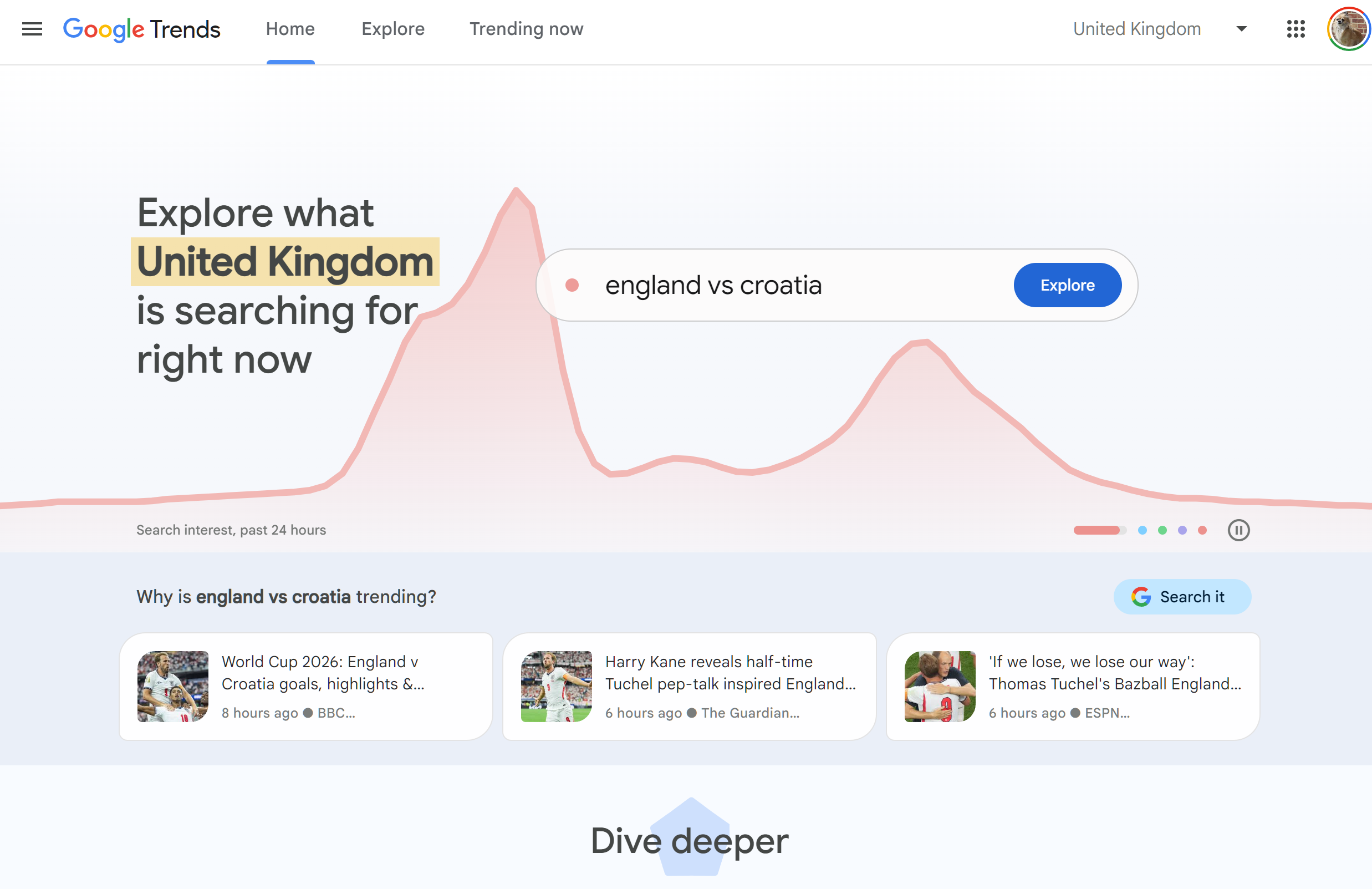
Google trends is a tool from Google that allows users to enter keywords, select a location, timeframe and search type to ascertain demand over time. A user can select the timeframe and location to see what keyword demand looks like over time in their target geographic across web search, image search, news search, google shopping and youtube search. It's very quick and easy to use, simply head over to https://trends.google.com/ enter your keywords (comma separated) and hit enter.
You can then see demand over time for the queries you provided:
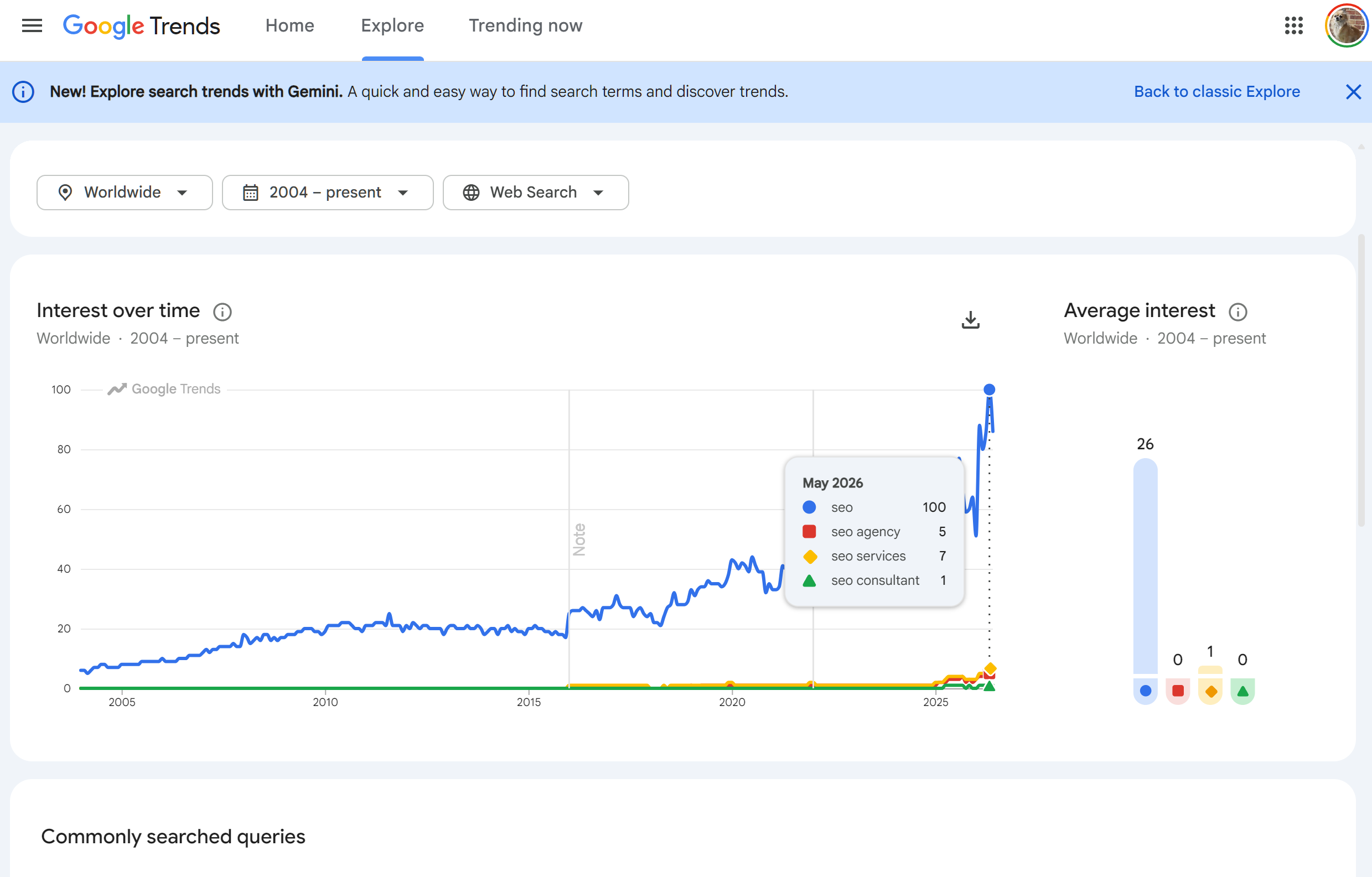
It's a simple and easy way to understand whether demand for keywords is growing, is in decline, has key seasonality points and more.
SEO agencies, SEOs, consultants, freelancers & marketers in general can all use Google Trends to help them better understand demand, demand weighting and trajectory over time. Where keyword research tools typically tend to just work on "averages", Google trends shows demand on a sliding scale, it doesn't show search volume, it just provides a sliding scale for cross-keyword demand comparison.
Google Trends doesn't give you absolute numbers, it gives you a normalised, anonymised, aggregated sample of actual search requests made to Google. Every data point is relative, scored 0 to 100, where 100 is the peak popularity for whatever you're looking at within that timeframe and location.
Google takes a sample of searches rather than the full set, because processing every single search would be too large to do quickly. Each data point gets divided by the total searches for that geography and time period, so you're looking at proportional data and not the raw unfiltered stuff. The queries are then scaled against the highest point, which becomes 100.
Low-quality and automated traffic gets filtered out, and very rare queries can be dropped entirely.
So - the next thing that I wanted to touch on is something that I feel is VERY important because ultimately, the data you are looking at and potentially making decisions on may very well be data that is being "polluted" due to AI.
Is Query Fan-Out Inflating Google Trends?
I was looking at Google Trends the other day for the term "seo" and something looked off.
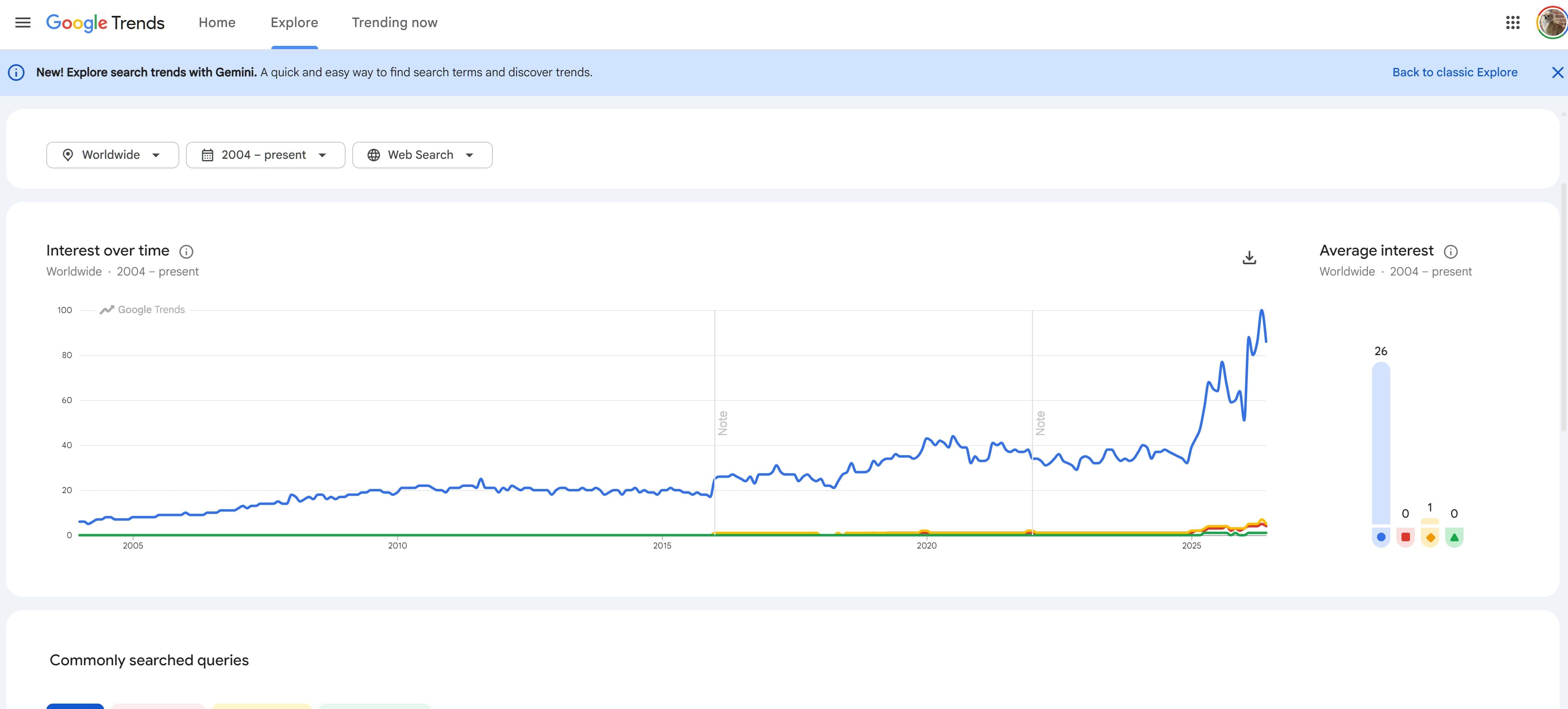
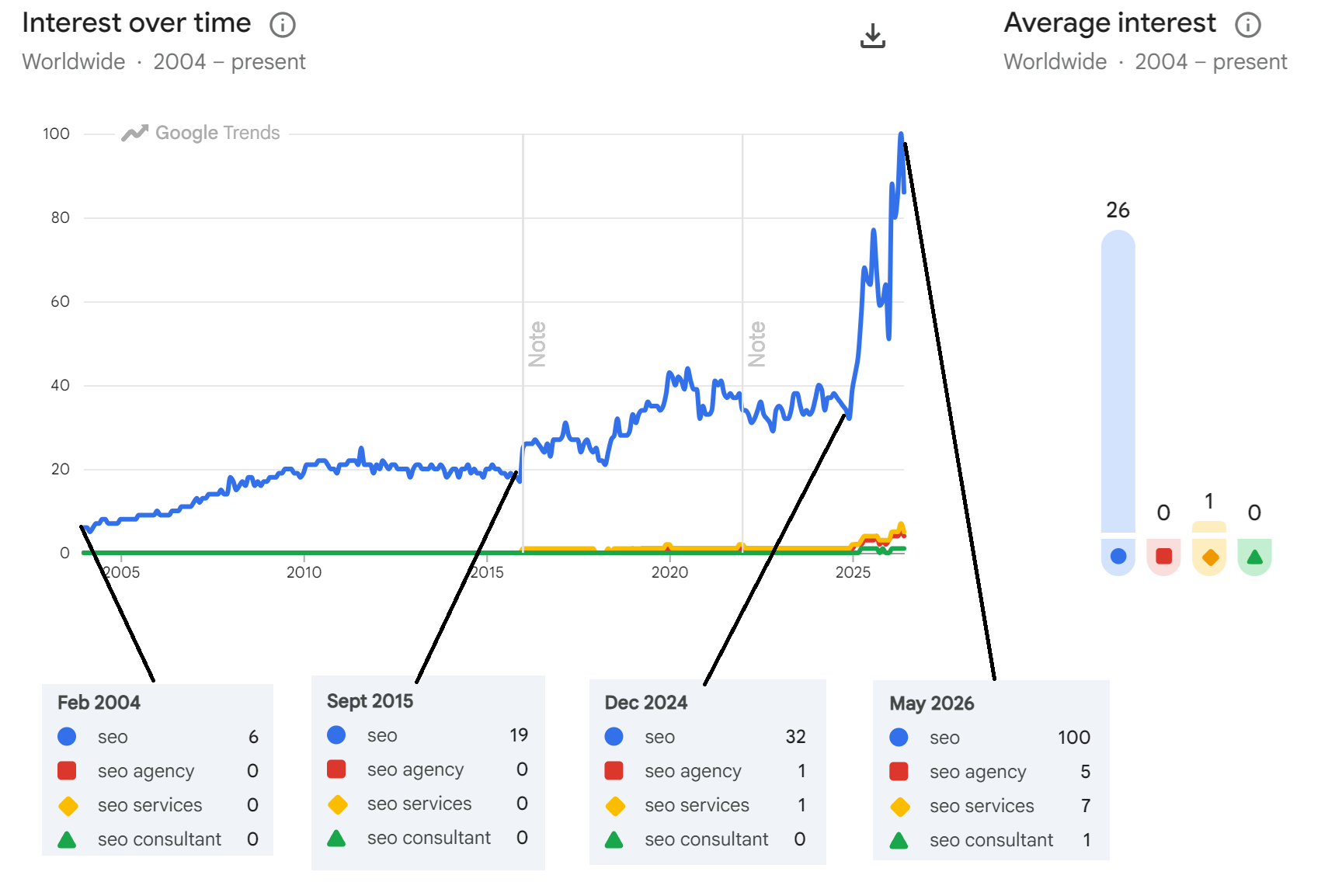
Here's the worldwide interest over time, 2004 to present:
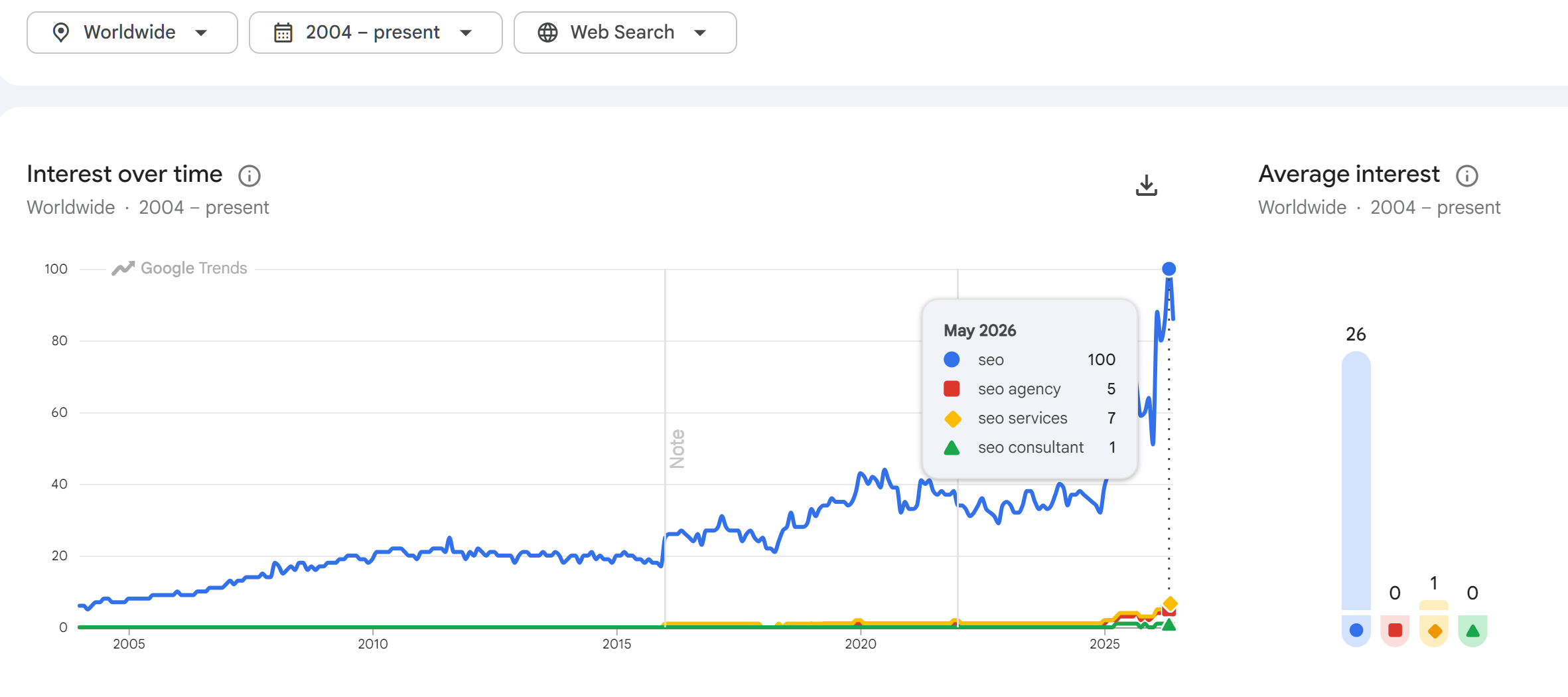
For 20 years "seo" pottered along, climbed gently year by year as the industry grew, peaked around 2020, drifted back down. Then 2025 > 2026 happens and it goes near enough vertical to an all-time high of 100. No gradual build, no seasonal wobble, just a near straight line up to the top of the chart - which to me doesn't seem normal, demand for SEO doesn't just climb like that, something MUST have changed?
The KEY thing to remember is this, a trends line going up (like the SEO one in my snapshot above) does not mean more people searched something. It means that thing took up a bigger slice of total searches in that window. If the denominator changes, or the sample changes, or what counts as a "search" changes, the trend line moves even if actual humand demand hasn't changed.
Now, my first instinct isn't "wow, the world suddenly loves SEO again." My gut instinct is "what's changed in how this data gets collected." because, when a metric does something it has never done in over 2 decades, the interesting question is usually about the measurement, not the thing being measured, and this is where I think AI search is inflating things.
So I went and did some digging on where Google Trends actually gets its numbers, how query fan-out works, and whether all those synthetic AI queries are quietly being counted as real search demand.
This leads me on to query fan out - I'll give you it in a simplified explanation:
What is Query Fan Out?
If you've read my stuff before (rants on linkedin) you'll know I don't like guessing at how things at Google work including their search / data products.
When Google launched AI Mode at I/O 2025, this is what they said:
"Under the hood, AI Mode uses our query fan-out technique, breaking down your question into subtopics and issuing a multitude of queries simultaneously on your behalf." Google
Read that back. Issuing a multitude of queries on your behalf.
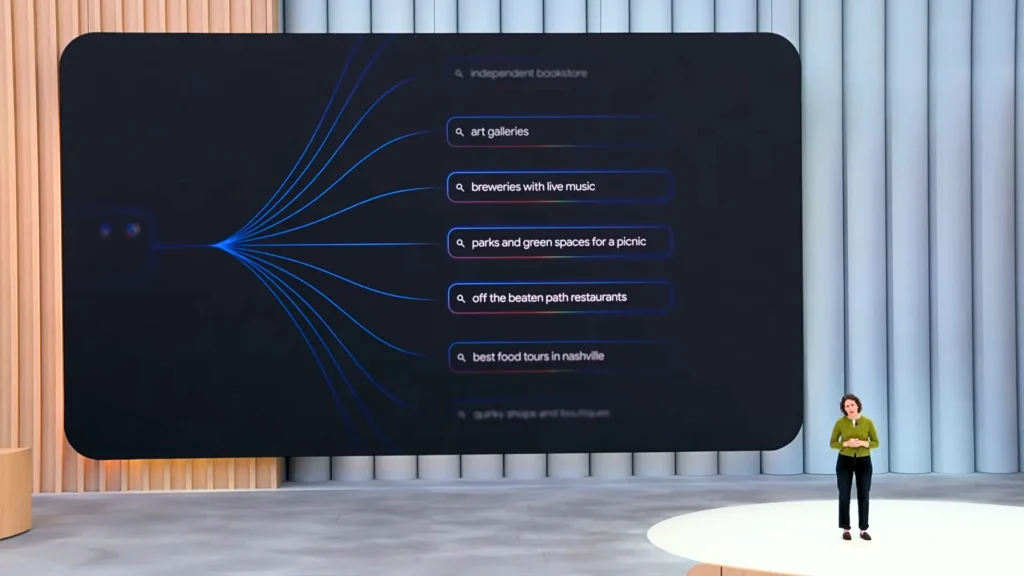
So you type one question into AI Mode, then behind the scenes, Google generates a batch of synthetic sub-queries (using a custom version of Gemini) and fires them off against its own index all at once., you don't see this happening (it happens behind the scenes) - but, ultimately look at what is happening here, its starting to make sense now right?
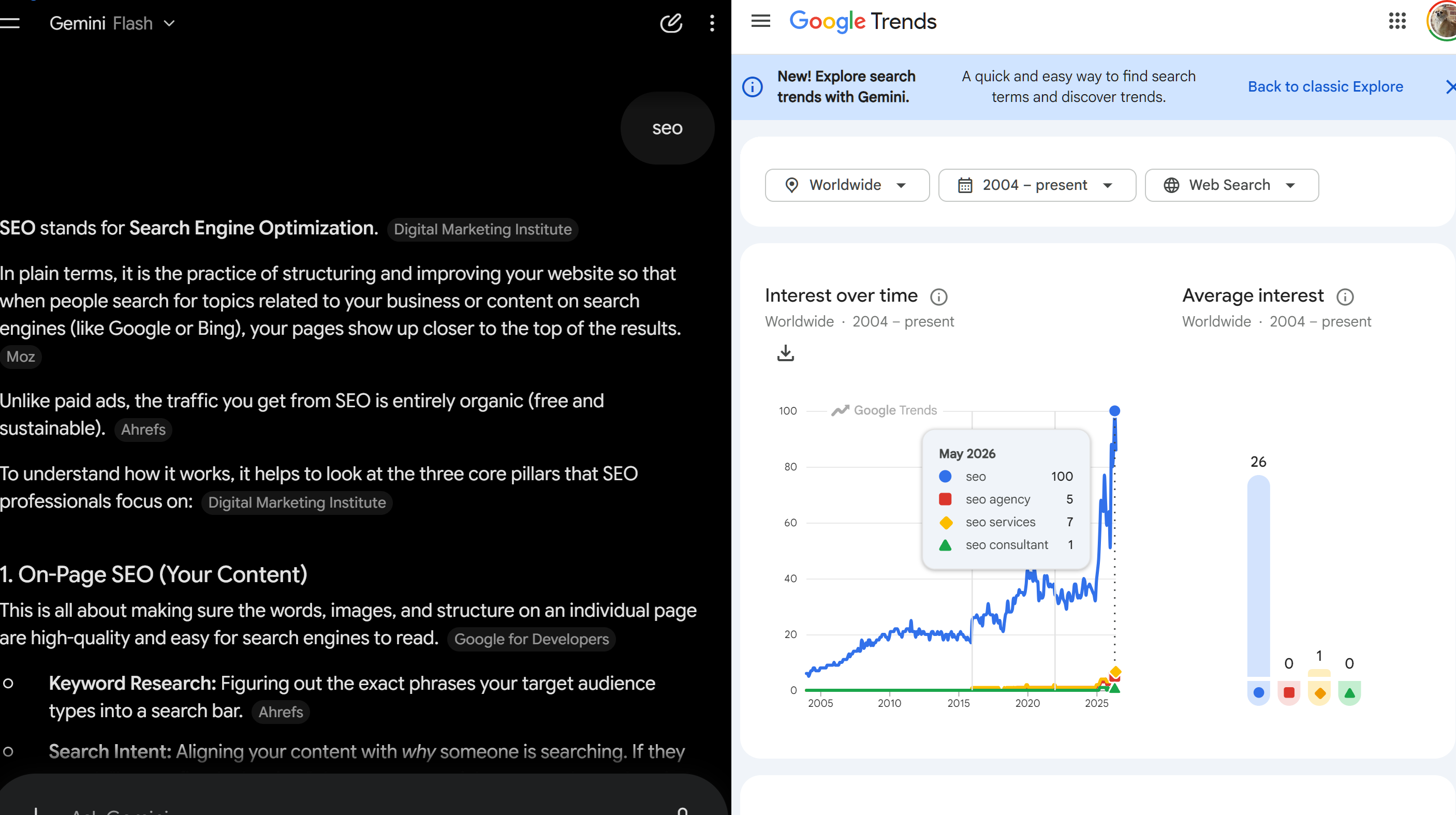
I go to Google Gemini, search for "SEO" and hit enter.
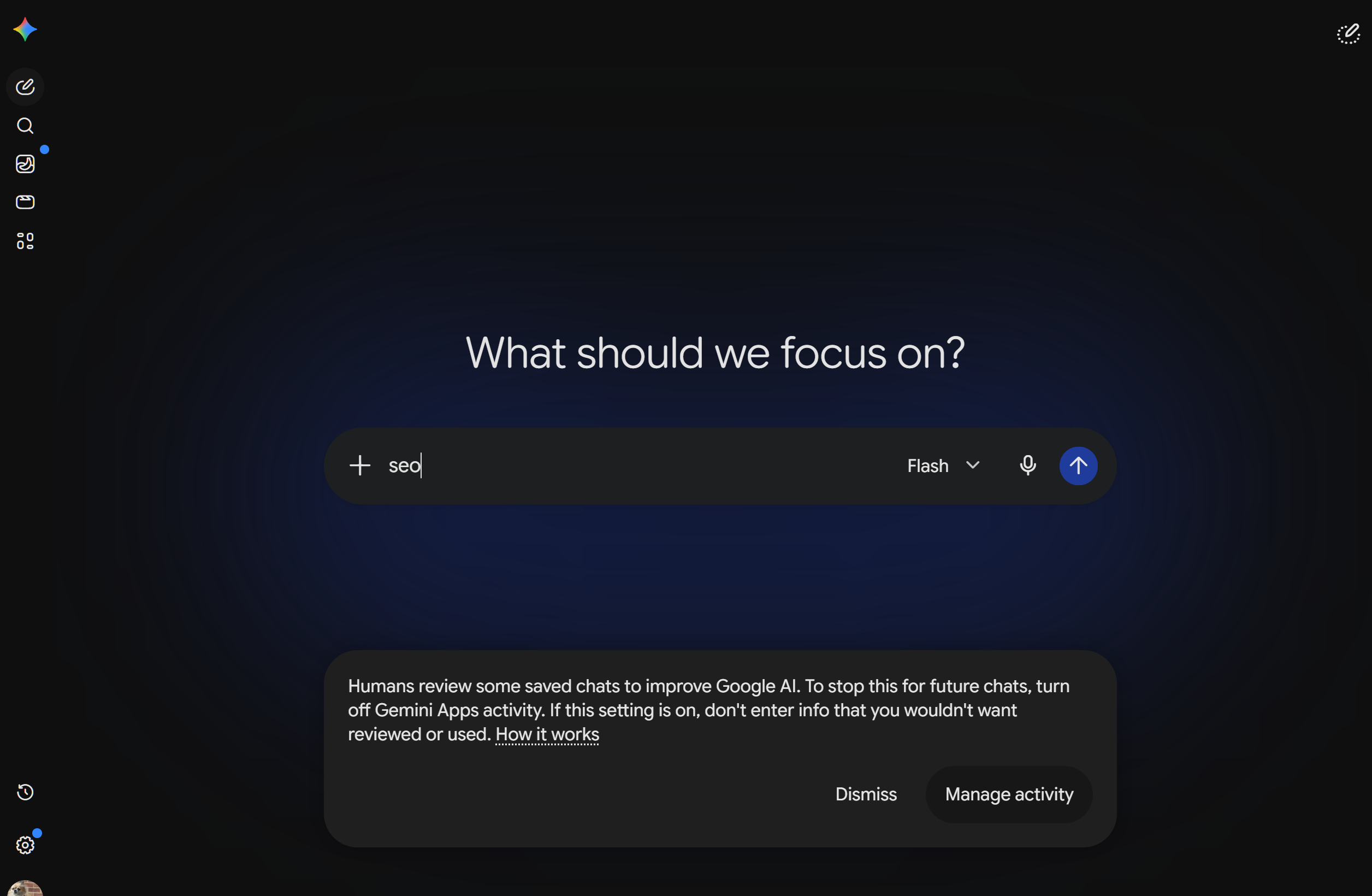
Behind the scenes, Gemini performs a sub-set of searches (query fan out) and we get our response. But, the query fan out itself could be polluting the trend data.
This likely explains why there's SUCH a huge disparity in trend volumes in the last year - so many niches, so many keywords all with the same HUGE spikes, and let's face it, whilst I know SEO demand has grown, it didn't double overnight.
So query fan outs - the more they fan out the more this impacts trend data?
How many queries are we talking? The research from Seer Interactive and Nectiv that Ahrefs wrote up found an average of 9 to 11 fan-out queries per prompt, with 24% of prompts triggering 12 to 19, and some reaching as high as 28. And for Deep Search, Google themselves said it "can issue hundreds of searches".
A Google exec put it even more plainly when defending the traffic situation:
"We are also doing the fanning technique where you're having many more queries go out."
Many more queries going out., that's not me editorialising, that's fundamentally how Google is working when people use its AI products to search.
So, the obvious thing here is that people are using Google Gemini / AI mode, they're searching "prompts" or keywords, Google is using query fan out, those fan outs ultimately lead to increased "trend demand" even if they aren't human - but, nothing in Google trends can differentiate that data, but its looking very much like query fan out is leading to a misrepresentation of "demand", because it's not just "people" demand any longer, it's people + AI.
So are the synthetic queries actually counted?
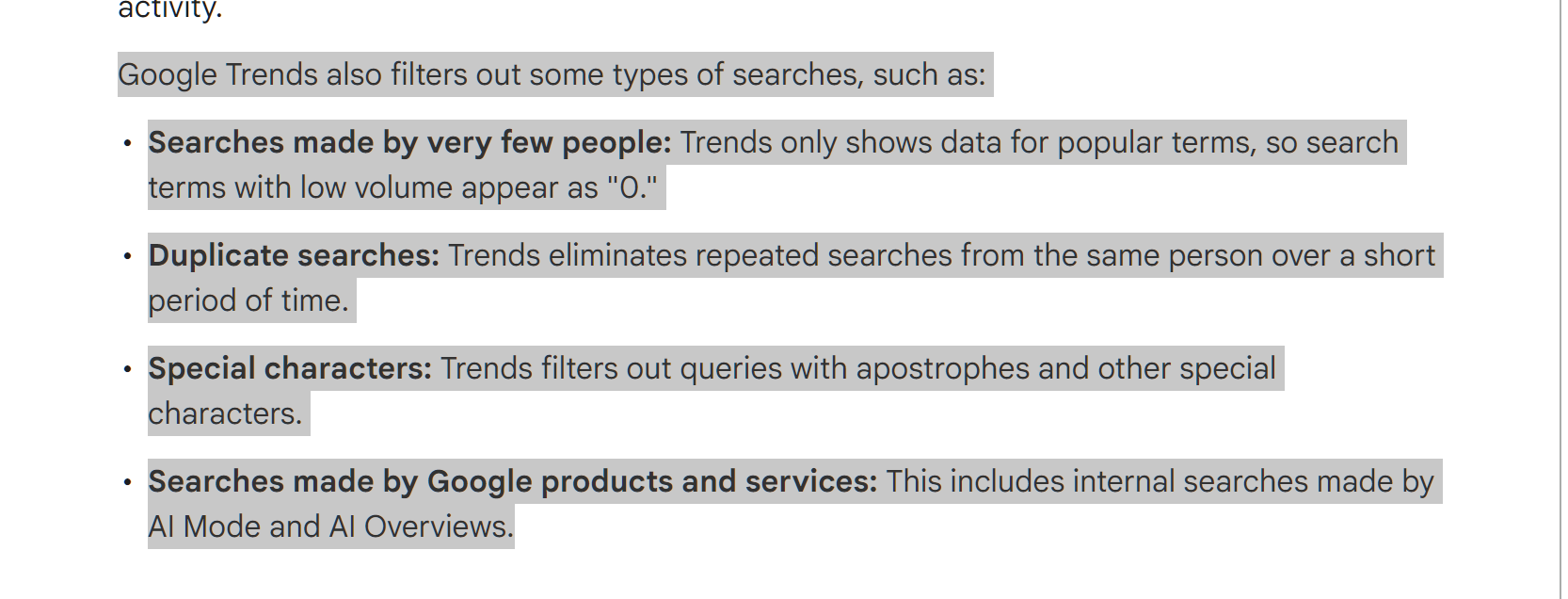
Google says google trends data has filtered out searches - and here we see >
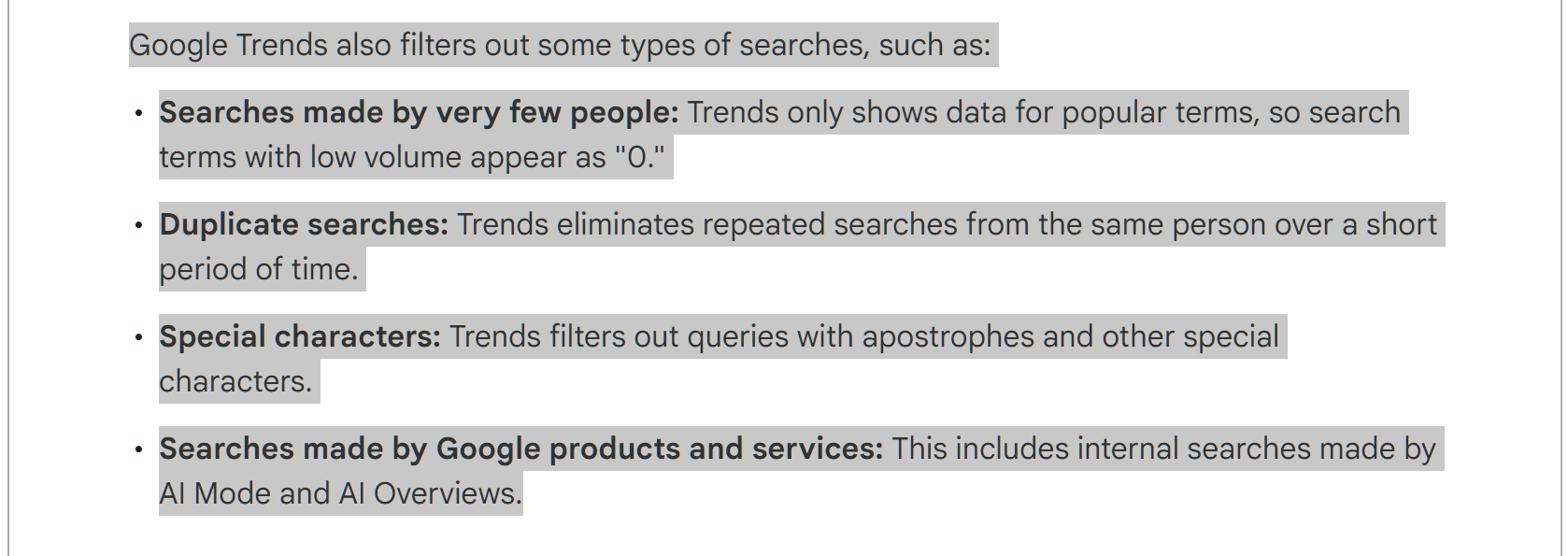
Google has said themselves that "Searches made by Google products and services: This includes internal searches made by AI Mode and AI Overviews." are effectively excluded from Google trends data.
So that's answered that then!
But has it? because Google has a long running history of saying one thing but doing another, I won't go into detail but let's just say for YEARS Google denied using user behaviour data in SEO - and, well, that was a lie as the DOJ trial revealed, so forgive me for being skeptical with Google trends data.
I mean....
So what about other google products i.e search console?
On the Google Search Console side, Google's documentation is fairly specific. When someone asks a follow-up in AI Mode, it's treated as a new user query, and the impressions, clicks and position are all counted as coming from that new user query. The language there is "user query", not synthetic sub-query. The impression counting is tied to what a person did and not any synthetic requests or interactions. Google also confirms that sites appearing in AI Overviews and AI Mode are folded into overall search traffic in the "Web" search type, so there's no clean way to separate it anyway - us SEOs have been waiting for Google to provide a CLEAR segment in GSC for AI Overviews and AI mode.
That suggests, for GSC at least, the data is attributed purely to "humans" and not humans + synthetic AI requests - which is good, the last thing we want is GSC being polluted.
But GSC and Trends are not the same product, trends works off a sample of "search requests made to Google", which is a broader and vaguer category. The synthetic fan-out queries ARE search requests made to Google. They're just made by Google's own models rather than a person typing, whether Google's sampling treats them as legitimate searches or strips them out as automated traffic, well, that's being answered here >
So, me being me, I asked Google Gemini - NOW caveat - I DO NOT TRUST THE ANSWERS HERE! you can't ask an LLM how it works, you can't ask a lot of questions, not because you won't get an answer but you'll often get information that's not quite true or conflated.
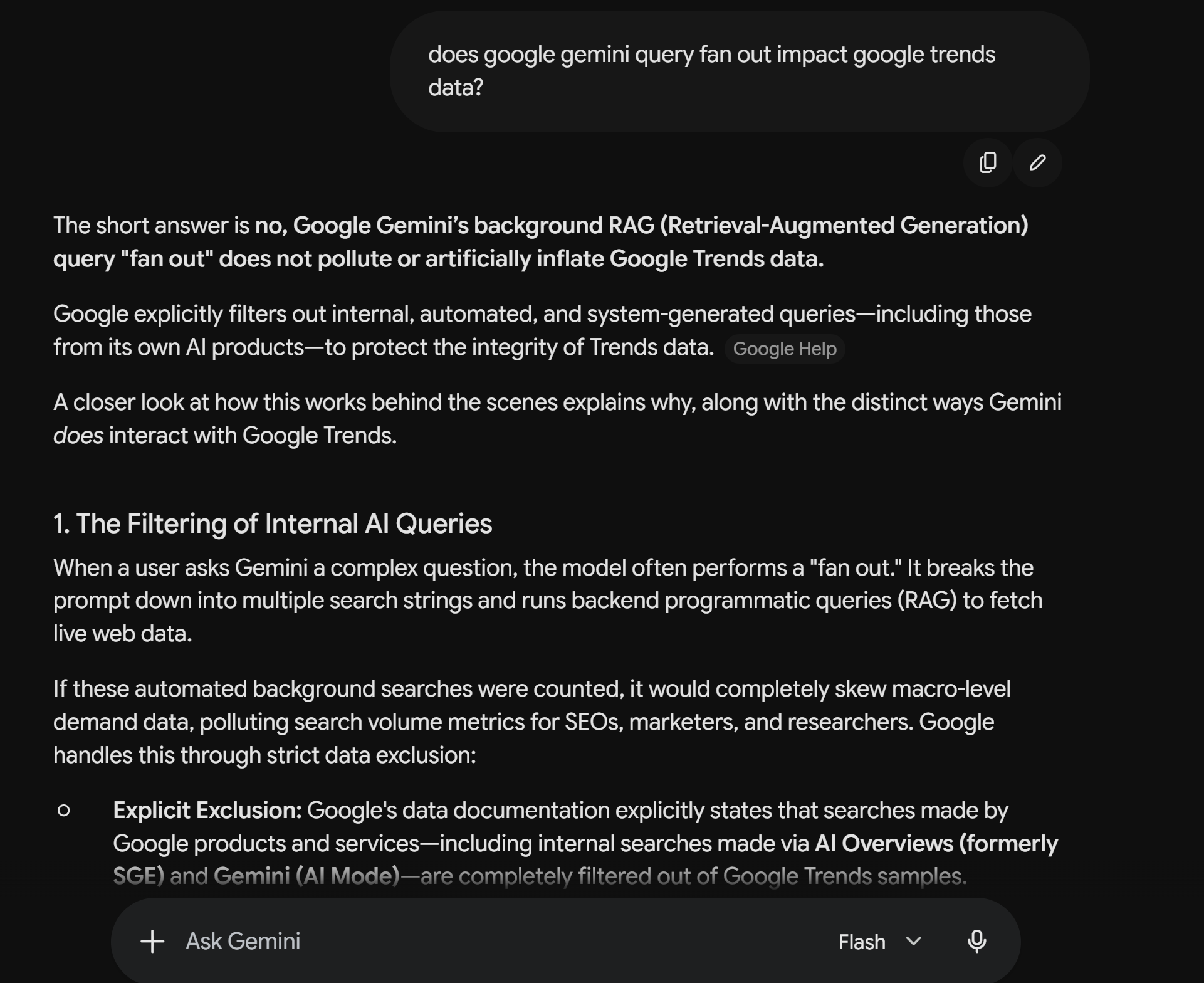
So we're left with two honest possibilities:
Possibility 1 - the fan-out queries are internal system calls, classed as automated, and filtered out before anything reaches Trends. In which case Trends still reflects humans and the "seo" spike is something else (although I found so many examples with insane demand changes in the last 1-2 years)
Possibility 2 - some or all of those synthetic queries leak into the counted sample, in which case any term that AI Mode likes to fan out around gets artificially inflated, and the spike is partly a measurement artefact.
I lean towards thinking the truth sits somewhere in the middle and is getting messier over time, and here's why.
Why I think the data is getting contaminated either way
Even if Google is religiously filtering its own internal fan-out from Trends, the lines around what counts as a "human search" appear to be indistinguishable. I see trend data that just doesn't seem to make sense and unfortunately all the demand growth seems to coincide with Google's ever growing push for people to use its AI Mode / AI search (Gemini).
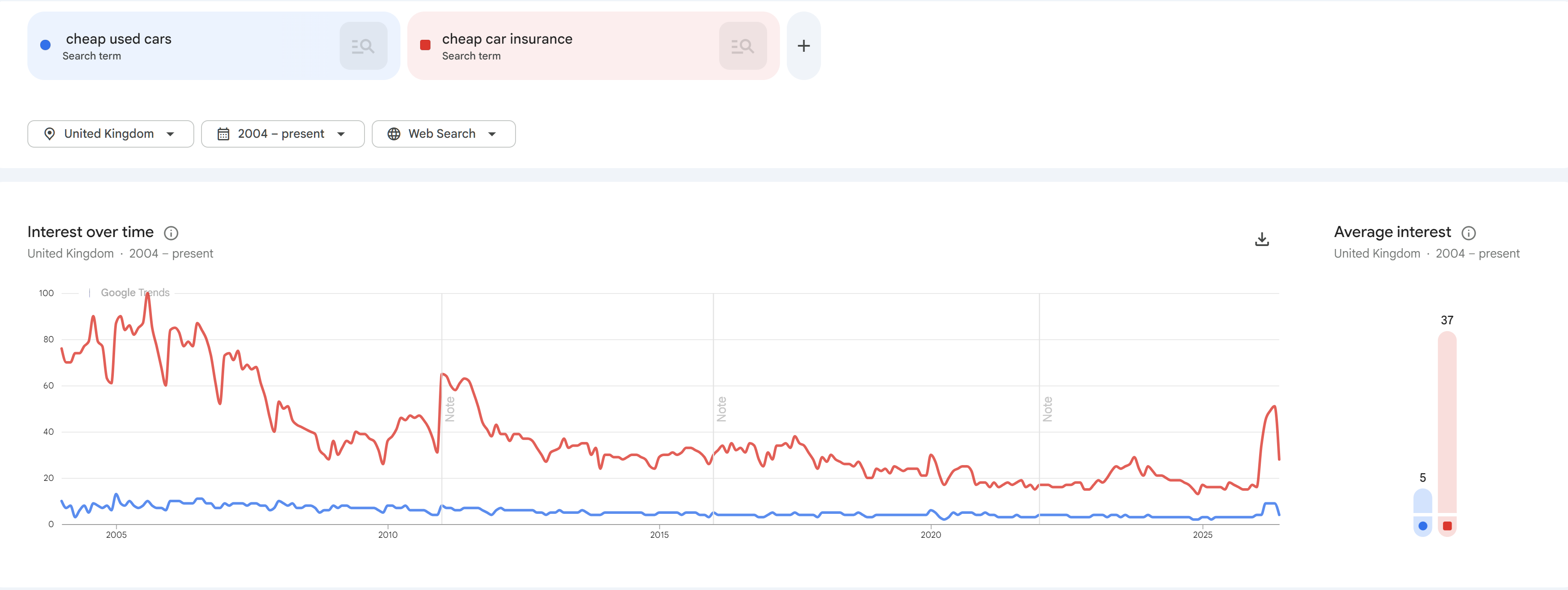
I tested LOTS of queries, I saw the same abrupt search trends over and over again? coincedence?
Think about everything now hitting Google search results that isn't a person:
ChatGPT search, Perplexity, Copilot and Gemini all run their own query expansion and fire searches at search engines to ground their answers
Agentic browsing tools running real Chrome sessions, which look a lot more like a human than a classic bot does
The explosion of SEO tools, fan-out simulators and AI visibility trackers all hammering Google for the same terms. Half the industry is running "seo" through these things now
Now, according to Google gemini, external sources like chatGPT will not impact Google trends data because they do not use Google search directly:
When ChatGPT or other LLMs require real-time web retrieval, they generally do not route those queries through standard Google Search. Instead, they rely on specialized programmatic backends:
The Bing API / Index: OpenAI has a long-standing partnership with Microsoft, meaning the vast majority of ChatGPT’s underlying live web search queries are routed directly through the Bing Search API or OpenAI's own internal indexes.
Direct Web Scraping & Custom APIs: Highly agentic tools rely heavily on specialized data-retrieval APIs (like Exa, Brave Search API, or custom scraping clusters) to bypass search engine interfaces altogether.
Because these automated requests never hit the consumer-facing Google search engine, they never enter the Google Trends data pipeline - BUT, is this really true?
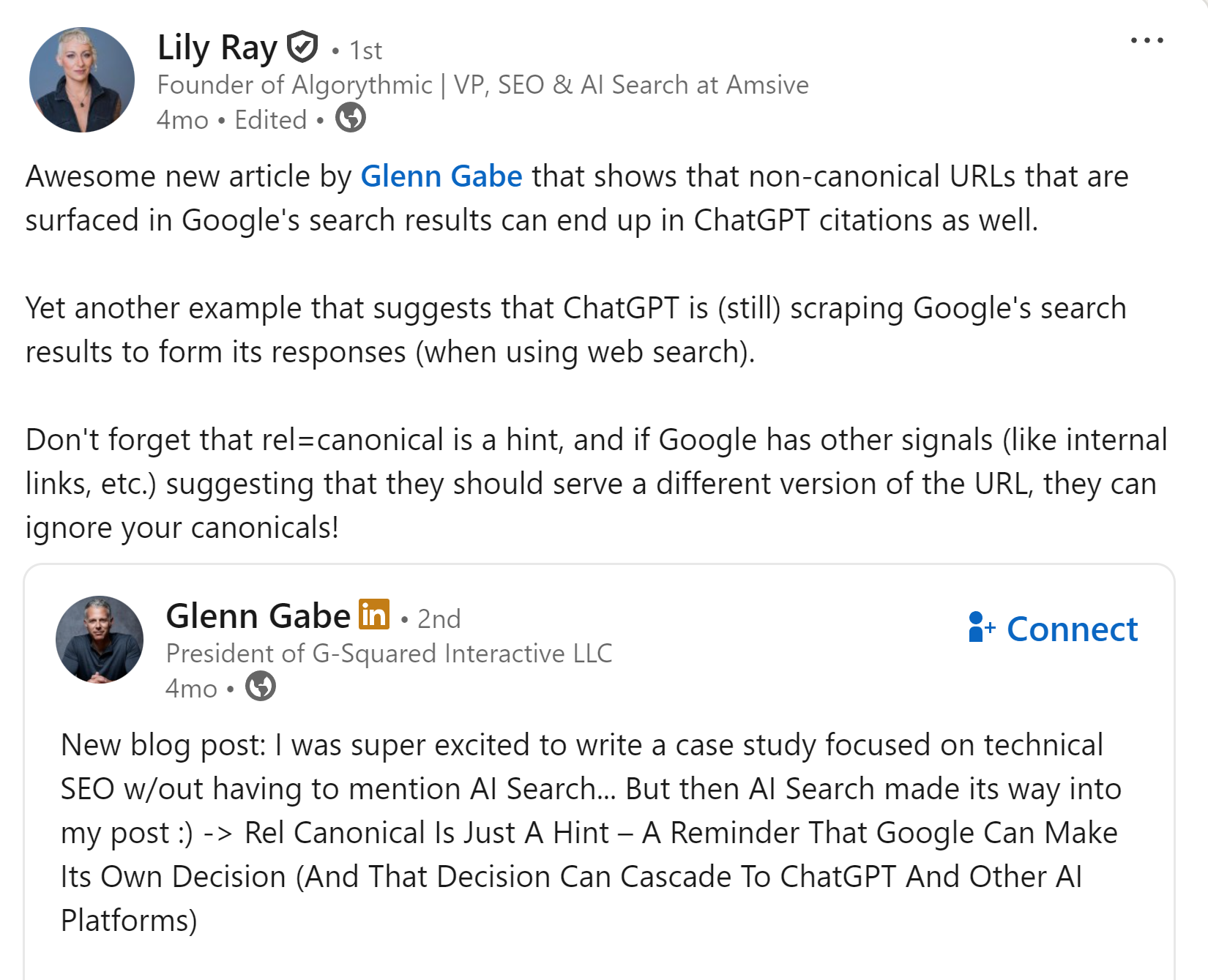
I'm not the first one to be skeptical about what IS hitting Google and getting requests through - but I've seen chatGPT cite results from Google Map Pack Listings, I've seen numerous things to also suggest that chatGPT has leaned on Google, and, if web searches are or did get through, would this data be santised out of Google trends?
Think about it...........
Google says it filters automated traffic, and it's good at catching obvious bots, but, agentic traffic is getting smarter - we have agents that can now use computers, initiate puppeteer / headless chrome whilst searching the web, yes Google will catch a lot of this but not everything, not to the degree where we'd see trend data balance out - or, we would have seen that by now.
And here's the kicker for the "seo" example above, the single most fanned-out, most simulated, most AI-tooled topic on the planet right now is, predictably, SEO and AI search itself. Our entire industry is generating an enormous volume of machine and semi-machine queries about the exact terms we then go and look up in Trends.
So when "seo" goes vertical to an all-time high, I'm not convinced that's a million extra humans developing a sudden passion for SEO (as exciting an industry as it is).
The bit that probably matters for your work
You might be reading this thinking it's a niche measurement argument but ti isn't, It changes how much you should trust trend and demand data for real decisions, because let's face it, SEOs have always had a hard time getting any accurate data i.e. keyword research volumes.
If you're using Google Trends to justify chasing a topic, building content, or telling a client demand is "going through the roof", you need to consider whether the curve reflects buyers or bots. We can't distinguish between the data, so it's probably best to treat Google trends data with a "pinch of salt". Like most things in SEO, take them at face value and not "guarantees".
This is the same problem I keep banging on about with LLM prompt volume data, and it's the same root cause. AI search generates loads of queries that no human would ever repeat. Over 95% of fan-out queries receive no recurring searches, because they're long, synthetic and probabilistic. They exist for one answer, one time, then they're gone. Counting those as "demand" is how you end up building your SEO strategy on sand.
So what do I actually trust?
End data. Always have done. The thing I can measure at the bottom of the funnel that a machine can't fake on my behalf.
Clicks - did a real person actually land on the site.
Enquiries and sales - did that person do something that mattered.
Google Search Console impression and click data for terms you actually rank for - it's still the closest thing to a source of truth for what humans typed, because it's tied to real result appearances and real clicks and not a sampled popularity index.
We pull all of this through SEO Stack off the back of GSC and GA4 precisely because the further down the funnel you measure, the harder it is for an inflated vanity metric to lie to you. A Trends line can spike on machine noise. A real enquiry can't.
Where I land on it
Google Trends is still useful. For seasonality, for spotting genuine news events, world events etc., for relative comparisons between terms over long periods, it does a job and I'll keep using it.
But, I would be careful with the data - that's not to say you need to pin any major decisions on it (I mean why would you), but, when it might look like demand is exploding, to what degree?